Understanding the Calibration Process: A Step-by-Step Guide


Introduction to Calibration
Calibration is a crucial process that ensures the accuracy and reliability of measurement instruments. Whether you’re working with sophisticated laboratory equipment or everyday devices, understanding the calibration process is essential for maintaining precision. This guide will walk you through the fundamental steps involved in calibration.
What is Calibration?
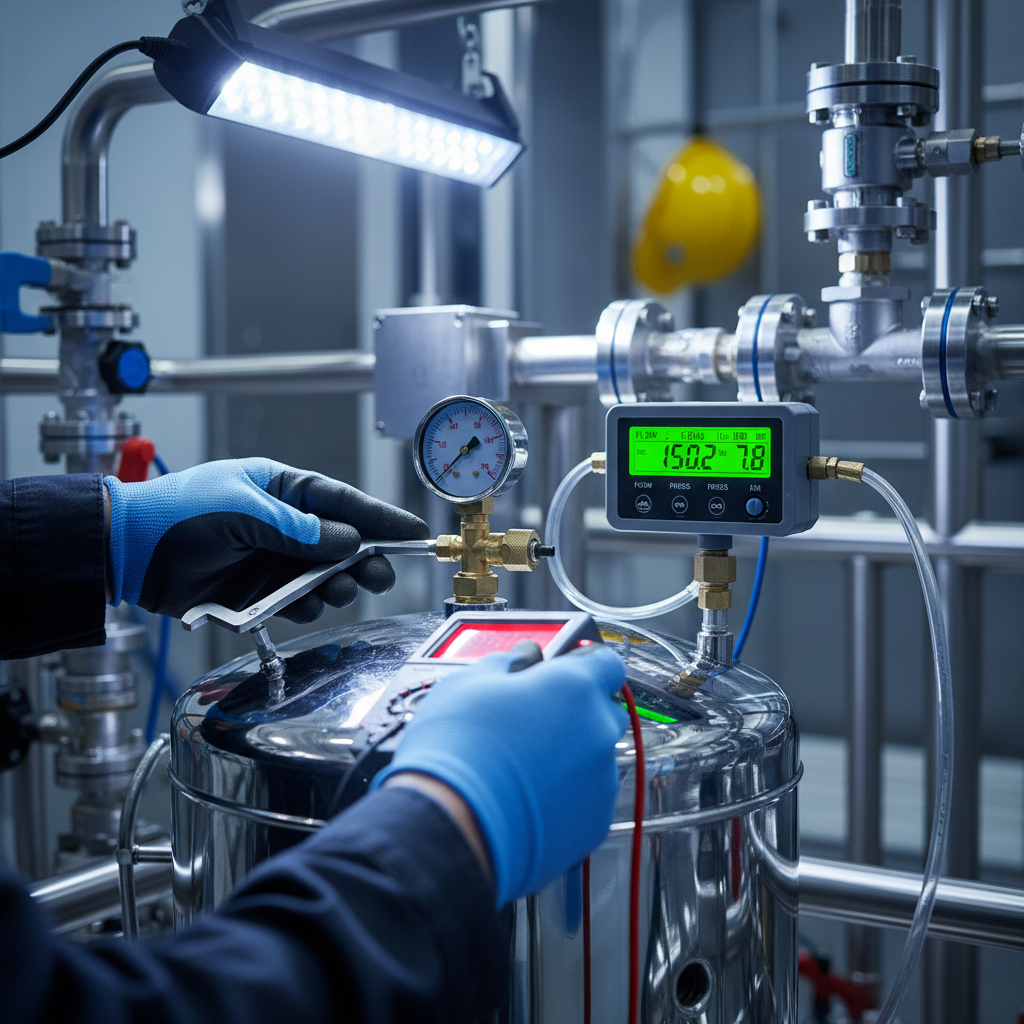
At its core, calibration involves comparing the measurements of an instrument to a standard of known accuracy. This process helps identify any discrepancies and allows for adjustments to be made, ensuring the instrument provides accurate results. Regular calibration is vital in industries where precision is critical, such as healthcare, manufacturing, and aerospace.
Why is Calibration Important?
Calibration is important because it maintains the integrity of measurements and reduces errors. Accurate instruments lead to reliable data, which is crucial for making informed decisions. Moreover, regular calibration can extend the lifespan of equipment, ensuring consistent performance over time.
The Calibration Process Explained
The calibration process can be broken down into several key steps. Understanding each step will help you appreciate the importance of maintaining properly calibrated instruments.
Step 1: Identifying the Instruments
The first step is to identify which instruments require calibration. This involves reviewing equipment specifications to determine the necessary calibration frequency and standards.
Step 2: Selecting Calibration Standards
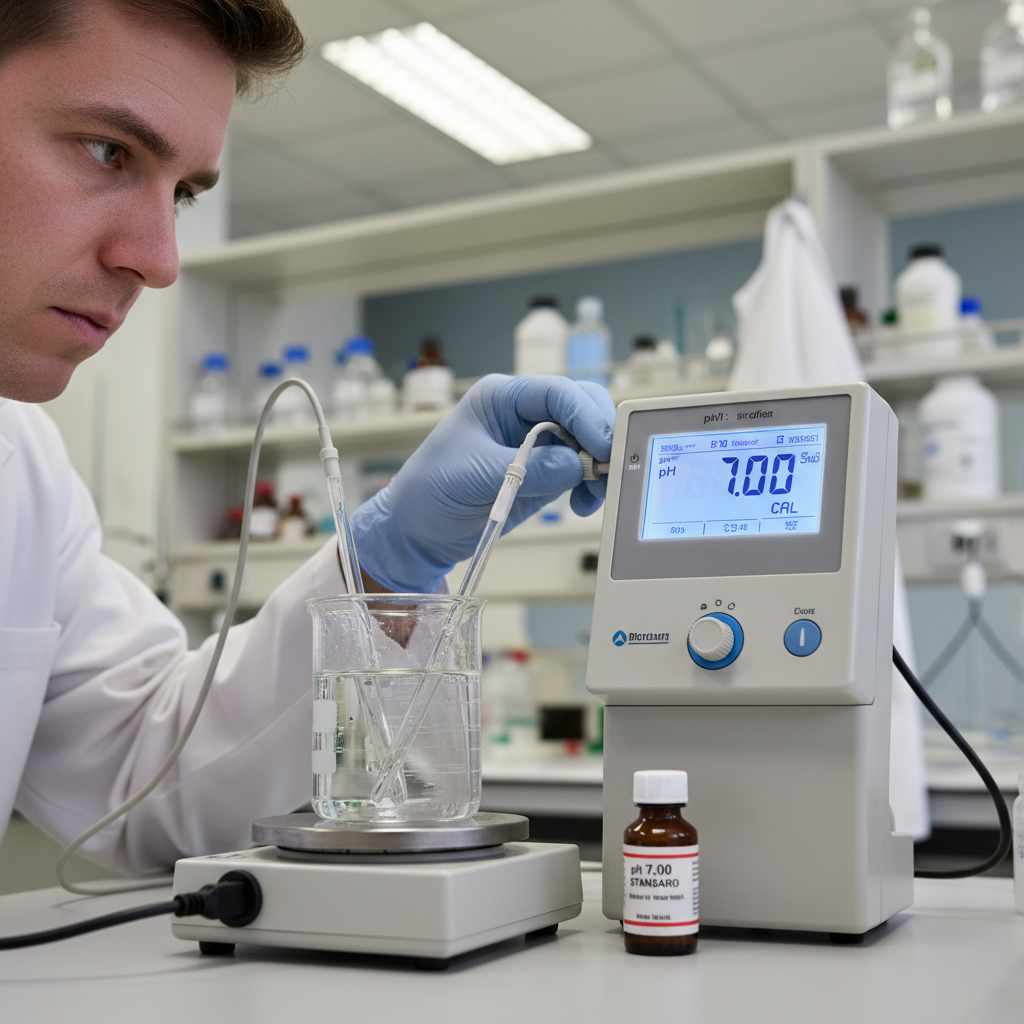
Selecting the appropriate calibration standards is crucial. These standards must be traceable to national or international standards to ensure validity. Using certified standards guarantees that the calibration results are accurate and reliable.
Step 3: Performing the Calibration
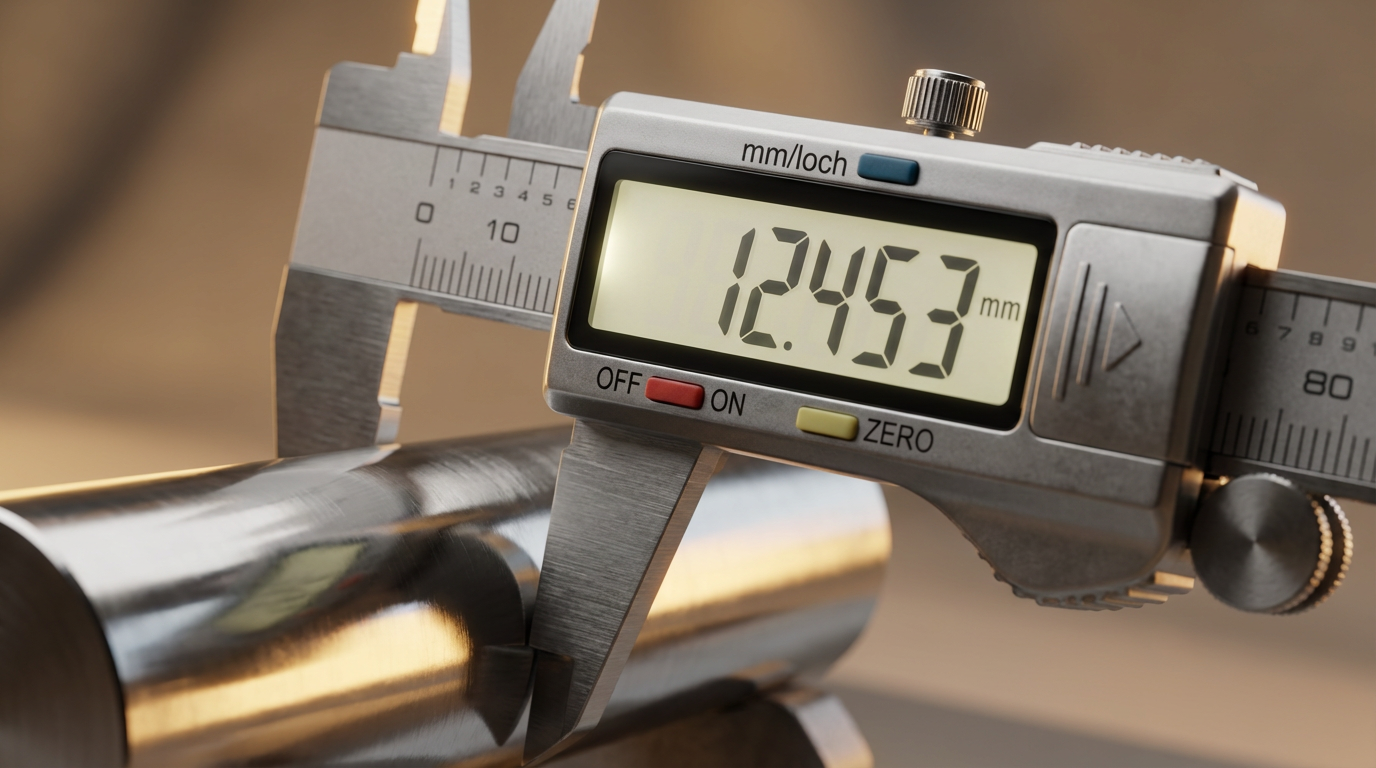
During this step, the instrument is compared against the calibration standard. Any deviations are recorded, and adjustments are made to align the instrument with the standard. This process may involve software adjustments or manual tweaks, depending on the device.
Post-Calibration Procedures
After calibration, it’s essential to document the results. This includes recording any adjustments made and certifying that the instrument meets the required standards. Proper documentation ensures traceability and compliance with industry regulations.
Regular Calibration Scheduling
Establishing a regular calibration schedule is key to maintaining accuracy. Depending on usage and environmental factors, calibration frequency may vary. It’s important to adhere to this schedule to prevent drift in measurements over time.
Conclusion
Understanding the calibration process is integral to ensuring that measurement instruments provide accurate and reliable data. By following this step-by-step guide, you can ensure that your equipment remains in top condition, supporting precision and efficiency in your operations. Regular calibration not only enhances performance but also contributes to overall quality control.