Understanding Spare Parts Needs for Laboratory Equipment in Singapore


Introduction
Understanding the spare parts needs for laboratory equipment in Singapore is crucial for maintaining efficiency and avoiding downtime. Laboratories rely heavily on precise and well-functioning equipment, and the availability of spare parts plays a vital role in ensuring this. In this blog, we will explore the factors influencing spare parts needs and how to effectively manage them.
The Importance of Spare Parts
Spare parts are essential for the uninterrupted operation of laboratory equipment. They help in maintaining the accuracy and reliability of experiments and processes. Without adequate spare parts, even a minor malfunction can lead to significant delays and financial losses. Therefore, having a well-planned spare parts inventory is crucial.
Identifying Critical Spare Parts
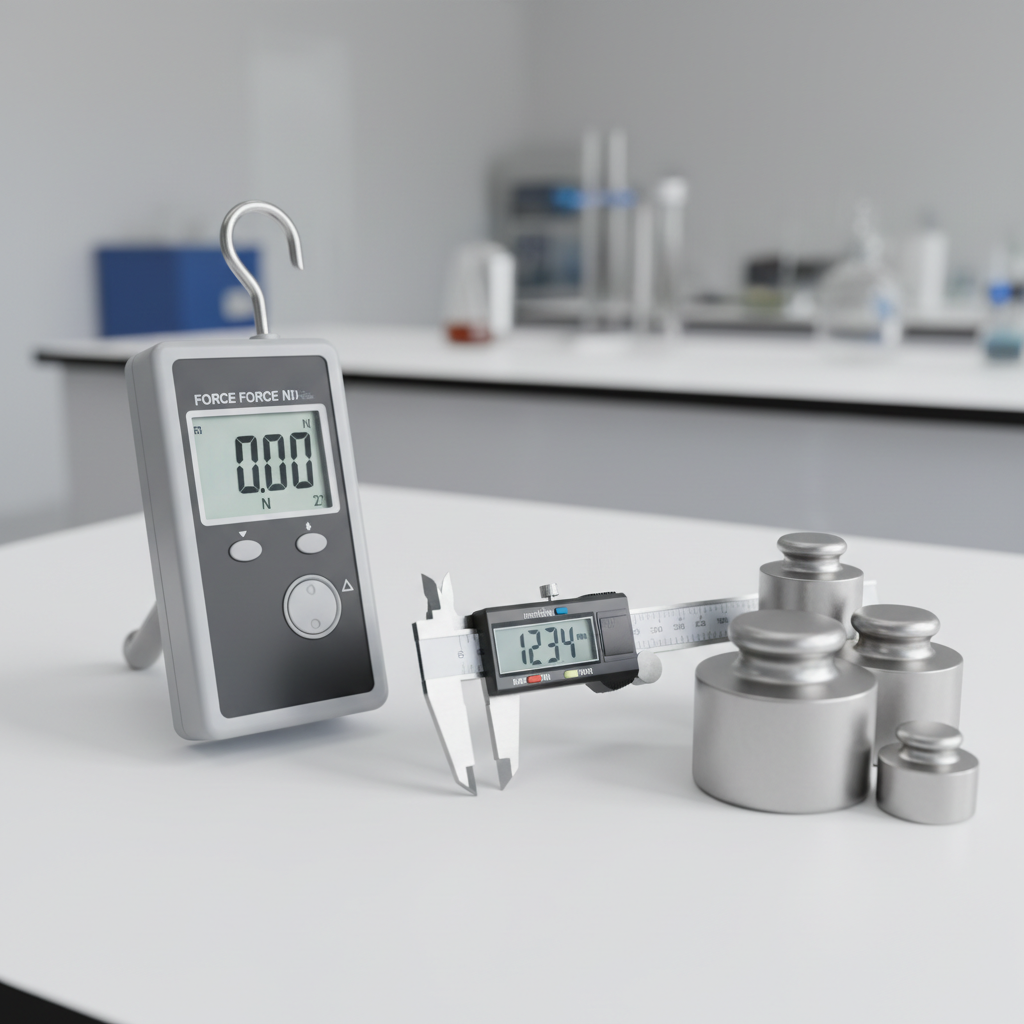
Not all spare parts have the same level of importance. Identifying critical spare parts is the first step in effective inventory management. These are the parts that, if failed, could halt operations or compromise safety. Common critical parts include sensors, filters, and electronic components.
To identify these parts, laboratories should assess the equipment's failure history, consult with manufacturers, and consider the operation's unique demands. This ensures that the most crucial components are always on hand.
Factors Affecting Spare Parts Needs
Several factors influence the spare parts needs for laboratory equipment in Singapore. These include:
- Equipment Age: Older equipment may require more frequent part replacements.
- Usage Frequency: High-usage equipment tends to wear out faster.
- Environmental Conditions: Humidity, temperature, and other factors can affect equipment lifespan.

Managing Spare Parts Inventory
Effective inventory management involves maintaining the right balance between too many and too few parts. Overstocking can lead to increased storage costs, while understocking can result in costly downtime. Implementing a computerized inventory management system can help track part usage and predict future needs, optimizing inventory levels.
Regular audits and reviews of the inventory can also ensure that the stock remains relevant and up-to-date, reducing the risk of obsolete parts taking up valuable space.
Partnering with Reliable Suppliers
Working with reliable suppliers is crucial for timely access to spare parts. Establishing strong relationships with suppliers ensures that the laboratory receives genuine parts promptly, minimizing potential disruptions. It's wise to choose suppliers with a proven track record in the industry.

Training and Expertise
Equipping staff with the necessary training to identify and replace spare parts efficiently can significantly reduce downtime. Training programs should focus on troubleshooting, part replacement procedures, and understanding the equipment's technical manuals.
Additionally, having a dedicated team or individual responsible for spare parts management can enhance the overall efficiency of the laboratory's operations.
Conclusion
Understanding and managing spare parts needs for laboratory equipment is vital for any laboratory's success in Singapore. By identifying critical parts, managing inventory effectively, partnering with reliable suppliers, and ensuring staff expertise, laboratories can maintain high operational standards and reduce the risk of costly interruptions.
By following these guidelines, laboratories can ensure that they are prepared for any eventuality, keeping their operations smooth and efficient.