Understanding Malaysia's Calibration Standards: A Complete Guide for Labs


Introduction to Calibration Standards in Malaysia
In the realm of scientific research and industrial applications, maintaining accuracy and consistency is crucial. Calibration standards play a vital role in ensuring that measurement instruments function correctly. Malaysia, with its robust infrastructure and commitment to quality, offers a comprehensive set of calibration standards for laboratories.
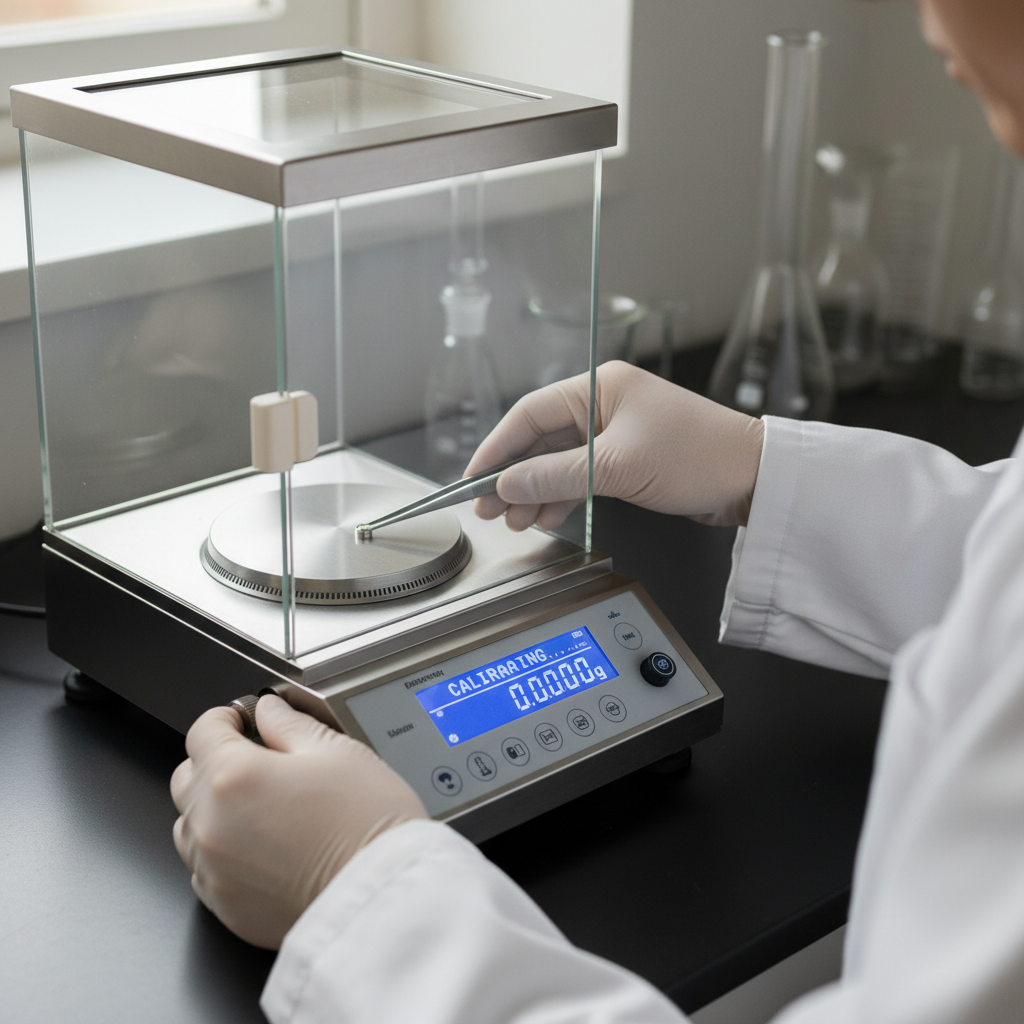
The Importance of Calibration
Calibration is the process of configuring an instrument to provide a result for a sample within an acceptable range. It ensures that measurements are accurate and consistent with international standards. For laboratories in Malaysia, adhering to calibration standards is not just a regulatory requirement but a commitment to quality and precision.
Benefits of Proper Calibration
Proper calibration offers numerous benefits, including:
- Increased Accuracy: Ensures measurements are reliable and consistent.
- Regulatory Compliance: Meets national and international guidelines.
- Cost Efficiency: Reduces errors and the need for retests.
Understanding Malaysian Calibration Standards
Malaysia's calibration standards are governed by the Department of Standards Malaysia (DSM). The DSM provides guidelines and accreditation for calibration activities, ensuring that laboratories maintain high-quality standards. These standards are aligned with international benchmarks, making Malaysian labs competitive globally.

Key Regulatory Bodies
Several regulatory bodies oversee calibration standards in Malaysia, including:
- Department of Standards Malaysia (DSM): The national body responsible for standardization.
- National Metrology Institute of Malaysia (NMIM): Provides traceability and calibration services.
Types of Calibration Services
Malaysian laboratories can access a variety of calibration services tailored to different needs. These include mechanical, electrical, and thermal calibration, each essential for specific industries and applications. Understanding the types of services available helps labs choose the right calibration for their instruments.
Choosing the Right Calibration Service
When selecting a calibration service, consider factors such as the type of instruments, the required accuracy, and the industry standards. Collaborating with accredited calibration service providers ensures that laboratories maintain compliance and precision.

Challenges and Solutions
Despite the comprehensive standards in place, laboratories may face challenges such as keeping up with technological advancements or managing costs. Investing in training and partnering with experienced calibration providers can help overcome these obstacles.
Future of Calibration in Malaysia
The future of calibration in Malaysia looks promising, with ongoing advancements in technology and an increasing focus on quality assurance. Continuous improvement and adherence to international standards will ensure that Malaysian laboratories remain at the forefront of precision and reliability.
Conclusion
Understanding and implementing Malaysia's calibration standards is essential for any laboratory aiming for excellence. By staying informed and compliant, labs can ensure the highest level of accuracy and quality in their measurements, reinforcing their position in the global market.