The Rise of Lab Equipment Innovations in Malaysia and Singapore


In recent years, Malaysia and Singapore have experienced a surge in innovations within the lab equipment sector. This growth is driven by increased research activities, technological advancements, and supportive governmental policies. As these Southeast Asian nations continue to develop, the demand for cutting-edge laboratory solutions has never been more critical.
Technological Advancements
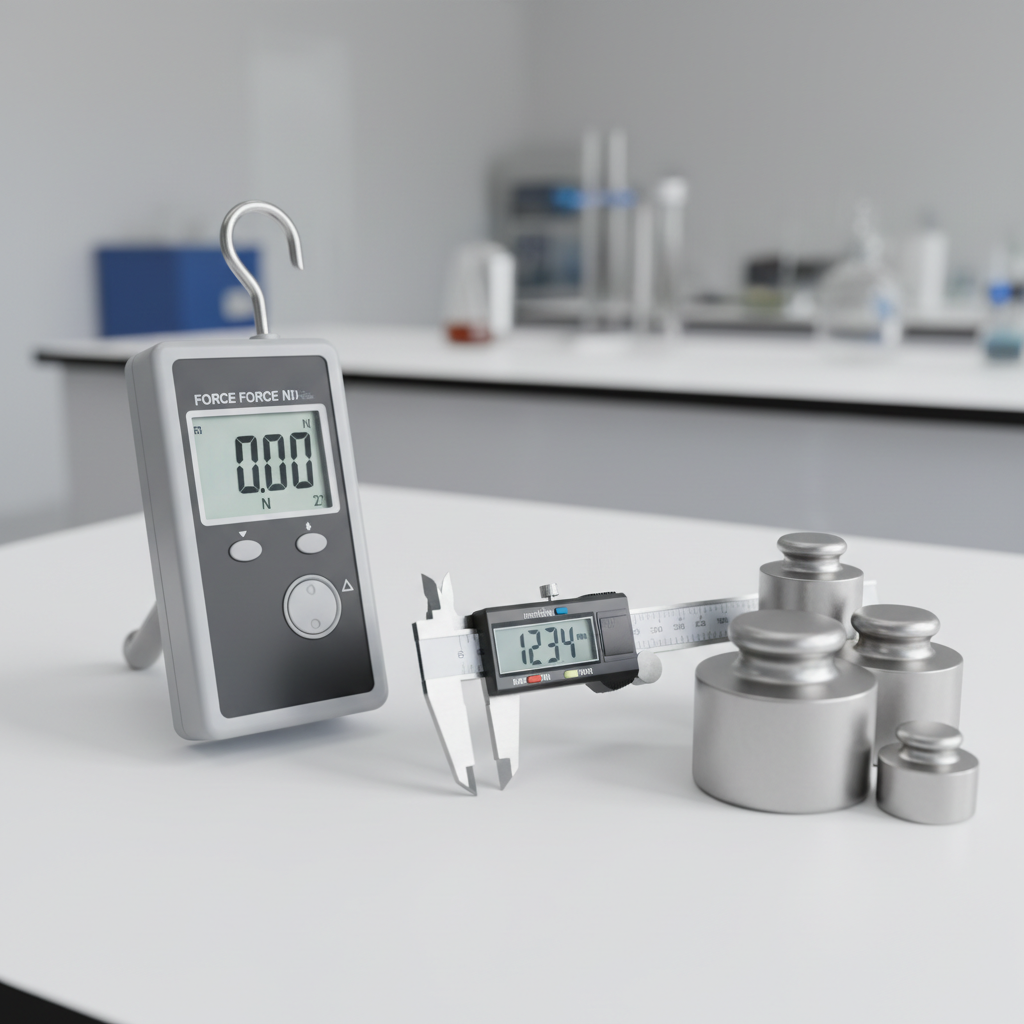
The integration of technology in lab equipment has revolutionized the way research is conducted. From automation to data analytics, laboratories in Malaysia and Singapore are embracing modern solutions that increase efficiency and accuracy. These advancements not only streamline processes but also reduce the margin for human error, ensuring more reliable results.
A significant technological trend is the adoption of Internet of Things (IoT) in lab equipment. IoT-enabled devices allow for real-time monitoring and control, providing researchers with immediate insights and the ability to make informed decisions quickly.
Government Support and Investment
Both Malaysia and Singapore have recognized the importance of innovation in the scientific sector and have implemented policies to support this growth. In Malaysia, initiatives like the National Policy on Science, Technology, and Innovation (NPSTI) aim to foster an environment that encourages research and innovation.

Similarly, Singapore's Research, Innovation, and Enterprise (RIE) plan allocates substantial funding to advance scientific research and technology. This support has been instrumental in attracting global companies to invest in the region, further boosting the local lab equipment market.
Collaboration Between Academia and Industry
The collaboration between academic institutions and industry players is another significant factor driving innovation. Universities and research institutions in Malaysia and Singapore frequently partner with tech companies to develop state-of-the-art lab equipment. This symbiotic relationship allows for the sharing of knowledge and resources, leading to breakthroughs in various scientific fields.
Moreover, these partnerships often result in the commercialization of new technologies, making cutting-edge solutions accessible to a broader audience.

Challenges and Future Prospects
Despite the progress, the lab equipment sector in Malaysia and Singapore faces several challenges. These include the need for continuous funding, skilled workforce development, and overcoming regulatory hurdles. Addressing these issues is crucial for maintaining momentum in innovation.
Looking ahead, the future of lab equipment in these countries appears promising. With ongoing investments and a strong focus on research and development, Malaysia and Singapore are well-positioned to become leaders in the global scientific landscape.
In conclusion, the rise of lab equipment innovations in Malaysia and Singapore reflects a broader trend of technological advancement and collaboration. As these nations continue to invest in science and technology, they are paving the way for a future where cutting-edge research is the norm, contributing significantly to global scientific progress.