The Benefits of Regular Calibration for Laboratory Devices: Ensuring Precision and Compliance


Understanding the Importance of Calibration
In any laboratory setting, precision is paramount. Ensuring that laboratory devices are functioning accurately is critical for producing reliable results. Regular calibration of these devices is a key practice that helps maintain their precision and reliability. Calibration involves comparing the measurements of a device to a known standard, ensuring that it performs within specified limits.
Without regular calibration, the accuracy of laboratory instruments can drift over time, leading to incorrect data and potentially costly errors. This not only affects the integrity of the research but can also lead to non-compliance with industry standards.
Ensuring Compliance with Standards
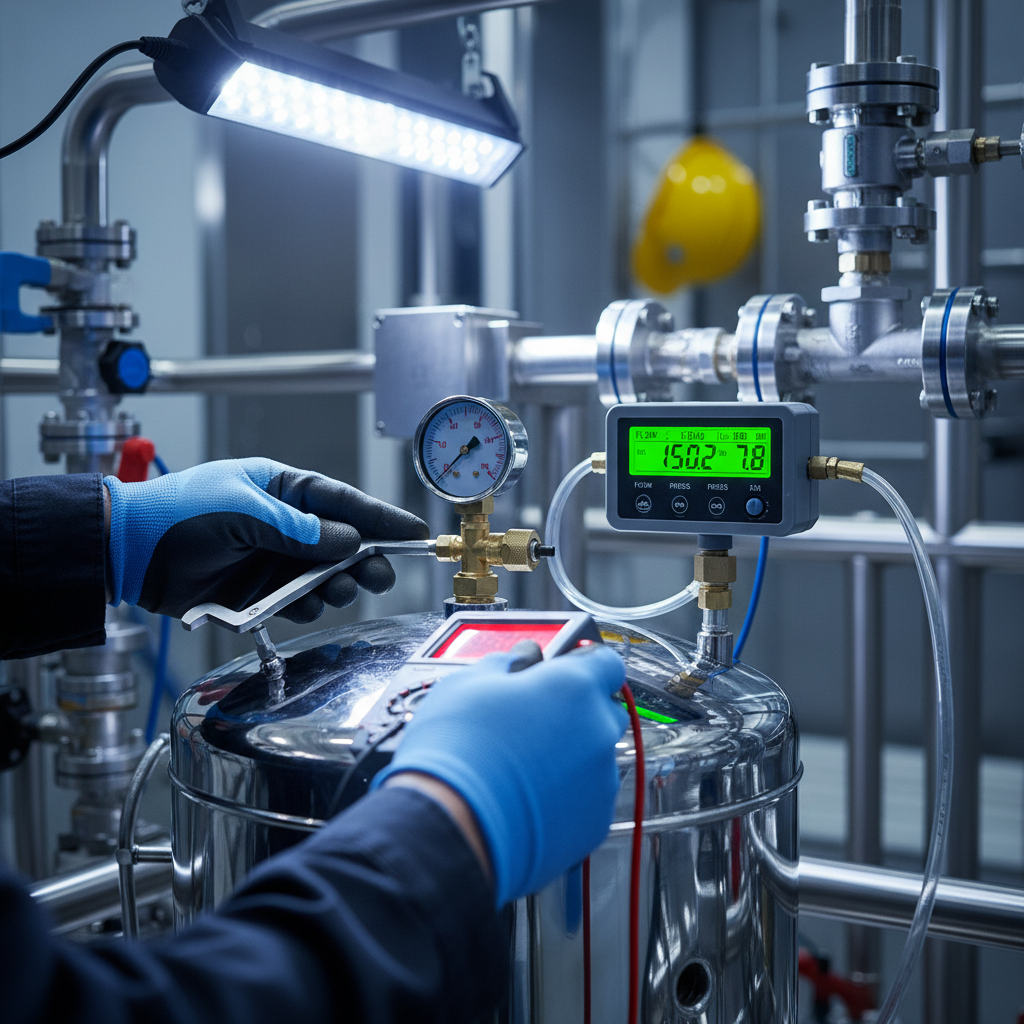
Laboratories often operate under stringent regulations and standards, such as ISO/IEC 17025, which requires regular calibration of equipment. By adhering to these standards, laboratories ensure that their measurement results are globally recognized and accepted.
Compliance with these standards is not just about meeting regulatory requirements; it also enhances the credibility of the laboratory. Clients and stakeholders are more likely to trust results from a lab that demonstrates a commitment to maintaining high standards of accuracy and precision.

Benefits of Regular Calibration
Regular calibration offers numerous benefits, including ensuring the accuracy of measurements, reducing the risk of errors, and maintaining compliance with industry standards. Here are some key advantages:
- Accuracy: Calibration ensures that instruments measure correctly, providing accurate and reliable data.
- Consistency: Regular checks help maintain consistent performance across multiple devices and over time.
- Cost Efficiency: By preventing errors, calibration can save money on rework and reduce waste.
Enhancing Laboratory Performance
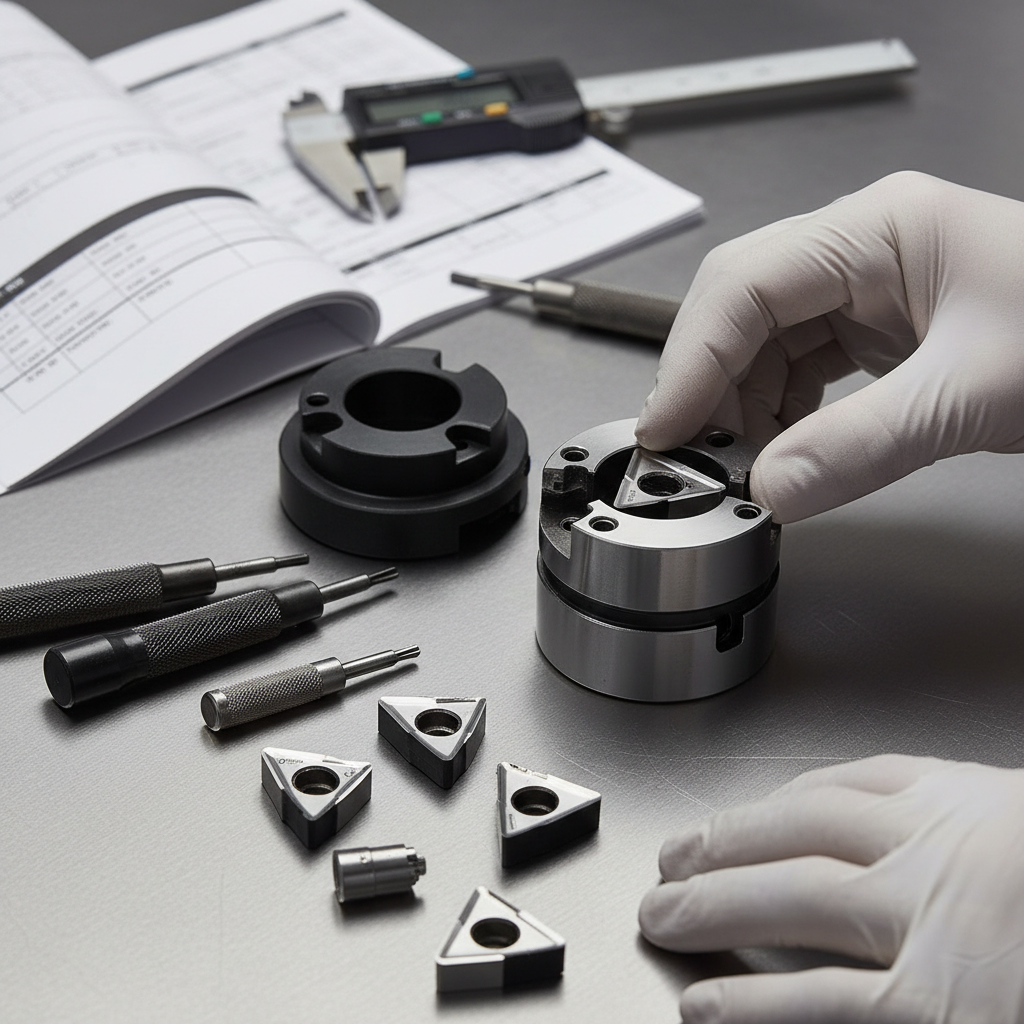
Regular calibration not only ensures compliance and accuracy but also enhances the overall performance of a laboratory. Well-calibrated instruments contribute to smoother operations, fewer unexpected downtimes, and increased productivity. This proactive approach to maintenance can lead to long-term savings and a more efficient workflow.
Moreover, by preventing errors and ensuring reliability, calibration supports high-quality research outcomes, which is essential for scientific advancement and innovation.
Implementing a Calibration Schedule
To reap the benefits of regular calibration, laboratories should implement a structured calibration schedule. This involves:
- Identifying which instruments require calibration.
- Determining the frequency of calibration based on usage and manufacturer recommendations.
- Documenting calibration results and maintaining records for compliance audits.
By having a clear plan and sticking to it, laboratories can ensure their equipment is always in optimal working condition.
Conclusion
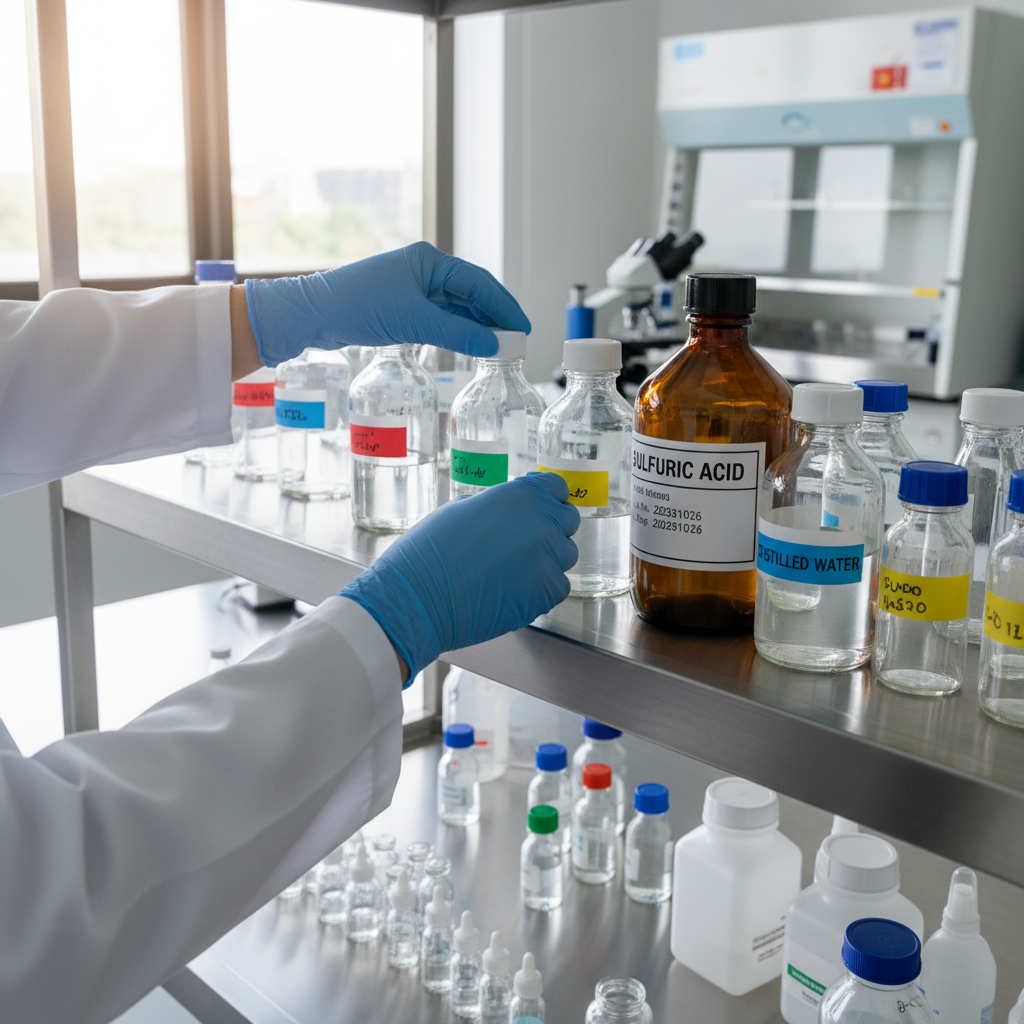
Regular calibration of laboratory devices is an essential practice that ensures precision, compliance, and efficiency. By prioritizing calibration, laboratories can maintain the integrity of their results, support compliance with industry standards, and enhance their overall performance. Investing in regular calibration is an investment in the quality and reliability of scientific research.