Success Stories: Transforming Lab Efficiency with Reliable Equipment and Calibration


Enhancing Lab Operations Through Reliable Equipment
In the world of scientific research and diagnostics, the reliability of lab equipment can make or break the efficiency of operations. Laboratories depend heavily on precision instruments to ensure accurate results. This is where the importance of reliable equipment and regular calibration comes into play, transforming lab efficiency and paving the way for success stories.

Investing in high-quality equipment is the first step toward enhancing lab efficiency. With advancements in technology, modern laboratories have access to a wide range of instruments designed to deliver precise results rapidly. These reliable tools not only improve productivity but also reduce the likelihood of errors, saving time and resources in the long run.
The Role of Calibration in Ensuring Accuracy
While cutting-edge equipment is essential, the role of calibration cannot be overstated. Calibration involves adjusting and verifying the accuracy of instruments, ensuring they perform to their intended specifications. Regular calibration is crucial for maintaining the integrity of lab results and adhering to industry standards.
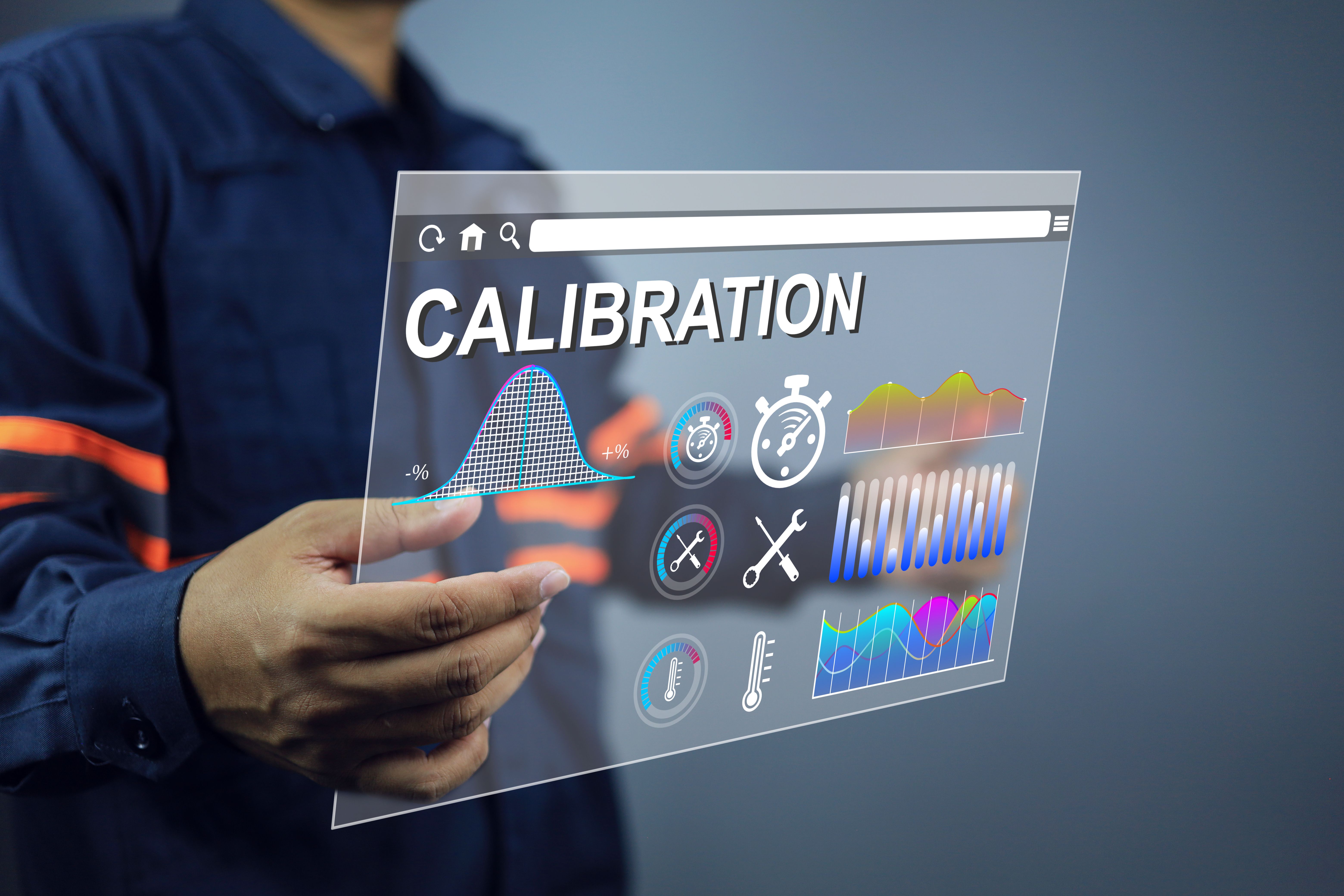
Incorporating a robust calibration schedule helps labs avoid discrepancies in data, which can lead to costly mistakes. By ensuring all equipment is functioning correctly, labs can maintain high standards of accuracy, building trust with clients and stakeholders.
Success Stories: Real-Life Transformations
Many labs have experienced remarkable transformations by prioritizing reliable equipment and regular calibration. One such story is of a pharmaceutical lab that saw a 30% increase in productivity after upgrading their equipment and implementing a stringent calibration protocol. This not only improved their workflow but also enhanced the quality of their research outcomes.
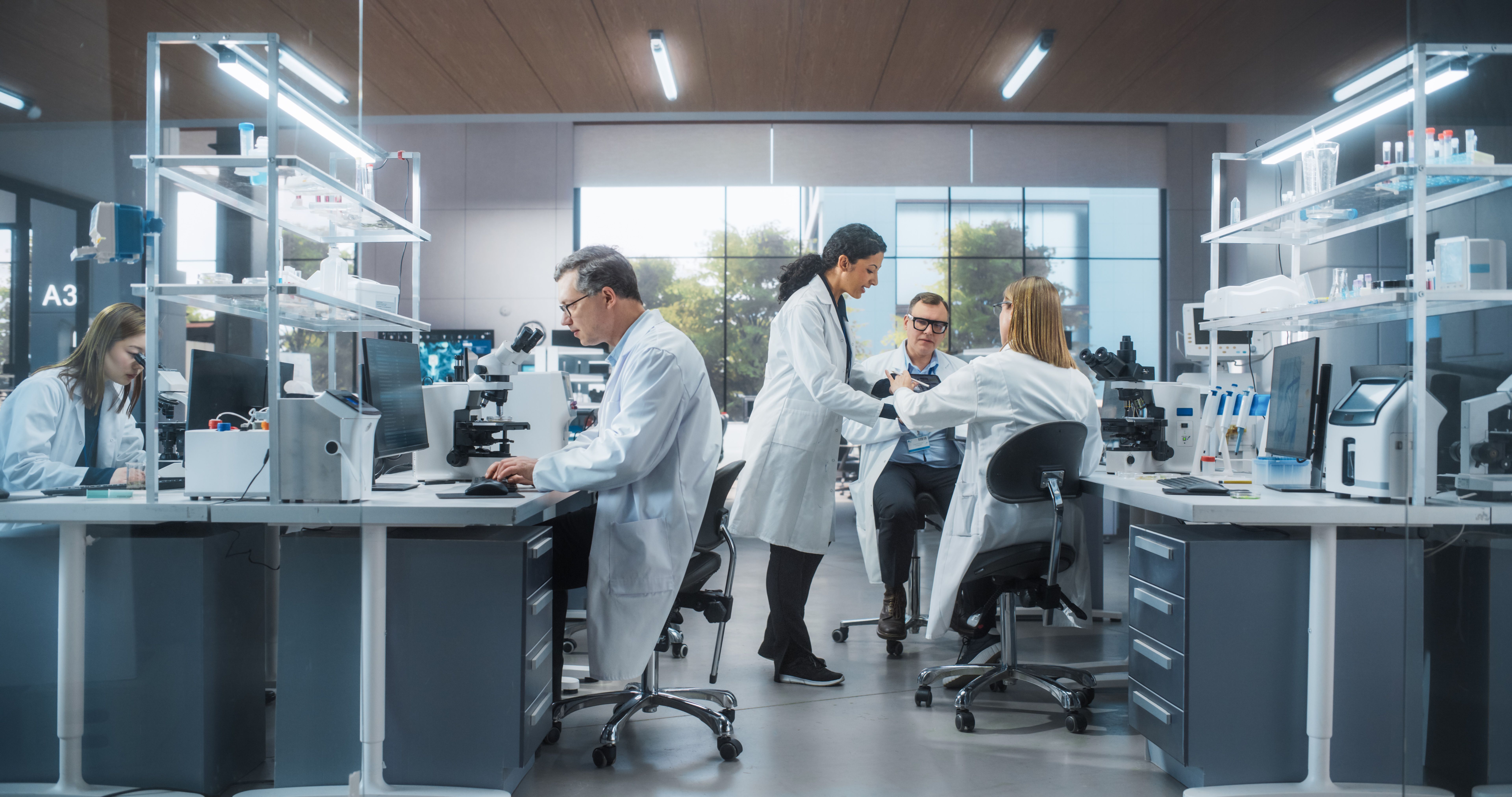
Another success story comes from a university research facility that faced challenges with data inconsistencies. By investing in reliable instruments and establishing a rigorous calibration routine, they managed to significantly reduce errors, leading to more groundbreaking discoveries and publications.
Implementing Best Practices for Lab Efficiency
For labs looking to improve efficiency, adopting best practices is essential. Here are some key steps to consider:
- Regularly assess equipment needs and upgrade outdated instruments.
- Establish a comprehensive calibration schedule and stick to it.
- Train staff on the importance of equipment maintenance and calibration.
By following these steps, labs can ensure their operations run smoothly, leading to enhanced productivity and accuracy.
The Future of Lab Efficiency
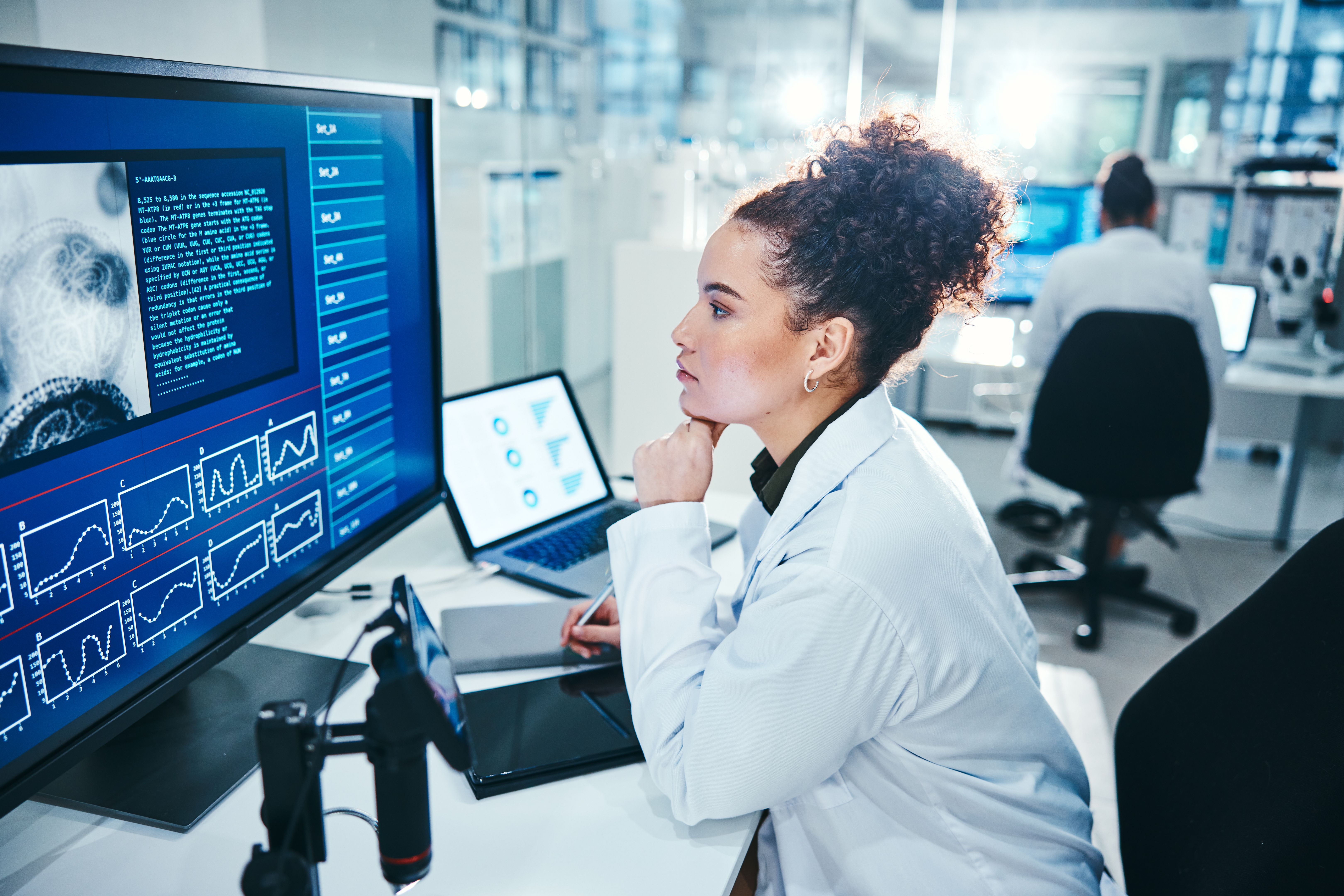
As technology continues to evolve, the future of lab efficiency looks promising. Emerging trends in automation and artificial intelligence are set to revolutionize how labs operate, making them faster and more efficient than ever before. However, the foundation of success will always lie in reliable equipment and precise calibration.
By investing in these core elements, labs can position themselves at the forefront of innovation, driving scientific discoveries and achieving their research goals with unprecedented accuracy and speed.