Seasonal Guide: Preparing Your Lab Equipment for Calibration


As the seasons change, so do the requirements for maintaining precision in your laboratory equipment. Proper calibration is crucial for accurate results, and preparing your equipment for this process is essential. This guide will walk you through the necessary steps to ensure your lab equipment is ready for calibration.
Understanding the Importance of Calibration
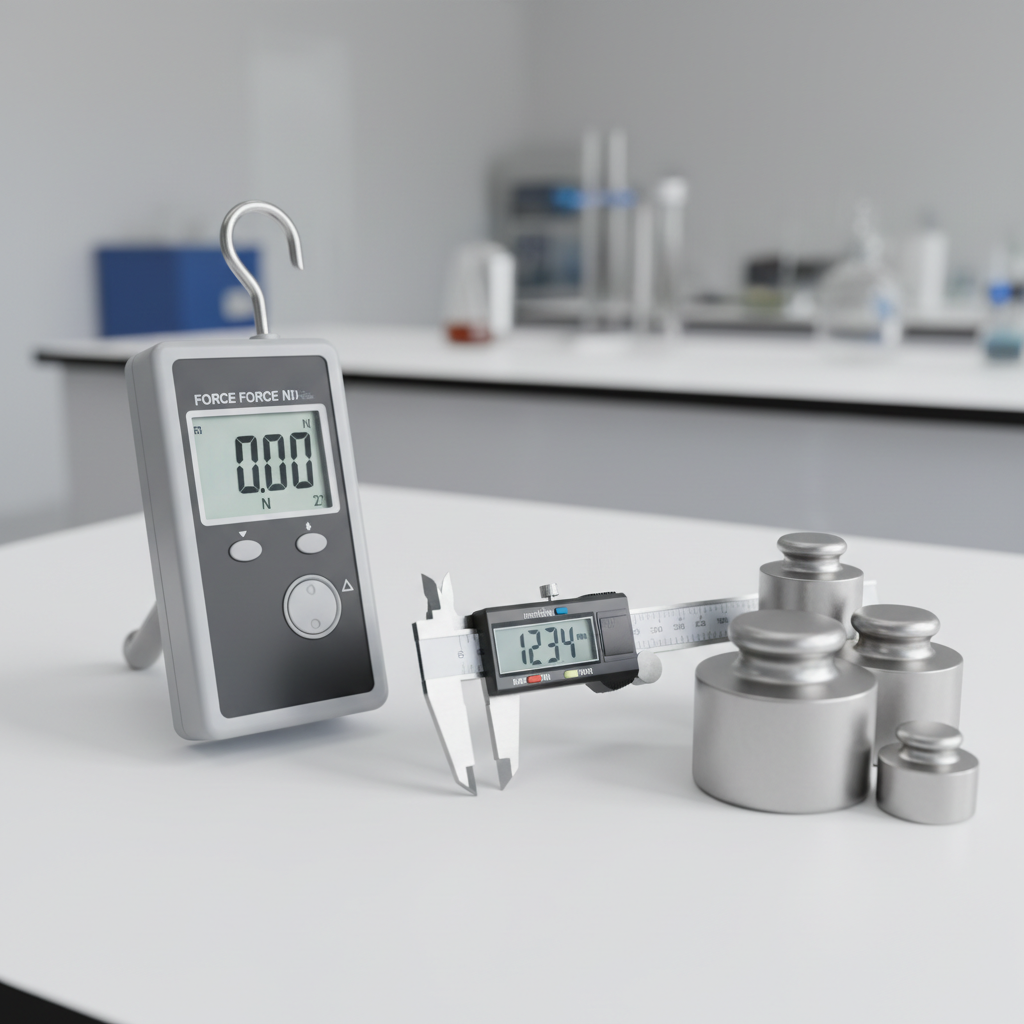
Calibration ensures that your lab instruments provide accurate and consistent results. It involves comparing the measurements of your equipment against a standard to check for deviations. Regular calibration minimizes errors, maintains compliance with industry standards, and enhances the reliability of your data.
When to Calibrate Your Equipment
Typically, calibration should be performed at regular intervals, which might be dictated by the manufacturer's recommendations or industry regulations. However, seasonal changes might also affect equipment performance due to variations in temperature, humidity, and atmospheric pressure. Therefore, consider scheduling calibrations at the start of each season.
Additionally, if you notice inconsistencies in results or after any significant equipment repair, it’s wise to perform an additional calibration. Keeping a log of calibration dates and results can help track the performance and reliability of your instruments over time.
Preparing Your Equipment for Calibration
Inspect and Clean the Equipment
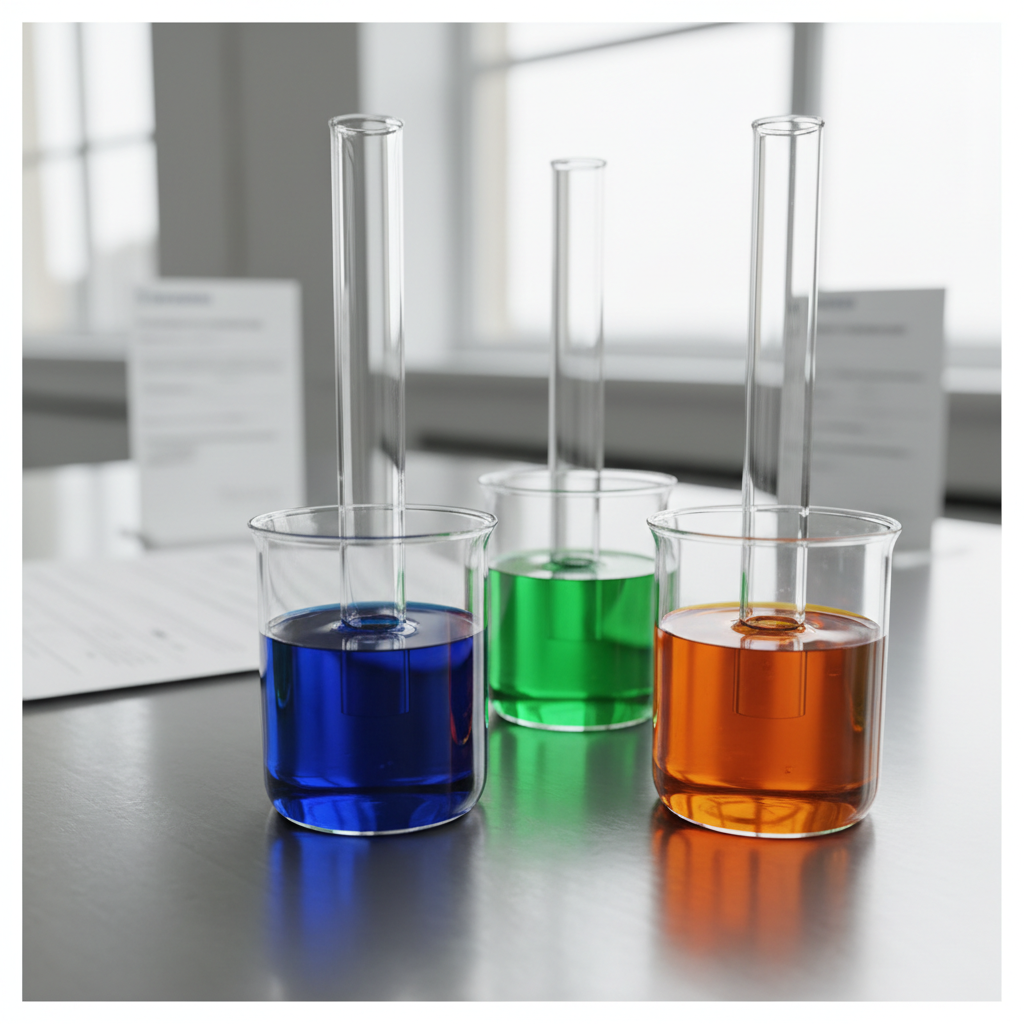
Before calibration, thoroughly inspect your equipment for any visible signs of wear and tear. Pay attention to any physical damage, as this could affect performance. Cleaning is also critical, as dust and residues can interfere with the accuracy of measurements.
- Use appropriate cleaning agents recommended by the manufacturer.
- Ensure all surfaces are free from contaminants.
- Check for any loose parts and secure them before calibration.
Check Environmental Conditions
Environmental conditions can significantly impact the accuracy of your lab equipment. Ensure that the calibration environment is controlled and consistent with the specifications required for accurate measurements.
- Maintain a stable temperature and humidity level.
- Avoid areas with high levels of vibration or electromagnetic interference.
- Ensure proper lighting to facilitate precise calibration processes.
Documenting Calibration Results
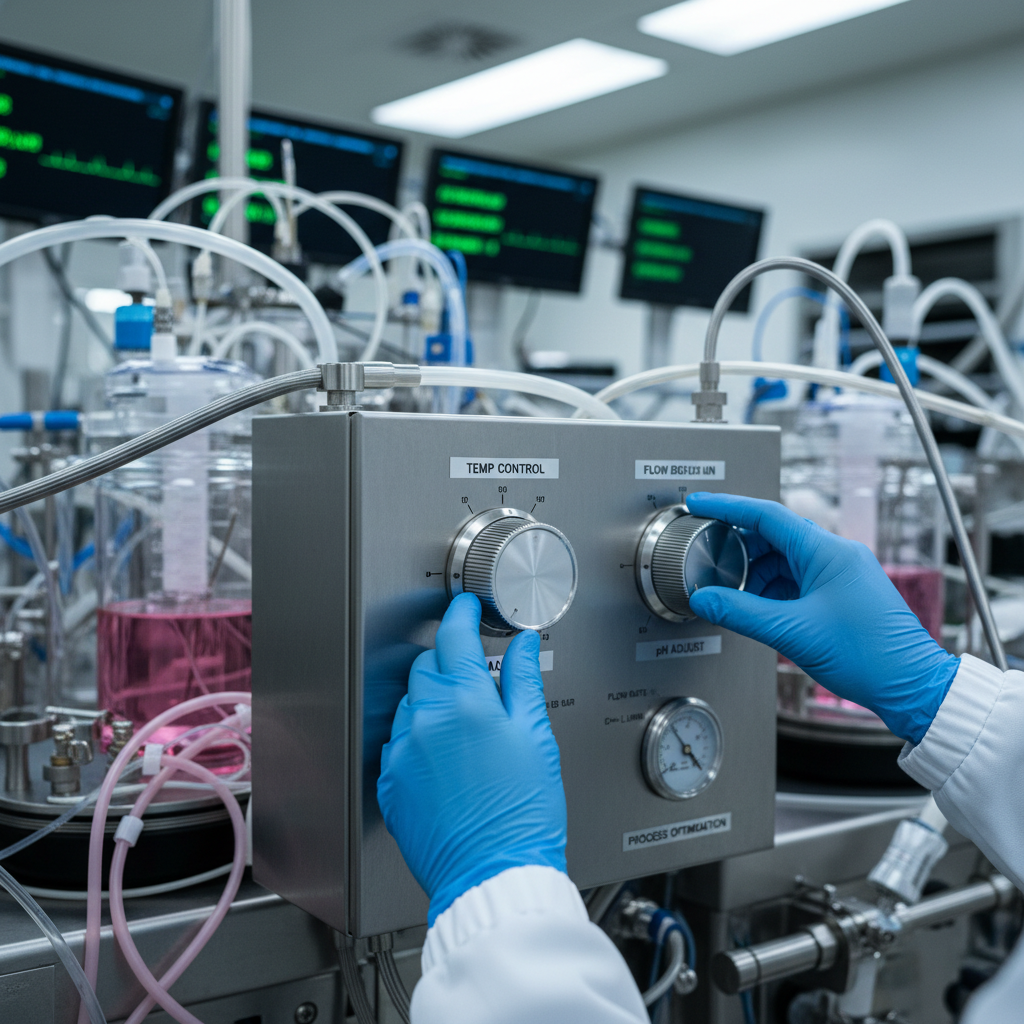
After calibration, it's essential to document the results meticulously. This includes recording the date, the technician's name, the calibration standard used, and any adjustments made. Proper documentation helps in maintaining a history of equipment performance and supports quality assurance processes.
Consider using digital tools or software for efficient record-keeping. This not only simplifies the process but also makes it easier to retrieve data during audits or inspections.
Building a Calibration Schedule
Developing a comprehensive calibration schedule is vital for maintaining the accuracy of your equipment. This schedule should be based on manufacturer guidelines, historical performance data, and any regulatory requirements specific to your industry.
Regular reviews of your calibration schedule can help identify trends and potential issues before they affect your lab operations. By staying proactive, you can ensure your lab equipment continues to deliver reliable and precise results throughout the year.