Preparing Your Lab for Seasonal Changes: A Checklist for Southeast Asia


Understanding Seasonal Changes in Southeast Asia
Southeast Asia experiences distinct climate patterns, characterized by monsoon seasons that bring heavy rains and high humidity. These environmental changes can affect laboratory conditions, making it crucial for lab managers to prepare adequately. Understanding the impact of these seasonal changes is the first step in ensuring that your lab remains functional and efficient.
The monsoon season, typically from May to October, can lead to increased moisture levels, which may affect sensitive equipment and specimens. Conversely, the dry season can bring about dust and temperature fluctuations that also pose challenges.

Maintaining Optimal Lab Conditions
Temperature and Humidity Control
Maintaining the right temperature and humidity levels is essential for the stability of experiments and the safety of stored materials. During the wet season, humidity levels can soar, affecting equipment and samples. Consider installing dehumidifiers and using air conditioning to regulate these conditions effectively.
- Regularly monitor humidity levels using hygrometers.
- Ensure air conditioning units are serviced and functioning optimally.
- Use silica gel packets in storage areas to absorb excess moisture.
Equipment Maintenance
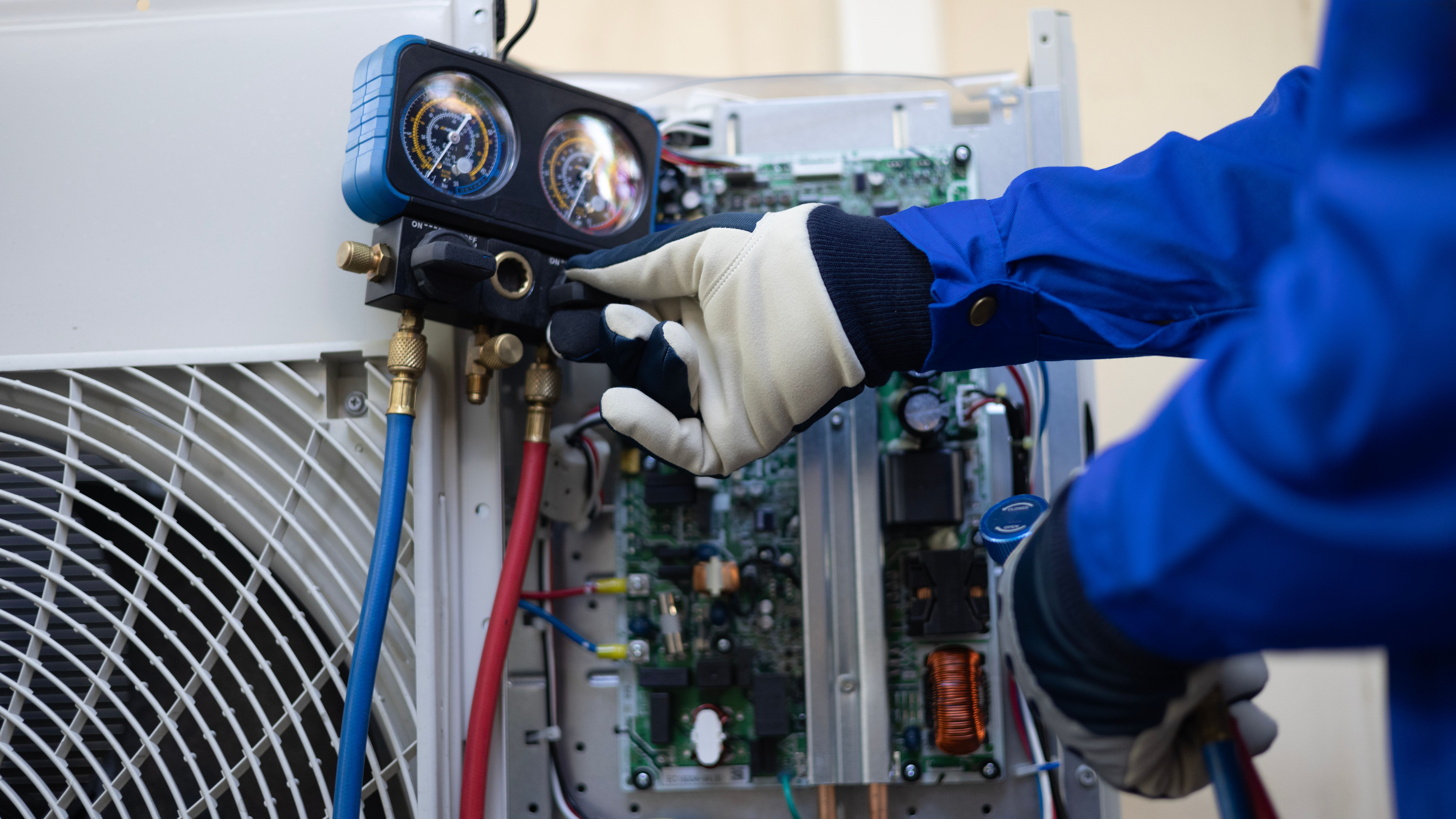
Seasonal changes can lead to wear and tear on lab equipment. It's essential to schedule regular maintenance checks to prevent malfunctions that could disrupt ongoing research.
- Inspect and service HVAC systems before the onset of the monsoon season.
- Calibrate sensitive equipment to account for any environmental changes.
- Keep backup equipment ready to replace any malfunctioning devices.
Ensuring Sample and Chemical Safety
Proper Storage Solutions
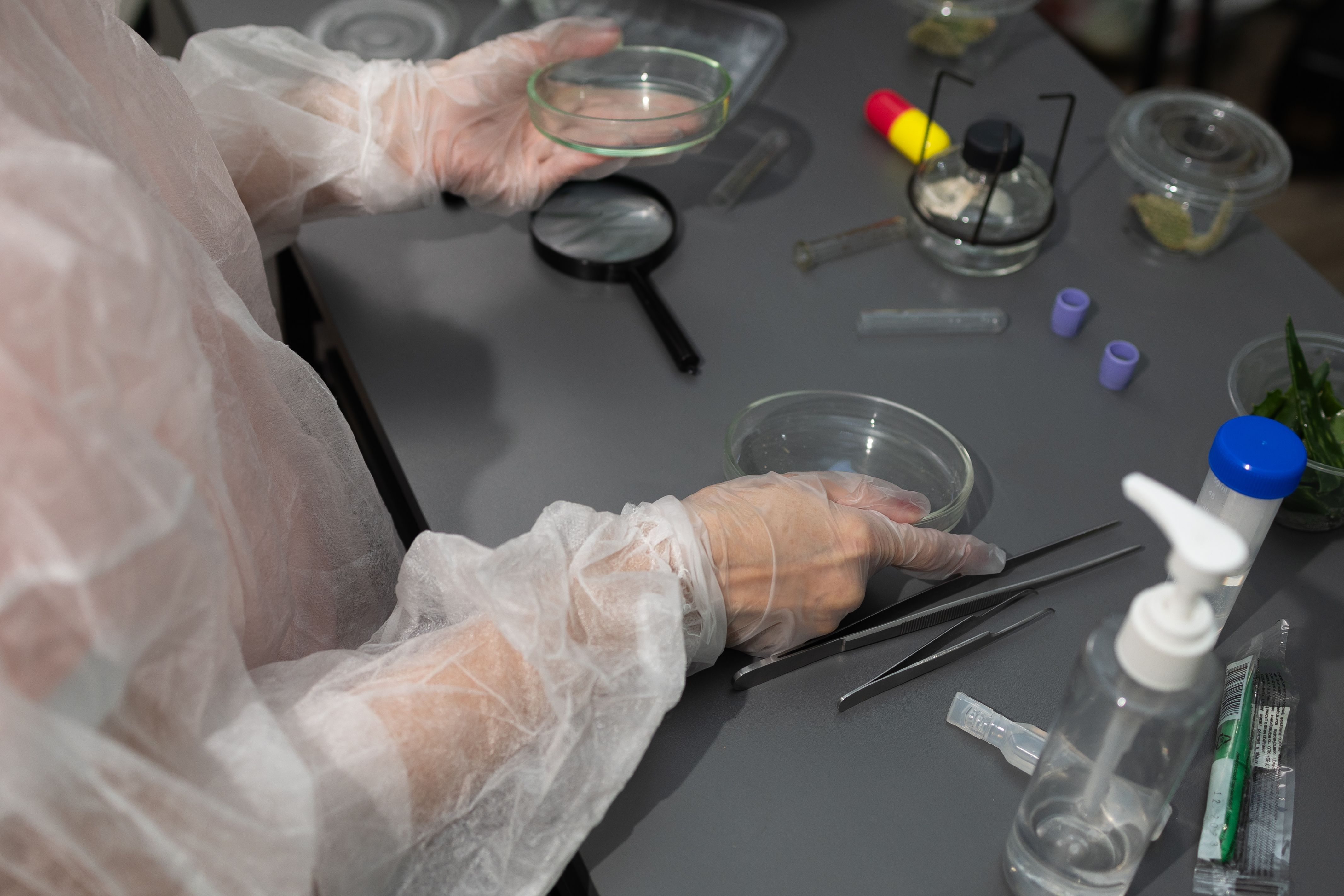
Fluctuations in temperature and humidity can compromise the integrity of samples and chemicals. Evaluate your storage solutions to ensure they provide adequate protection against environmental changes.
- Use climate-controlled storage units for sensitive materials.
- Regularly check the condition of seals on containers to prevent contamination.
- Implement a robust labeling system to track storage conditions and dates.
Risk Management and Safety Protocols
Safety should always be a priority. Prepare for any emergencies that could arise due to seasonal changes, such as flooding or power outages, by reviewing and updating your lab's safety protocols.
- Conduct regular safety drills to ensure staff readiness.
- Check emergency equipment like backup generators and fire extinguishers.
- Develop an emergency communication plan for all lab personnel.
Staff Training and Preparedness
Ensuring that your team is well-trained and prepared for seasonal changes is a vital component of lab management. Regular training sessions can equip them with the knowledge and skills needed to handle any challenges that arise.
Consider organizing workshops or seminars focused on understanding the impacts of seasonal changes on lab operations. Encourage open communication so staff can report any issues promptly.
Conclusion
Preparing your lab for seasonal changes in Southeast Asia requires a proactive approach. By focusing on maintaining optimal conditions, ensuring equipment and sample safety, and training your staff, you can mitigate the risks associated with these environmental shifts. Implementing this checklist will help ensure that your lab continues to function smoothly, regardless of the season.