Maximizing Lab Efficiency: The Role of Annual Calibration Services


Understanding the Importance of Calibration
In the fast-paced world of laboratory research and development, maintaining accuracy and reliability is paramount. One crucial aspect of achieving this is through regular calibration of lab equipment. Calibration ensures that instruments are performing optimally, delivering precise measurements that are essential for high-quality results. Without it, the risk of error increases, potentially leading to compromised data and conclusions.
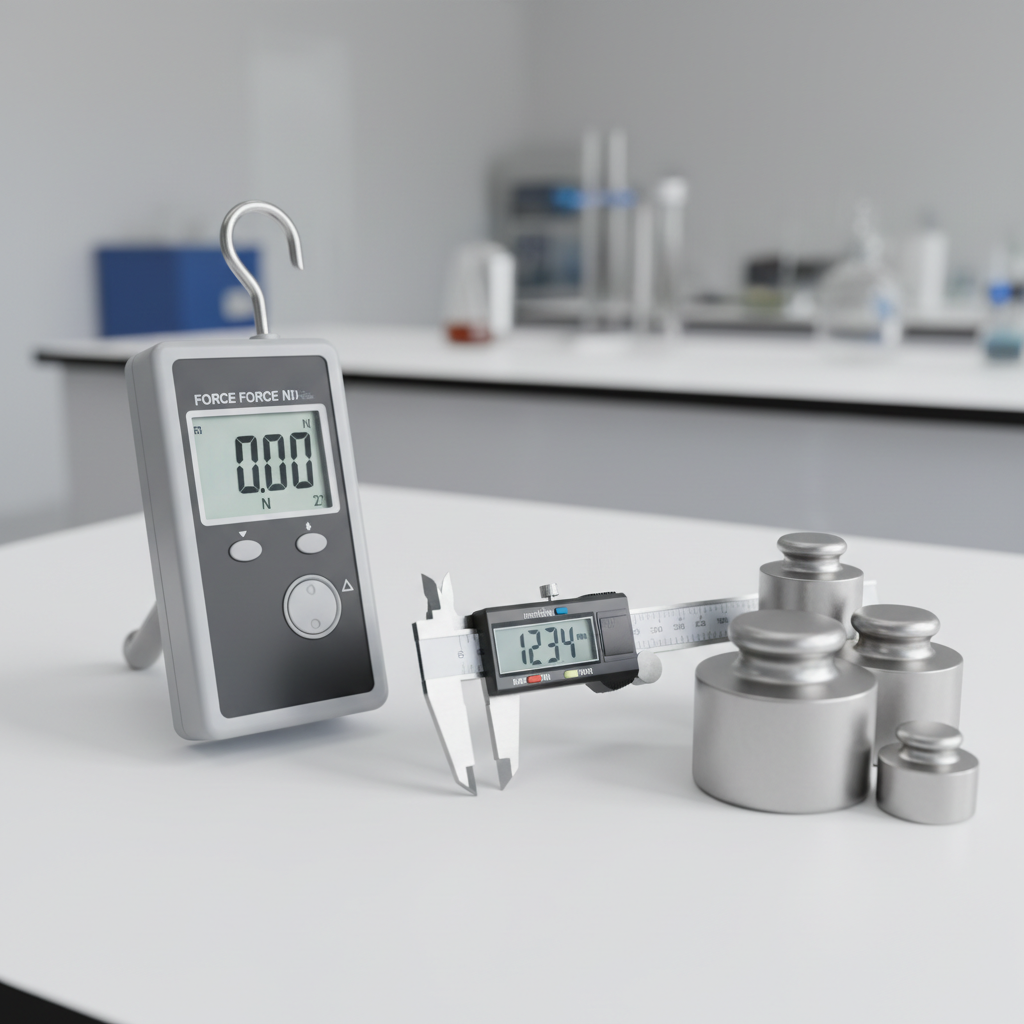
Calibration involves adjusting and verifying equipment to meet specified standards. This process helps in identifying any deviations from the norm, ensuring that instruments are functioning correctly. Regular calibration is not just a good practice; it is a necessity for any lab aiming to maintain a competitive edge.
Benefits of Annual Calibration Services
Annual calibration services offer numerous advantages to laboratories. First and foremost, they enhance accuracy and consistency across various experiments and procedures. By ensuring that all equipment is aligned with industry standards, labs can produce reliable results that are reproducible and credible.
Additionally, routine calibration can extend the lifespan of laboratory instruments. By identifying potential issues early, labs can address them before they become significant problems, thus avoiding costly repairs or replacements. This proactive approach not only saves money but also minimizes downtime, keeping operations running smoothly.

Compliance with Regulatory Standards
Adhering to regulatory standards is a critical component of laboratory operations. Many industries require strict compliance with guidelines that mandate regular calibration. Failure to meet these standards can result in penalties or loss of accreditation. Annual calibration services help labs remain compliant, ensuring they meet all necessary regulations and maintain their reputations.
Moreover, compliance fosters trust with clients and stakeholders, demonstrating a commitment to quality and precision. This trust is invaluable for building long-term relationships and securing future projects.
Steps to Implement Effective Calibration Services
Implementing effective calibration services involves several key steps. Here’s a simple guide to follow:
- Schedule Regular Check-ups: Set a fixed schedule for calibration to ensure consistency and avoid last-minute rushes.
- Choose a Reputable Service Provider: Partner with experienced professionals who understand your specific needs and industry standards.
- Document Everything: Keep detailed records of all calibration activities to track performance and comply with audits.
Conclusion: Invest in Quality
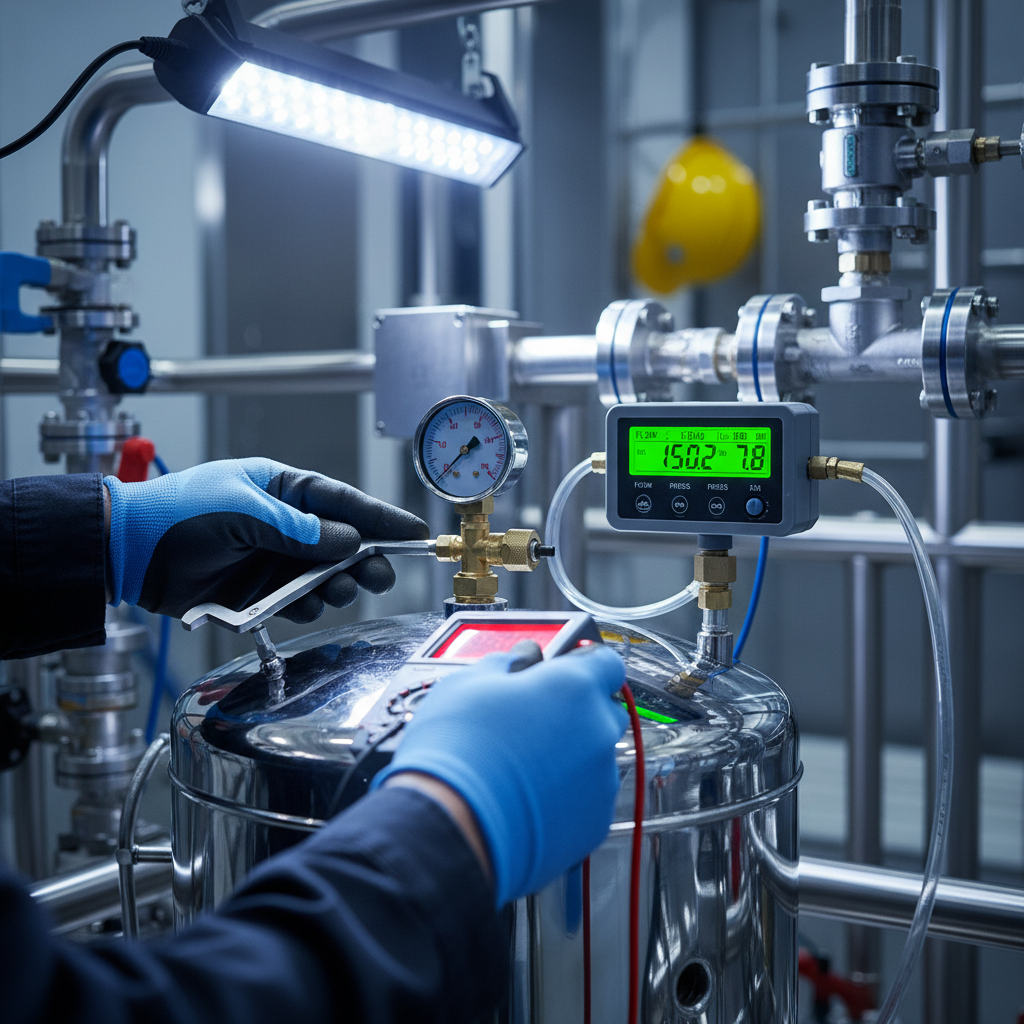
In conclusion, maximizing lab efficiency hinges on the precision and accuracy of the instruments used. Annual calibration services play a pivotal role in maintaining this accuracy, providing a foundation for reliable and consistent results. By investing in regular calibration, labs not only ensure compliance and extend the lifespan of their equipment but also uphold their commitment to excellence.
Ultimately, the benefits of annual calibration are far-reaching, impacting not only the quality of the research but also the lab's reputation and success. Prioritizing calibration is a strategic decision that pays dividends in the long run.