How to Maintain Your Lab Equipment with Annual Calibration Services


Understanding the Importance of Calibration
In scientific and industrial environments, maintaining the accuracy of lab equipment is crucial. Annual calibration services ensure that your instruments provide precise readings, which is essential for reliable results. Without regular calibration, even the most advanced equipment can drift from its original specifications, potentially leading to costly errors.
Calibration involves comparing the measurements of your equipment against a standard of known accuracy. This process not only identifies deviations but also adjusts instruments back to their optimal performance. Employing annual calibration as part of your maintenance routine is a proactive step towards ensuring quality and compliance.
Benefits of Regular Calibration
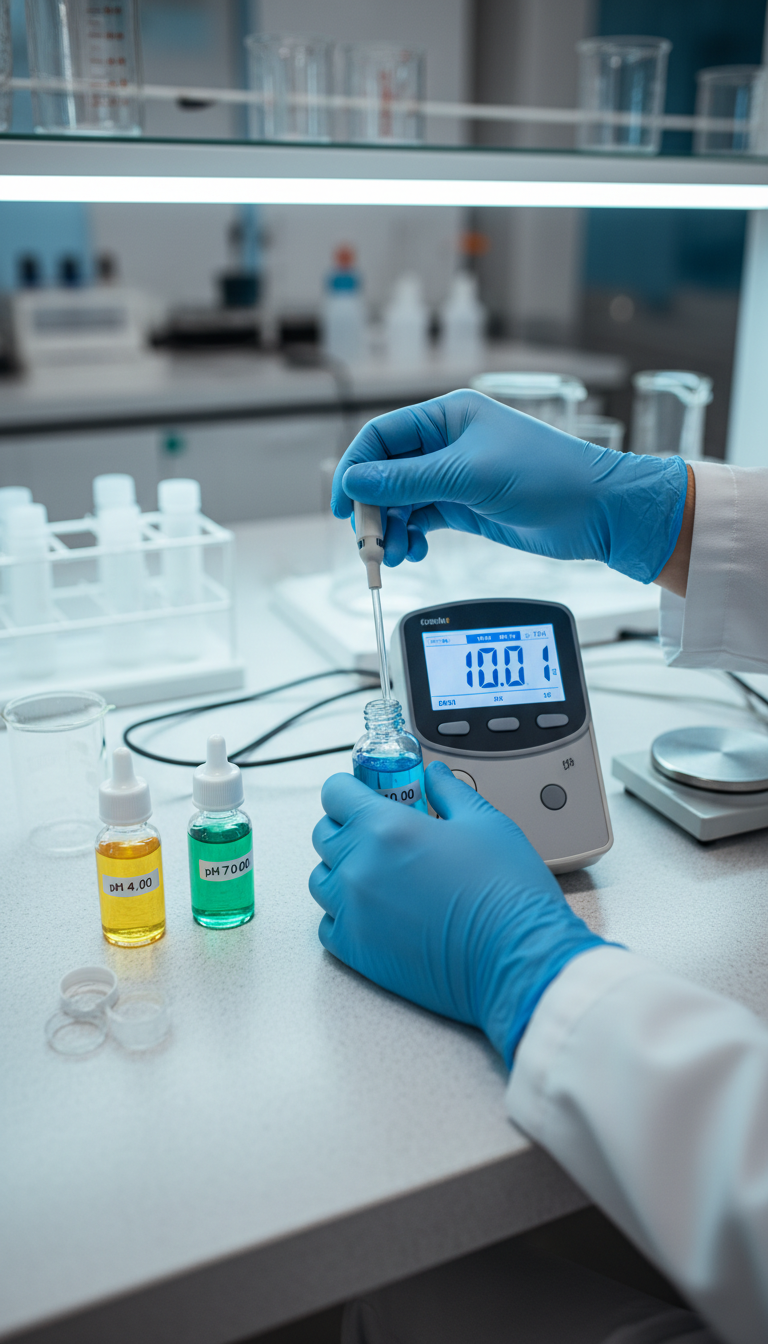
Regular calibration offers numerous benefits. Firstly, it enhances the accuracy and reliability of measurement results, which is pivotal in research and production. Secondly, it extends the lifespan of your equipment by maintaining its functionality and efficiency. Lastly, regular calibration helps in complying with industry regulations and standards, which is vital for maintaining certifications and avoiding legal issues.
By investing in annual calibration services, you reduce the risk of unexpected breakdowns and operational downtime. The consistency in performance and precision also supports your organization's reputation for quality and reliability.
Choosing the Right Calibration Services
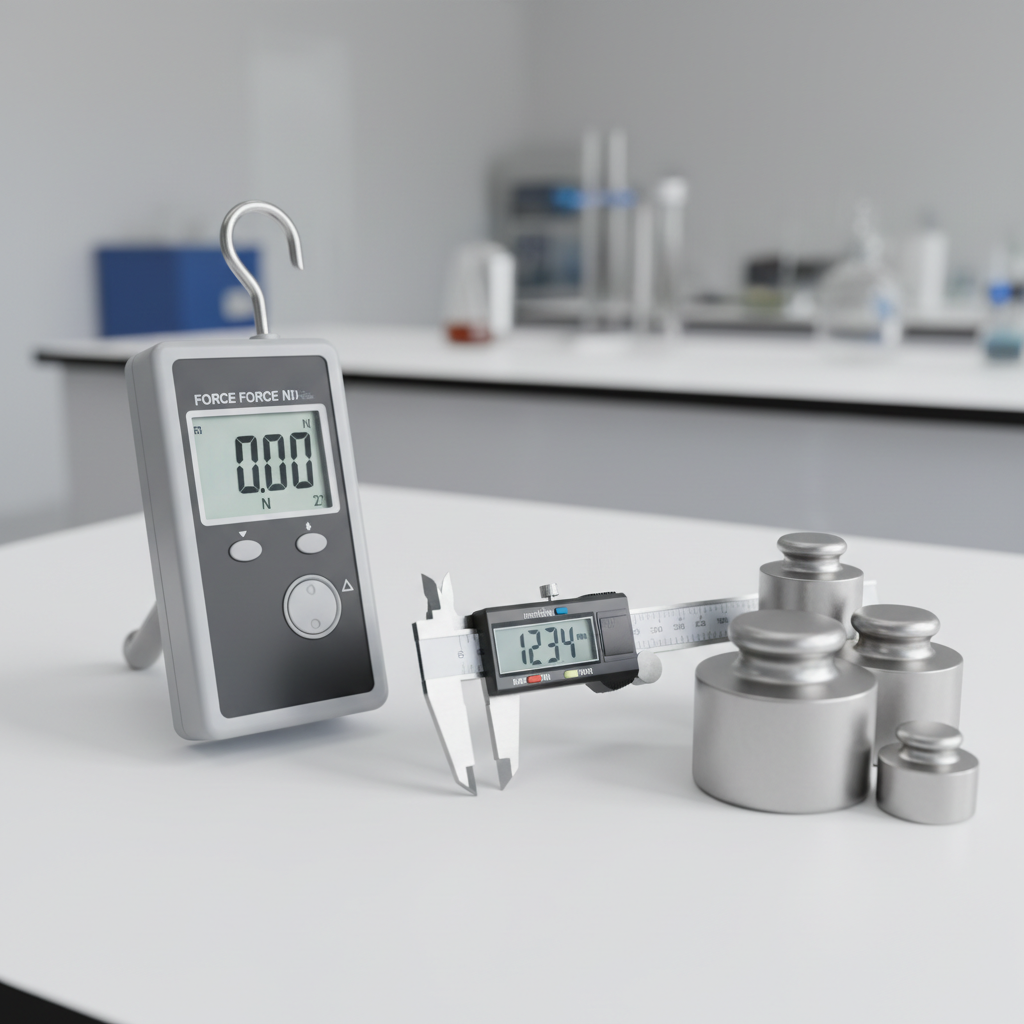
Selecting the right calibration service provider is critical. Look for providers that are accredited and have a proven track record of delivering quality services. It's essential to choose a provider that uses traceable standards and employs skilled technicians with experience in your specific industry.
Consider the range of services offered. Some providers offer on-site calibration, which can be convenient and reduce equipment downtime. Others may provide documentation and certificates that are crucial for audits and compliance checks.
Steps to Prepare for Calibration
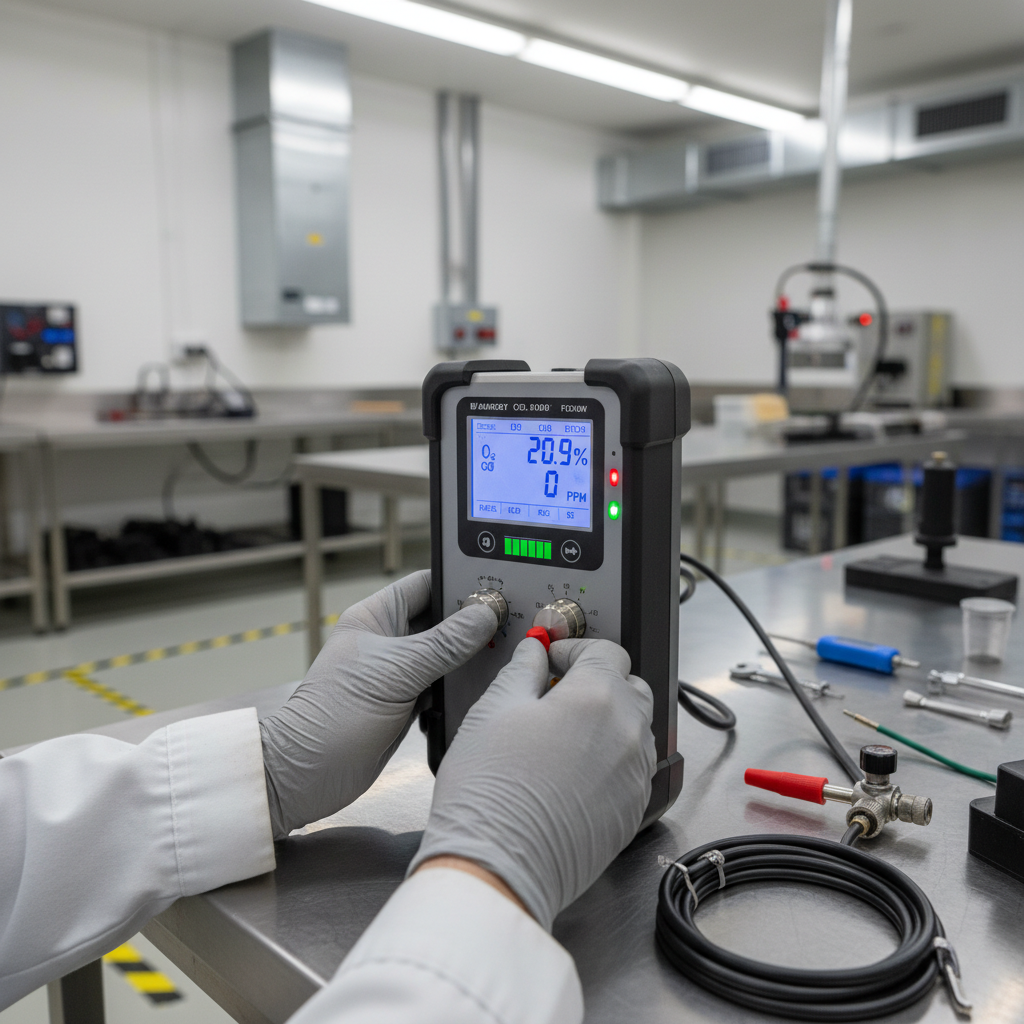
To ensure a smooth calibration process, follow these steps:
- Schedule Regularly: Mark your calendar and set reminders to avoid missing the annual calibration date.
- Clean Your Equipment: Ensure all instruments are clean and free from dust or residues that could affect the calibration process.
- Review Documentation: Gather all relevant manuals and past calibration reports to provide to the technicians.
Preparation is key to minimizing disruption and ensuring a swift calibration process. Proper planning can also help in identifying any additional maintenance needs your equipment might require.
Post-Calibration Best Practices
Once calibration is complete, it's important to follow up with a few best practices. Review the calibration report thoroughly to understand any adjustments made and any recommendations provided by the technicians. Store these reports securely as they are essential for maintaining compliance and can be valuable in case of future discrepancies.
Train your staff on any changes or adjustments made during the calibration. Keeping your team informed ensures they are aware of the equipment's current state and can operate it effectively.
Conclusion
Incorporating annual calibration services into your maintenance routine is a strategic move that safeguards accuracy, enhances reliability, and ensures compliance with industry standards. By choosing a reputable provider and preparing adequately, you can maximize the benefits of calibration and maintain the performance of your lab equipment effectively.
Ultimately, regular calibration is an investment in the quality and integrity of your work, ensuring your lab's operations run smoothly and efficiently year-round.