How to Maintain Your Lab Equipment: Expert Tips for Longevity


Understanding the Importance of Lab Equipment Maintenance
Maintaining lab equipment is crucial for ensuring accurate results and extending the life of your investment. Proper care and regular maintenance can prevent costly repairs and downtime. By following expert tips, you can ensure that your equipment remains in optimal working condition.
Regular Cleaning and Calibration
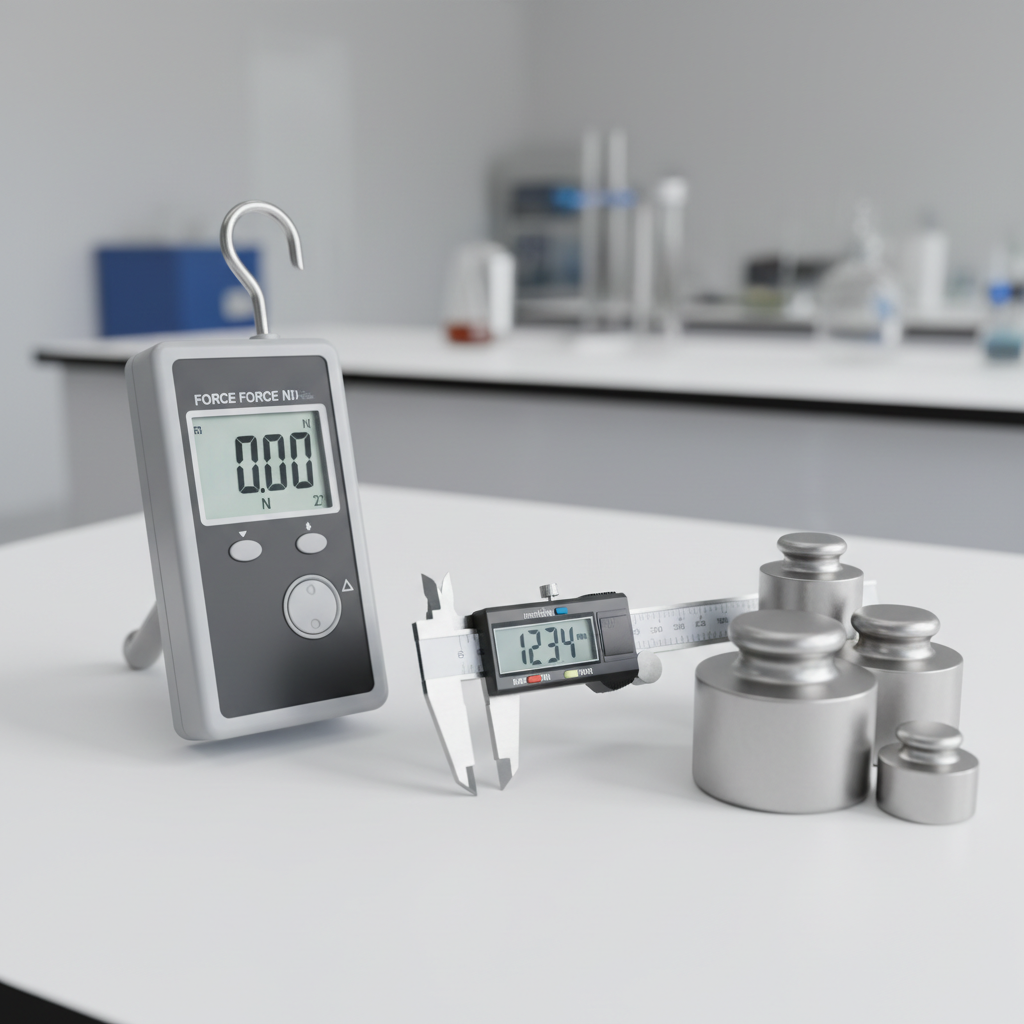
One of the most basic yet essential maintenance tasks is regular cleaning. Dust and residues can affect the performance of sensitive equipment. Use appropriate cleaning solutions and tools to avoid damaging any components. Additionally, calibrate your equipment regularly to ensure accuracy. Calibration should be done according to the manufacturer's recommendations or whenever you notice inconsistencies in results.
Inspect and Replace Parts
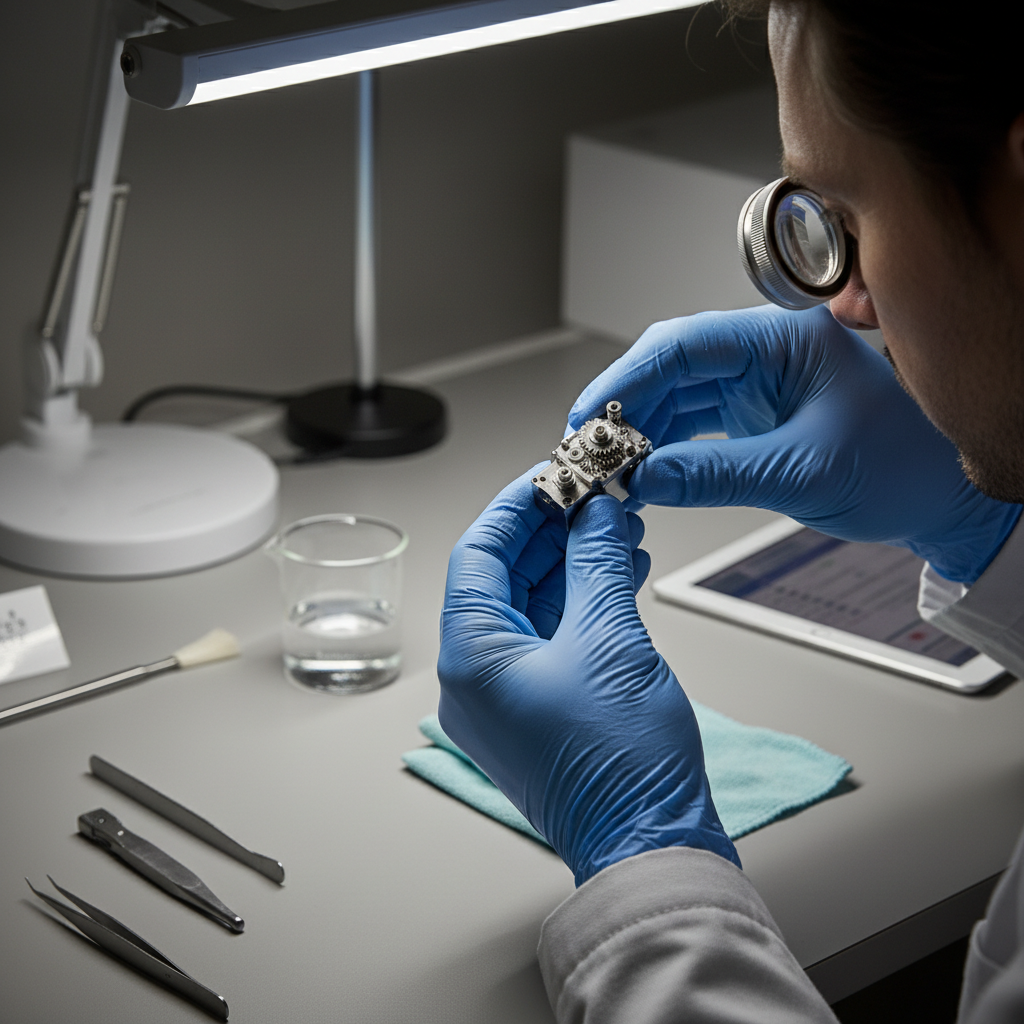
Frequent inspections can help identify worn-out parts that need replacement. Look for signs of wear and tear, such as frayed wires or loose connections. Replacing parts before they fail can prevent more significant issues down the line. Keep a log of inspections and replacements to track the history of each piece of equipment.
Proper Storage and Handling
Proper storage is vital for maintaining the integrity of lab equipment. Store equipment in a clean, dry environment to prevent damage from moisture or contaminants. Use protective covers when equipment is not in use. Handling equipment with care, using the correct procedures, will also minimize the risk of accidental damage.
Training and Protocols
Ensure that all lab personnel are adequately trained in the operation and maintenance of equipment. Establishing clear protocols can help maintain consistency and prevent mishandling. Regular training sessions can keep staff updated on best practices and any changes in maintenance procedures.
Documentation and Record-Keeping
Maintaining thorough documentation is a key aspect of equipment maintenance. Keep records of all maintenance activities, including cleaning schedules, calibration records, and part replacements. This information is invaluable for troubleshooting and future planning, ensuring your lab runs smoothly.
Utilizing Manufacturer Support
Don't hesitate to reach out to the equipment manufacturer for support. They can provide valuable resources such as manuals, technical support, and service options. Leveraging manufacturer expertise can enhance your maintenance efforts and resolve complex issues efficiently.

In conclusion, maintaining lab equipment requires a proactive approach. By integrating regular cleaning, inspections, proper storage, and thorough documentation, you can extend the life of your equipment and maintain the accuracy of your lab results. With these expert tips, you'll be well-equipped to keep your lab running smoothly.