How Regular Calibration Impacts Lab Performance and Efficiency


The Importance of Regular Calibration
In any laboratory setting, precision and accuracy are paramount. Regular calibration of equipment ensures that all measurements and results are reliable and valid. Calibration is the process of configuring an instrument to provide a result for a sample within an acceptable range. By ensuring that lab equipment is functioning correctly, labs can maintain high standards of performance.
Without regular calibration, the accuracy of results can be compromised, leading to errors that could have significant consequences. Therefore, implementing a routine calibration schedule is not just a best practice; it is essential for maintaining the integrity of laboratory work.
Enhancing Lab Efficiency
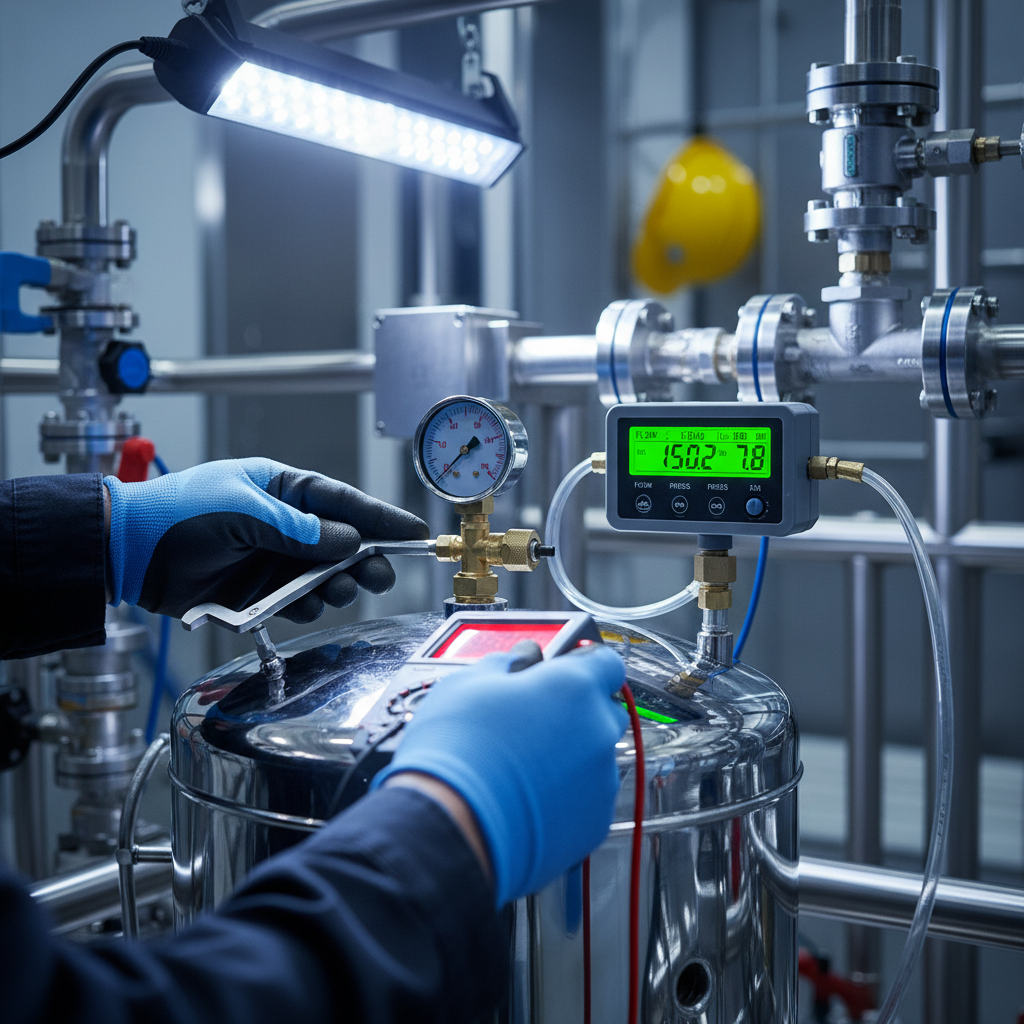
Regular calibration plays a crucial role in enhancing lab efficiency. When equipment is calibrated properly, it operates more smoothly and efficiently. This reduces the likelihood of unexpected breakdowns and minimizes downtime, which can be costly and disruptive to lab operations.
Moreover, regular calibration helps in extending the lifespan of laboratory instruments. By ensuring that each device is operating within its specified parameters, you can avoid excessive wear and tear, thus reducing the need for frequent replacements or repairs.
Compliance with Standards and Regulations
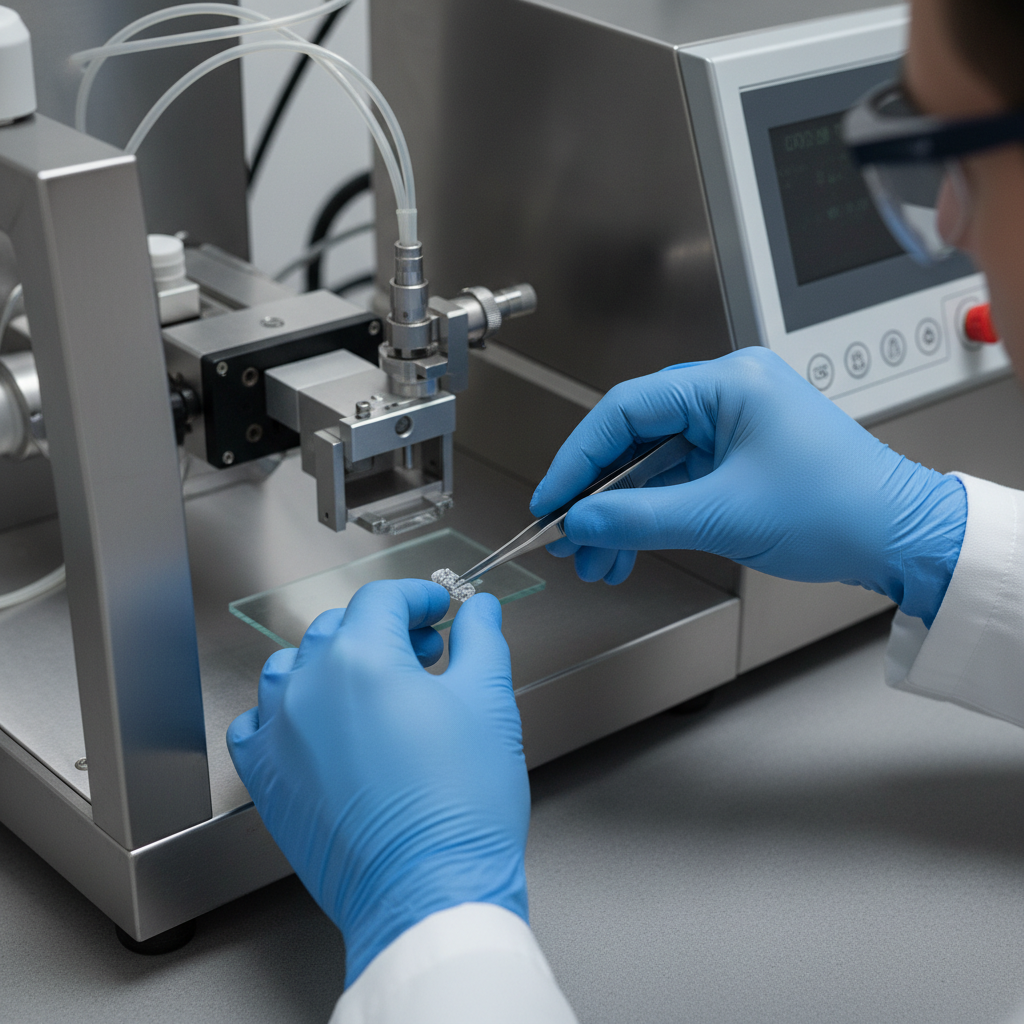
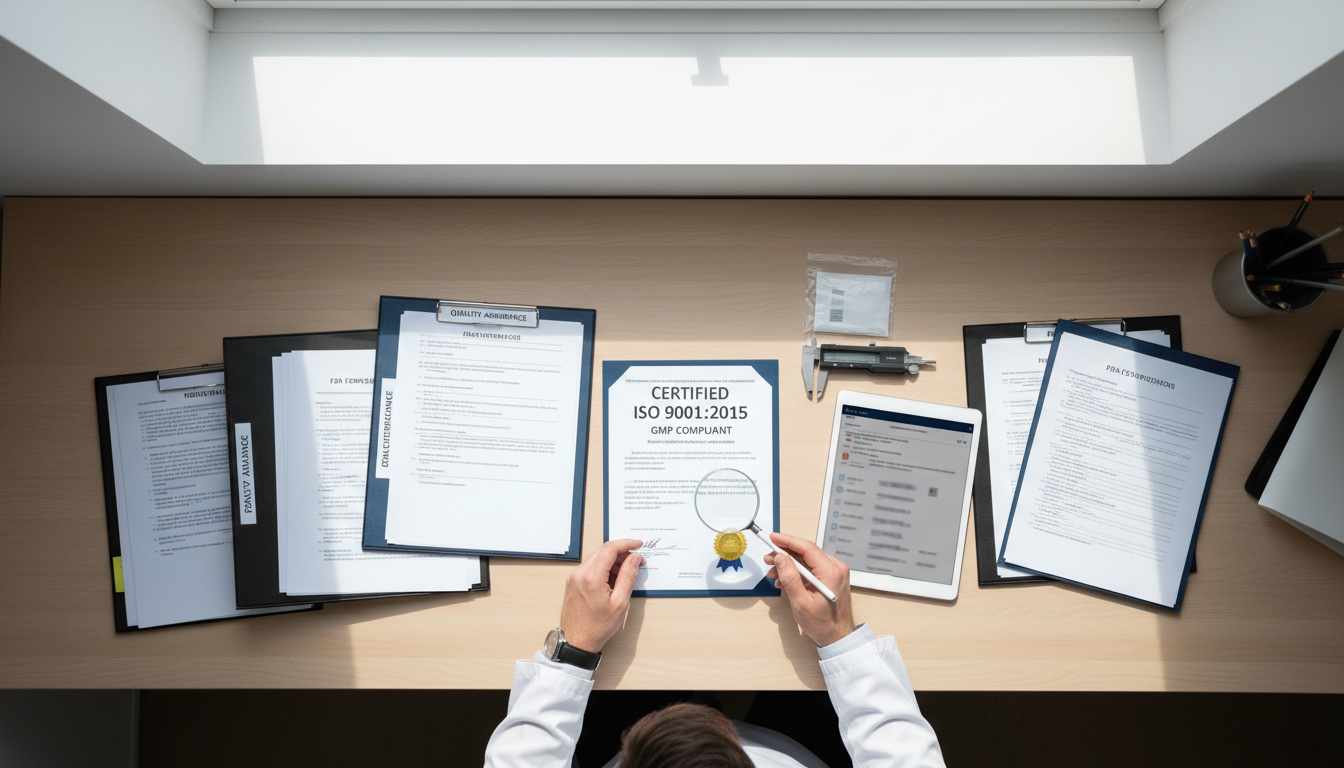
Many industries are governed by strict regulations and standards that mandate regular calibration. Compliance with these standards is crucial for both legal and quality assurance purposes. Regular calibration helps labs meet these regulatory requirements, ensuring that all processes and results adhere to the highest industry standards.
Failure to comply with regulatory standards can result in penalties, loss of accreditation, and damage to the lab’s reputation. Thus, maintaining a consistent calibration schedule is not only a matter of precision but also of compliance and credibility.
Improving Data Quality
Data quality is another critical aspect impacted by regular calibration. Accurate data is the backbone of scientific research and analysis. When lab equipment is calibrated regularly, the data produced is more reliable, leading to more valid conclusions and findings.
High-quality data allows researchers to make informed decisions, drive innovation, and contribute valuable insights to their field of study. In this way, regular calibration supports both the immediate goals of the lab and the broader objectives of scientific advancement.
Steps for Effective Calibration
To ensure effective calibration, laboratories should establish a detailed calibration plan. Here are some key steps:
- Identify all equipment that requires calibration.
- Determine the calibration frequency based on usage and manufacturer recommendations.
- Document each calibration process and maintain records for audits and reviews.
- Use qualified and certified calibration services when necessary.
Conclusion
Regular calibration is a fundamental aspect of lab management that impacts performance, efficiency, and compliance. By prioritizing calibration, labs can ensure accurate results, enhance operational efficiency, and maintain compliance with industry standards. Ultimately, this practice supports the production of high-quality data and fosters trust in scientific endeavors.