Exploring the Latest Trends in Laboratory Technology in Southeast Asia


Introduction to Laboratory Technology Trends
The field of laboratory technology is rapidly evolving, and Southeast Asia is at the forefront of this transformation. With a focus on innovation and efficiency, laboratories across the region are adopting the latest technologies to enhance research and diagnostic capabilities. This blog post explores some of the most exciting trends in laboratory technology in Southeast Asia.
Automation and Robotics
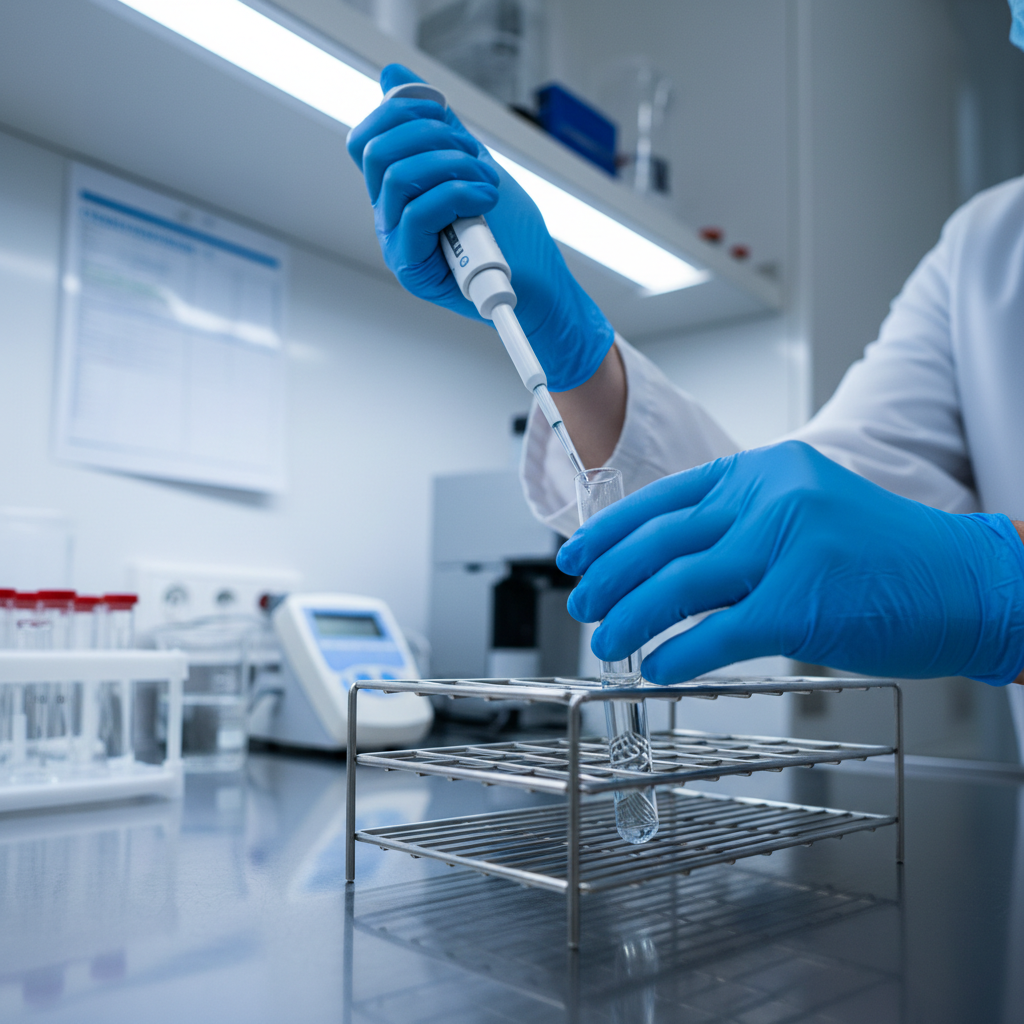
One of the most significant trends is the increasing use of automation and robotics. Laboratories are incorporating automated systems to handle repetitive tasks, which not only improves accuracy but also frees up valuable time for researchers to focus on complex analyses. Robotics are being utilized for sample handling, testing, and even the preparation of slides.
The implementation of these technologies is reducing human error and increasing the throughput of laboratory operations. As a result, laboratories are experiencing enhanced productivity and faster turnaround times for results.
Advanced Analytical Instruments
Another trend is the adoption of advanced analytical instruments. Southeast Asian laboratories are investing in state-of-the-art equipment such as mass spectrometers, chromatographs, and nuclear magnetic resonance (NMR) spectrometers. These instruments provide detailed insights into the chemical and physical properties of samples, enabling more precise and reliable analyses.

These advanced tools are crucial for fields like pharmaceuticals, environmental testing, and food safety, where accuracy and sensitivity are paramount. The versatility and precision of these instruments are driving innovation across various sectors.
Integration of Artificial Intelligence
Artificial Intelligence (AI) is making significant inroads into laboratory technology. AI algorithms are being used to analyze complex data sets, identify patterns, and even predict outcomes. This integration is enhancing the speed and accuracy of research, particularly in genomics and personalized medicine.
AI-driven software solutions are also being employed to streamline laboratory management processes, ensuring that resources are utilized efficiently and effectively.

Emphasis on Sustainability
Sustainability is becoming a priority in laboratory operations across Southeast Asia. Laboratories are adopting green technologies and practices to minimize their environmental impact. This includes the use of energy-efficient equipment, waste reduction strategies, and sustainable sourcing of materials.
By focusing on sustainability, laboratories are not only reducing their carbon footprint but also aligning with global environmental standards and regulations.
Collaborative Research Platforms
The trend towards collaborative research is also gaining momentum. Laboratories in Southeast Asia are forming partnerships with academic institutions, industry players, and international organizations. These collaborations are fostering innovation and knowledge exchange, leading to groundbreaking discoveries and advancements.

By working together, laboratories can leverage shared resources and expertise, accelerating the pace of scientific progress in the region.
Conclusion
The laboratory technology landscape in Southeast Asia is dynamic and rapidly changing. With advancements in automation, analytical instruments, AI integration, sustainability, and collaborative platforms, the region is set to become a leader in cutting-edge laboratory research and diagnostics. As these trends continue to evolve, they will undoubtedly pave the way for more innovative solutions in the future.