Exploring the Latest Trends in Laboratory Technology in Southeast Asia


The landscape of laboratory technology in Southeast Asia is rapidly evolving, driven by advancements in digital solutions and increasing demand for innovative healthcare services. As countries in the region continue to develop economically, there is a growing emphasis on enhancing laboratory infrastructure and capabilities.
The Rise of Digitalization in Laboratories
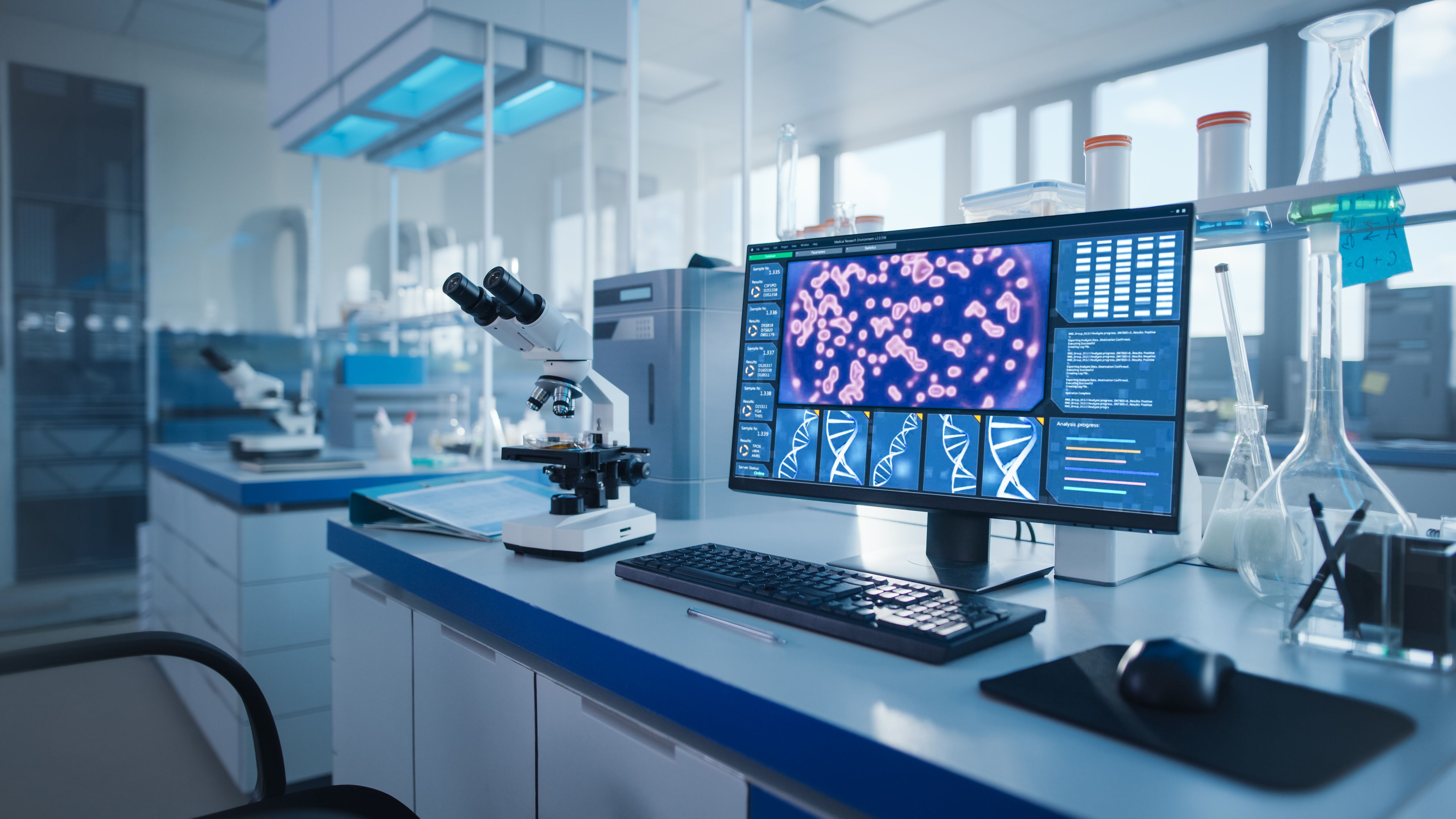
One of the most significant trends in Southeast Asian laboratories is the adoption of digital technologies. Laboratories are increasingly implementing Laboratory Information Management Systems (LIMS) to streamline operations. These systems enhance data management, improve efficiency, and reduce human error. Laboratories are also leveraging cloud-based solutions for real-time data access and collaboration.
Moreover, the integration of artificial intelligence (AI) is transforming diagnostics. AI algorithms are being used to analyze complex data sets, leading to faster and more accurate results. This is particularly beneficial in fields like pathology and genomics, where precision is crucial.

Automation: Enhancing Efficiency and Accuracy
Automation is becoming increasingly prevalent in laboratories across Southeast Asia. Automated systems for sample processing, testing, and analysis are being widely adopted. These systems not only increase throughput but also enhance the accuracy and reliability of results.
Laboratories are investing in automated robotic systems to handle repetitive tasks, allowing human resources to focus on more complex analyses. This shift is essential in coping with the growing demand for laboratory services, especially during health crises like the COVID-19 pandemic.

Focus on Sustainability and Green Practices
As environmental concerns rise, laboratories in Southeast Asia are adopting sustainable practices. There is a growing emphasis on reducing waste, conserving energy, and using eco-friendly materials. Many laboratories are implementing green certification programs to ensure their operations are environmentally responsible.
Efforts are being made to minimize the use of hazardous chemicals and enhance waste disposal methods. These initiatives not only contribute to environmental conservation but also improve workplace safety for laboratory personnel.

Collaborative Research and Development
The trend of collaboration in research and development is gaining momentum in the region. Laboratories are partnering with academic institutions, government bodies, and private companies to drive innovation. These collaborations lead to the sharing of resources, expertise, and data, fostering an environment of innovation and growth.
Such partnerships are particularly crucial for addressing regional health challenges and developing new treatments and solutions. Collaborative efforts are pivotal in accelerating research and bringing new technologies to market.

Future Prospects and Challenges
While the advancements in laboratory technology in Southeast Asia are promising, there are challenges to address. These include the need for skilled professionals, infrastructure development, and regulatory compliance. However, with continued investment and focus on innovation, the region is poised to become a leader in laboratory technology.
In summary, the laboratory technology landscape in Southeast Asia is undergoing a significant transformation. With ongoing advancements in digitalization, automation, sustainability, and collaboration, the future looks promising. These developments are not only enhancing laboratory capabilities but also contributing to improved healthcare outcomes across the region.