Expert Tips for Maintaining Lab Equipment: A Comprehensive Guide


Understanding the Importance of Lab Equipment Maintenance
Maintaining laboratory equipment is crucial for ensuring accurate results, extending the lifespan of instruments, and maintaining a safe working environment. Regular maintenance helps prevent breakdowns and reduces the risk of costly repairs. By implementing a consistent maintenance schedule, labs can save both time and money.
Developing a Maintenance Schedule
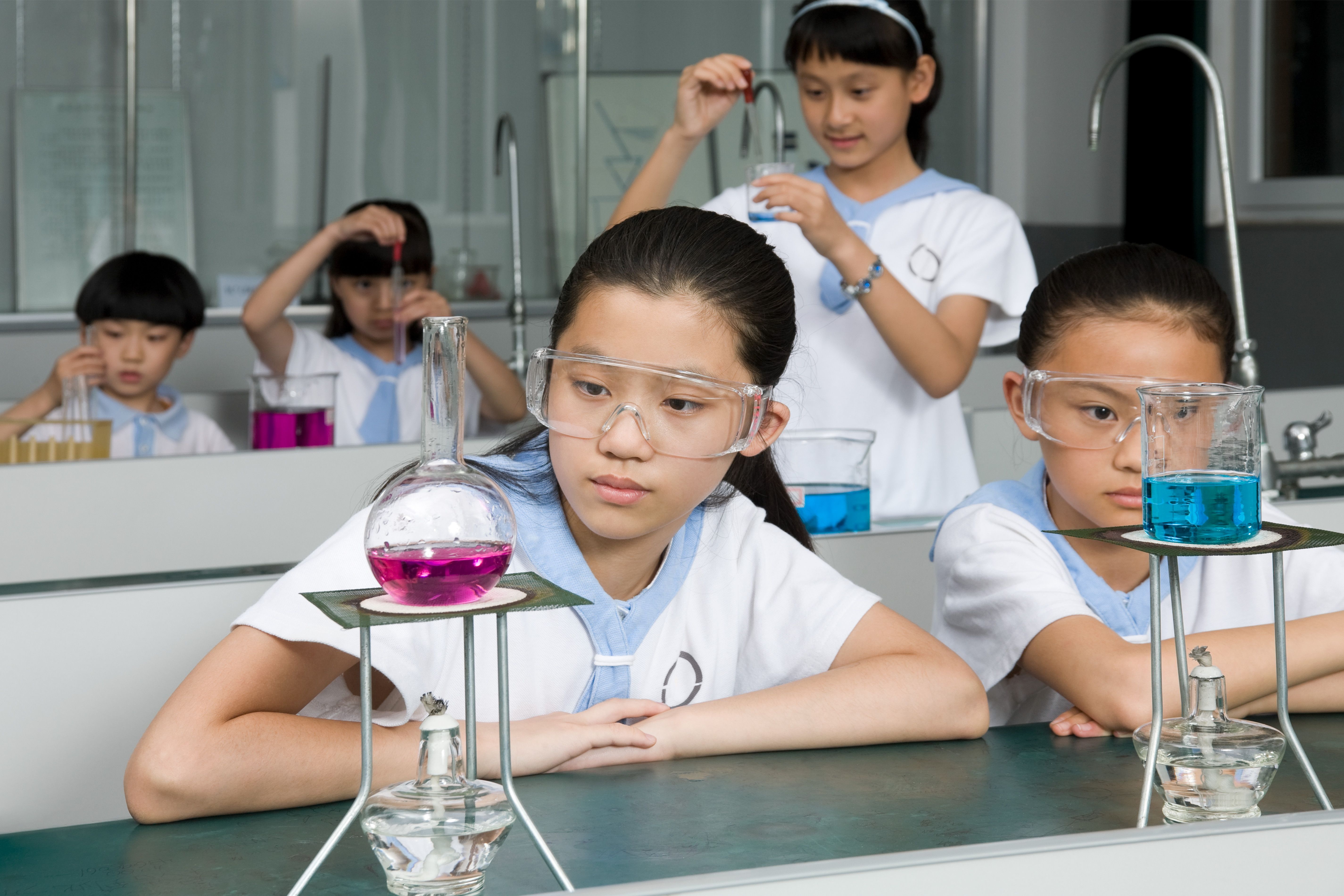
Creating a detailed maintenance schedule is the first step in safeguarding your lab equipment. This schedule should outline routine checks, cleaning procedures, and calibration timelines. It’s essential to tailor the schedule to the specific needs of each piece of equipment, taking into account manufacturer recommendations and the frequency of use.
Incorporating a digital tracking system can help organize and remind staff of upcoming maintenance tasks. This system can also record historical data, which is useful for identifying patterns or recurring issues with specific equipment.
Regular Cleaning and Calibration
Regular cleaning of lab equipment prevents contamination and ensures accuracy. Each piece of equipment has specific cleaning requirements, so it’s important to follow the manufacturer’s guidelines carefully. Using the right cleaning agents and techniques helps maintain the integrity of the equipment.
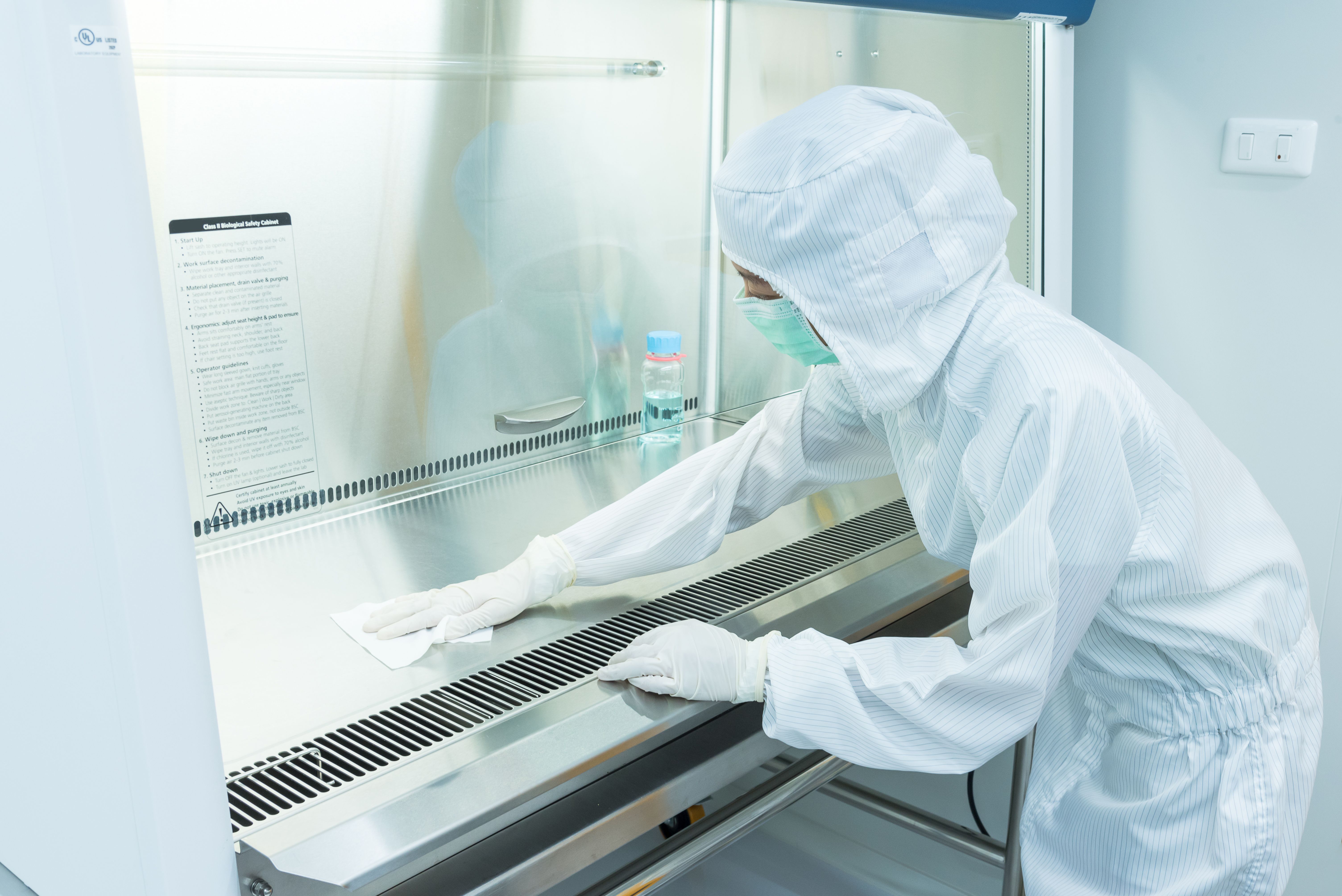
Calibration should be performed at regular intervals to ensure that instruments are providing precise measurements. Uncalibrated equipment can lead to significant errors in data, which might compromise the integrity of research results. Documenting calibration activities is also crucial for compliance and quality control.
Training and Empowering Staff
Ensuring that lab staff are well-trained in equipment maintenance is vital. Training should cover proper handling, cleaning procedures, and troubleshooting common issues. Empowering staff with the knowledge and skills to maintain equipment can greatly enhance the efficiency and safety of the lab environment.
Additionally, fostering a culture of responsibility and accountability among staff members encourages diligent maintenance practices. Regular workshops and refresher courses can help keep everyone updated on best practices and new technologies.
Utilizing Professional Services
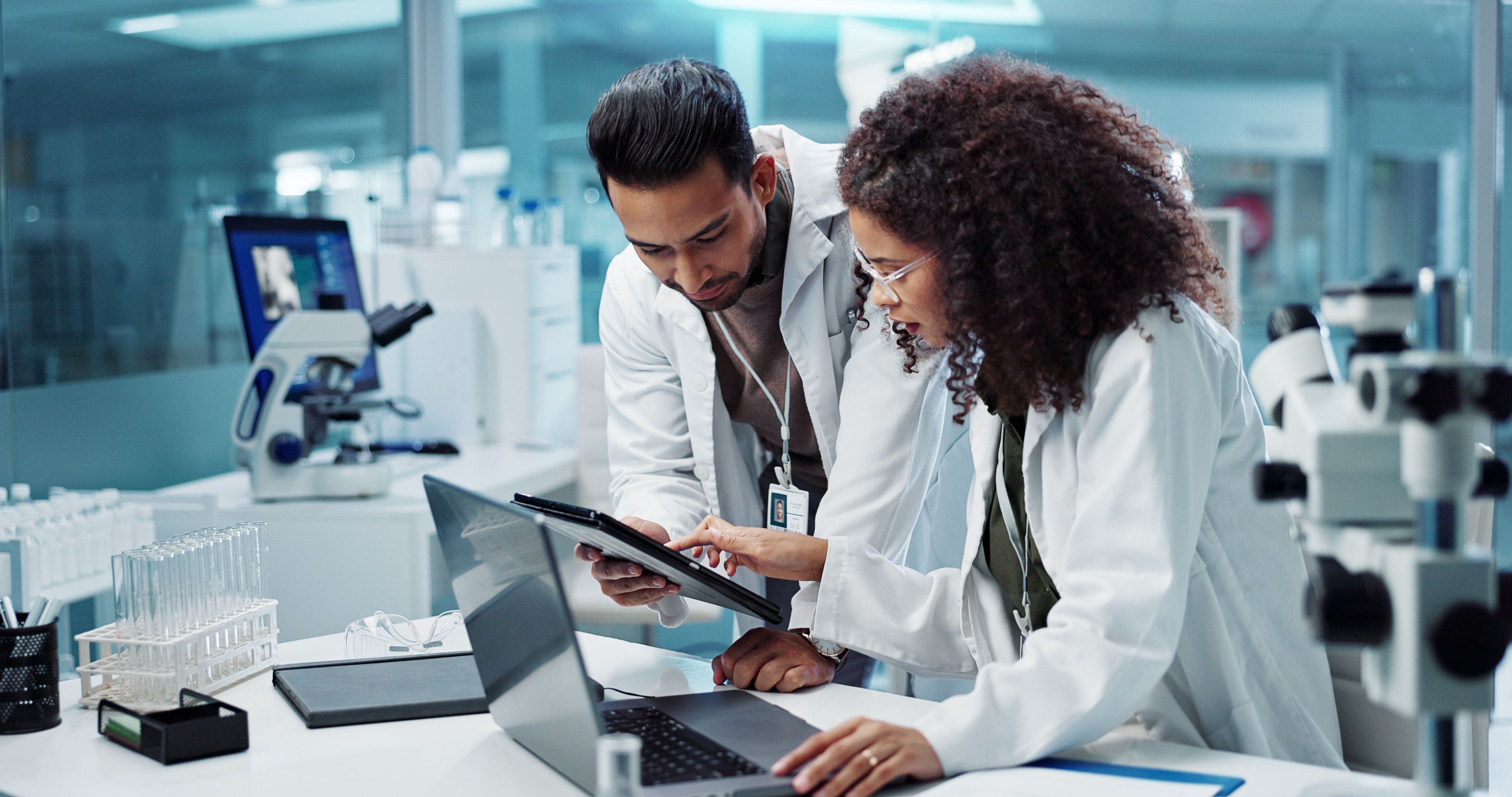
While in-house maintenance is essential, there are times when professional servicing is required. Engaging with certified technicians for complex repairs or annual maintenance can ensure that equipment is functioning at its best. These professionals possess the expertise to diagnose and fix issues that might be beyond the scope of the lab staff.
Investing in professional services can also provide peace of mind, knowing that equipment is in optimal condition and compliant with industry standards.
Conclusion
Maintaining lab equipment is an ongoing process that requires diligence, organization, and expertise. By developing a robust maintenance plan, training staff effectively, and occasionally utilizing professional services, labs can ensure the longevity and reliability of their equipment. These efforts not only protect valuable investments but also support the integrity and success of scientific research.