Expert Tips for Extending the Lifespan of Your Lab Equipment


Regular Maintenance
One of the most effective ways to extend the lifespan of your lab equipment is through regular maintenance. Establish a routine maintenance schedule to ensure that all equipment is functioning optimally. This includes cleaning, calibrating, and inspecting for any wear and tear. Regular maintenance not only extends the equipment's life but also enhances its performance.
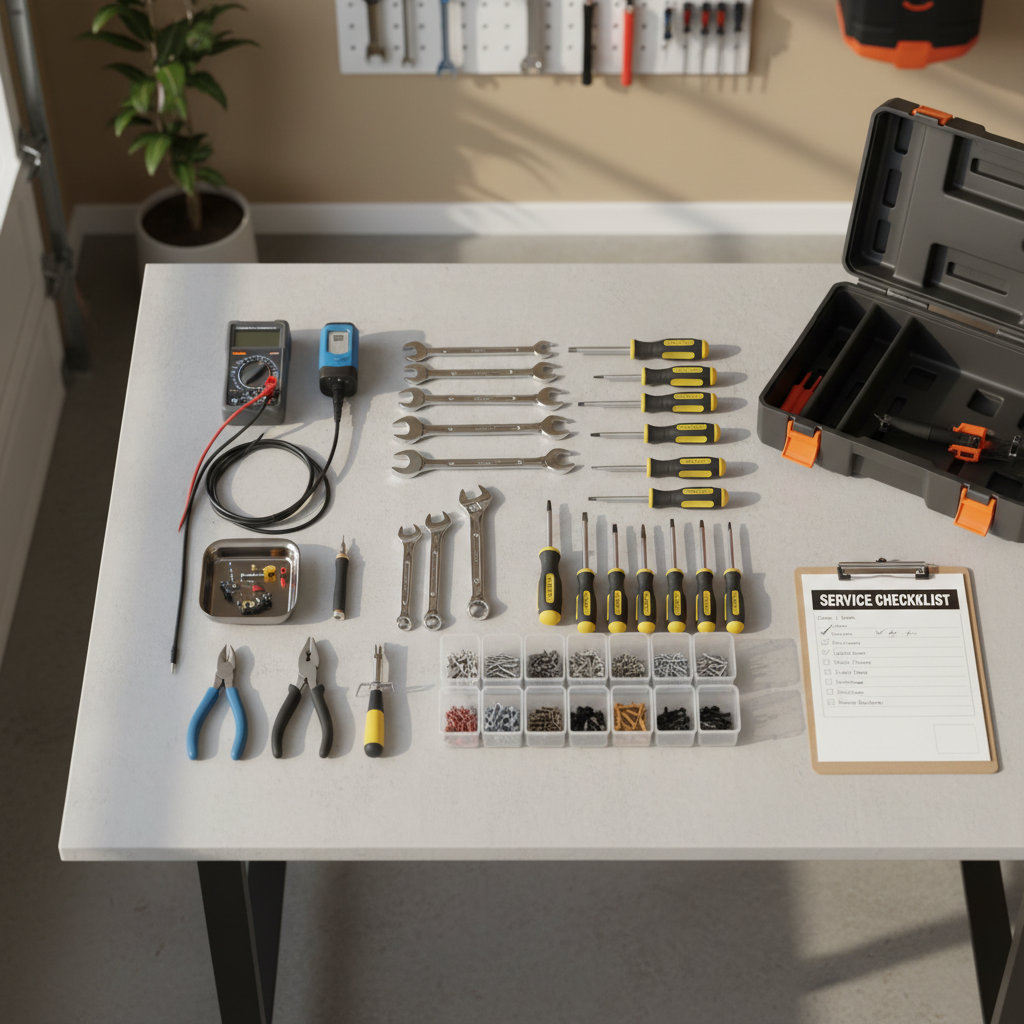
Consider setting reminders for specific tasks such as replacing filters, lubricating moving parts, and checking for software updates. By staying proactive, you can prevent minor issues from escalating into costly repairs.
Proper Usage and Handling
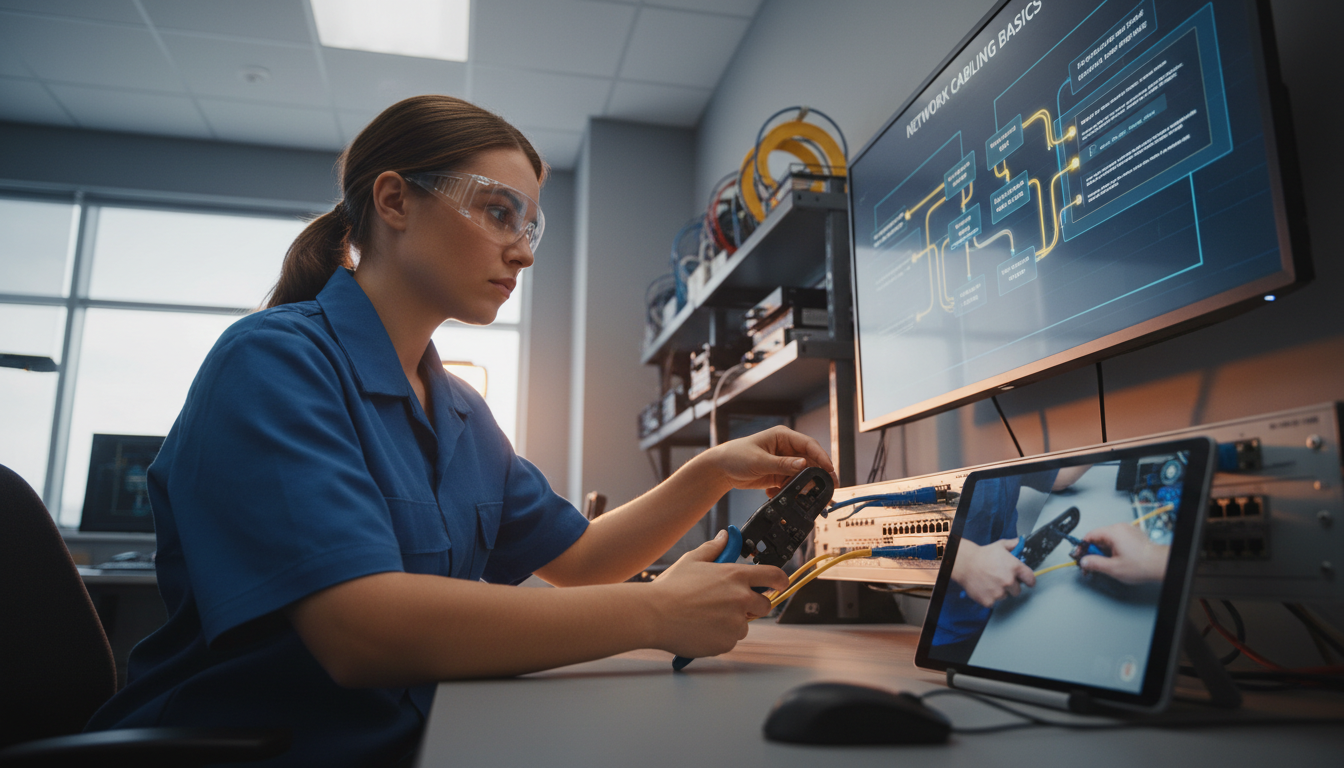
Understanding the correct usage of lab equipment is crucial. Always follow the manufacturer's instructions and guidelines. Incorrect handling can lead to premature wear or even irreversible damage. Ensure that all users are properly trained and aware of the operational protocols for each piece of equipment.
Implementing a training program can be beneficial. Regularly update training materials and sessions to accommodate any changes in equipment or procedures. This proactive approach minimizes misuse and extends the equipment's lifespan.
Environmental Control
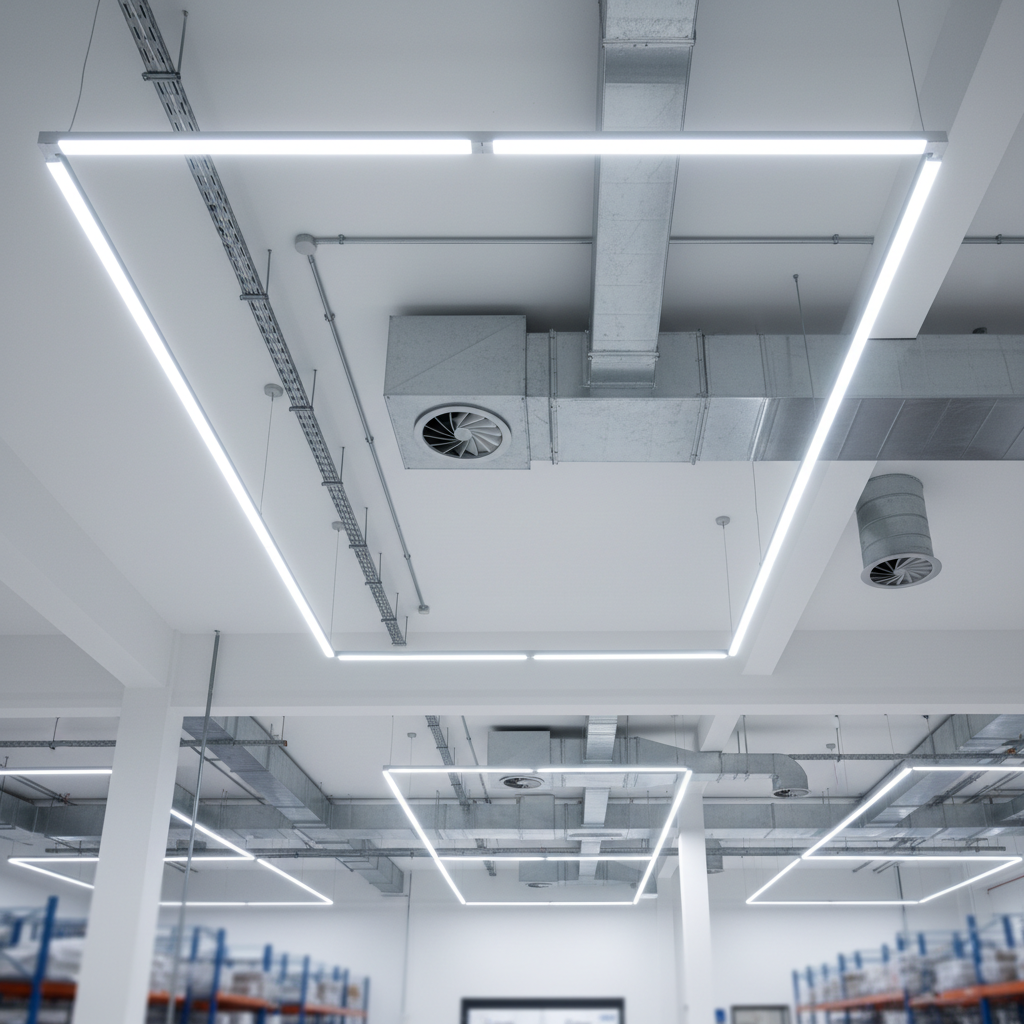
Environmental factors such as temperature, humidity, and cleanliness can significantly impact the longevity of lab equipment. Ensure that the lab environment is controlled and that equipment is stored properly. High humidity can cause rusting, while excessive dust can clog sensitive components.
Invest in climate control systems and air filtration to maintain a stable environment. Regularly check and adjust settings to align with the manufacturer's recommendations for optimal performance.
Quality Parts and Supplies
Using high-quality parts and supplies is essential in prolonging the life of your lab equipment. Substandard materials can cause damage and lead to frequent breakdowns. Always source replacement parts and consumables from reputable suppliers who adhere to quality standards.
Keep an inventory of essential parts and supplies to avoid downtime during maintenance checks. This ensures that equipment is always ready for use and reduces the likelihood of unexpected failures.
Documentation and Record Keeping
Maintaining detailed records of all maintenance activities, repairs, and replacements is vital. This documentation helps track the equipment's history and identify patterns that may indicate potential issues. It also assists in scheduling timely maintenance and budgeting for future expenses.
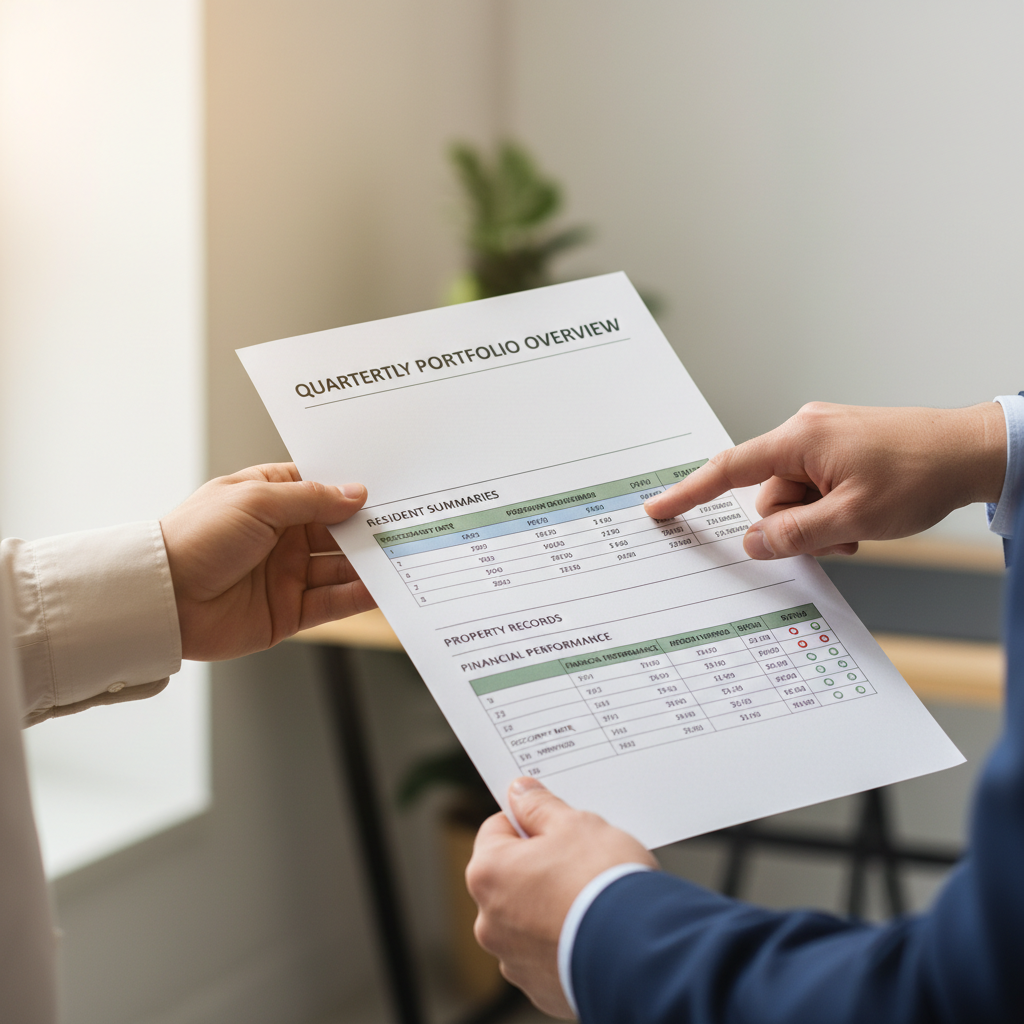
Use digital tools or software to streamline record-keeping processes. This ensures easy access to information and helps in making informed decisions regarding equipment management.