Expert Tips: Maintaining Laboratory Device Accuracy Through Regular Calibration


Understanding the Importance of Calibration
Maintaining the accuracy of laboratory devices is crucial for precise results and reliable data. Regular calibration ensures that instruments perform at their best, minimizing errors and enhancing the overall quality of laboratory work. Calibration is not just a routine task but a fundamental aspect of laboratory management.
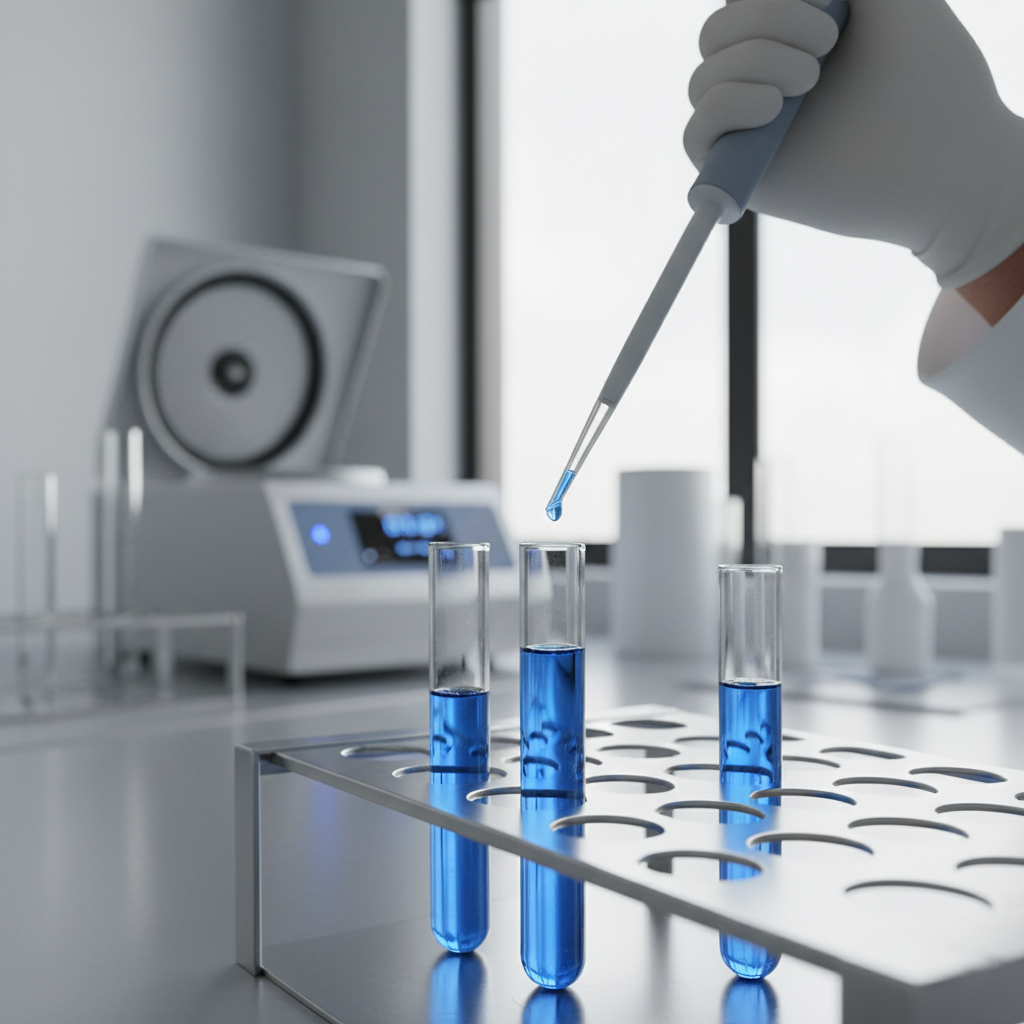
Calibration involves adjusting the device to align with a known standard, ensuring that measurements are accurate. This process is vital for maintaining the integrity of experimental data and complying with industry regulations. Without regular calibration, laboratories risk generating inaccurate data, leading to potential errors in research and analysis.
Setting Up a Calibration Schedule
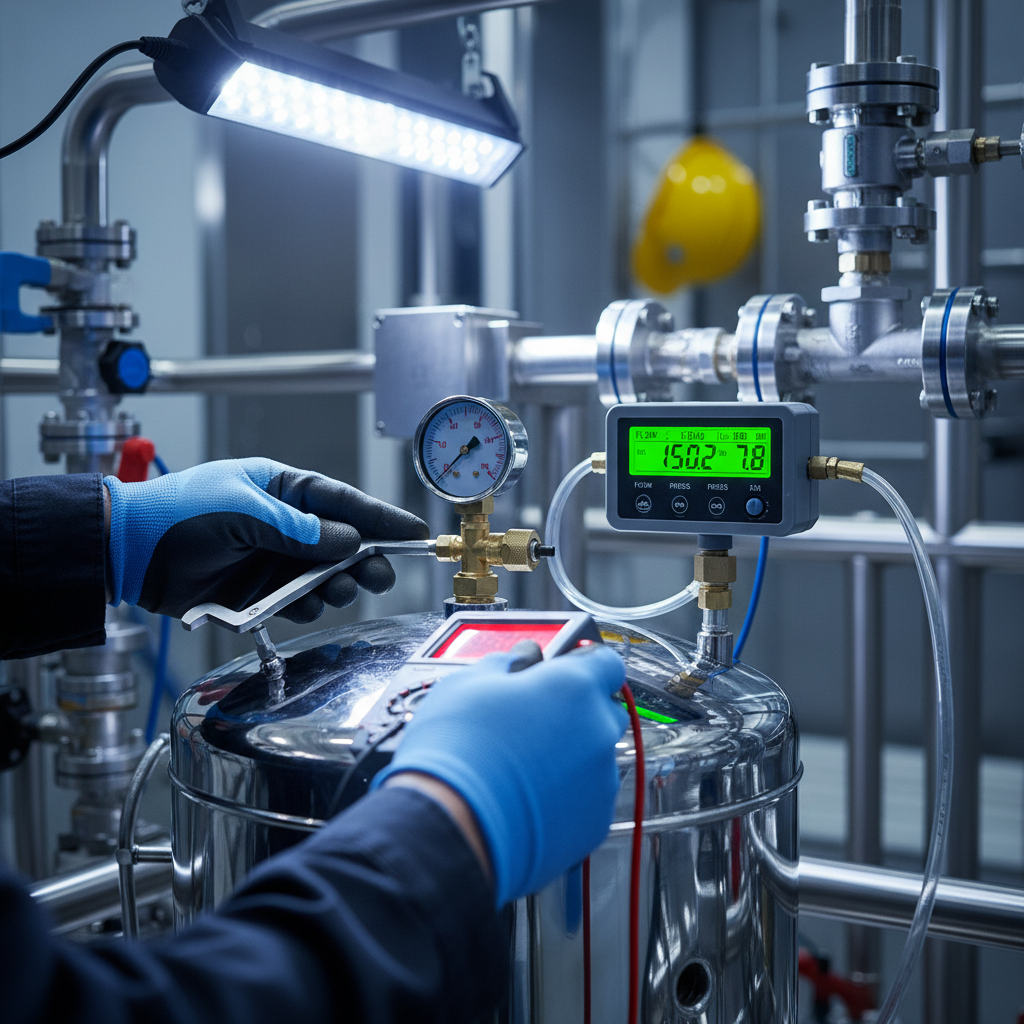
One of the most effective ways to maintain device accuracy is by setting up a regular calibration schedule. This proactive approach helps in identifying and correcting discrepancies before they lead to significant errors. A well-planned schedule ensures that all equipment is calibrated at appropriate intervals, reducing the risk of downtime and maintaining operational efficiency.
Consider factors such as the frequency of use, manufacturer recommendations, and the critical nature of the measurements when determining the calibration schedule. Some devices may require monthly checks, while others might need calibration less frequently. Consistency is key to maintaining precision.
Choosing the Right Calibration Standards
Using the correct calibration standards is essential for achieving accurate results. Calibration standards should be traceable to national or international standards, providing a benchmark for your instruments. Ensure that the standards are compatible with the specific requirements of your laboratory equipment.
Documenting Calibration Procedures
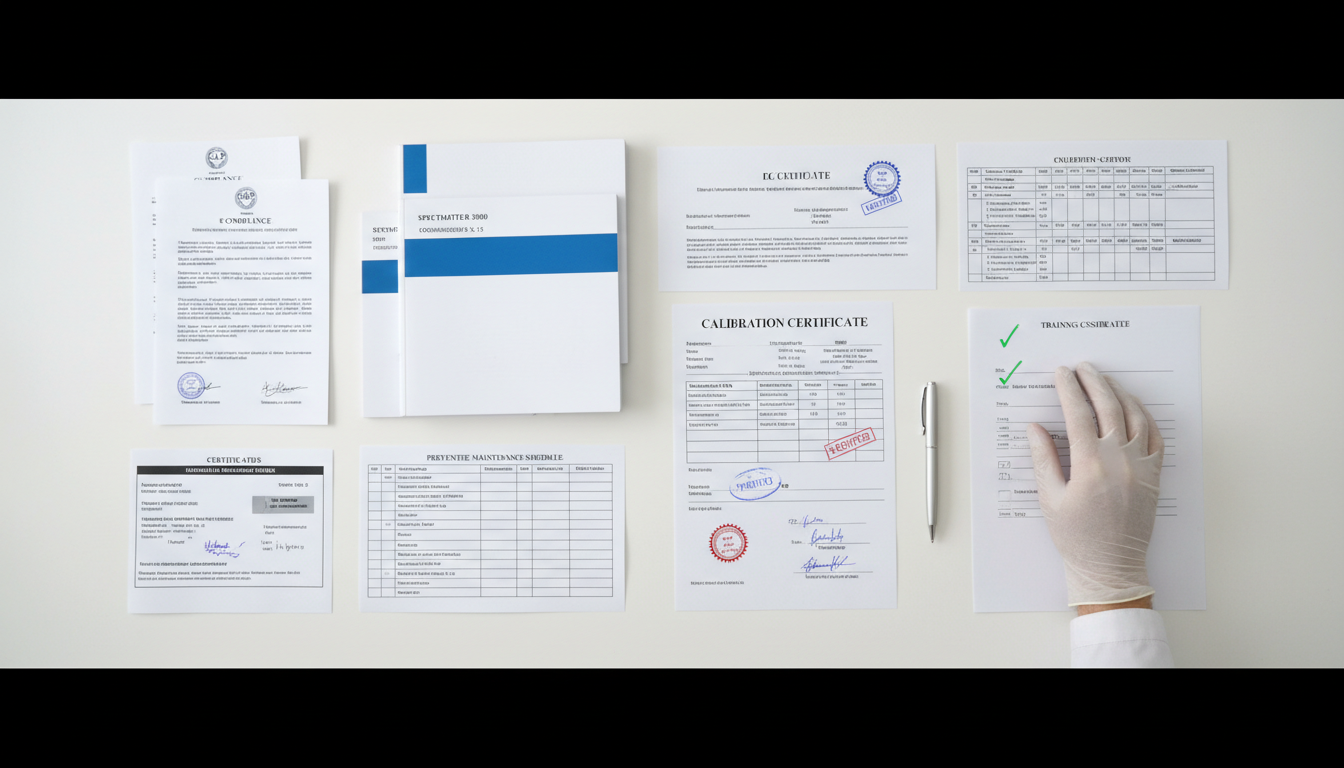
Proper documentation of calibration procedures is crucial for traceability and accountability. Maintain detailed records of each calibration session, including the date, results, and any adjustments made. This documentation serves as a reference for future calibrations and audits, and it helps in identifying trends or recurring issues with specific devices.
Utilize digital tools and software to streamline the documentation process, making it easier to store and retrieve calibration records. Consistent record-keeping enhances transparency and reliability, fostering a culture of accuracy and precision within the laboratory.
Training Staff on Calibration Techniques
Training staff on proper calibration techniques is essential for maintaining device accuracy. Ensure that your team understands the importance of calibration and is equipped with the skills to perform it correctly. Regular training sessions can help in keeping the team updated with the latest calibration standards and practices.
Invest in training programs that cover both theoretical and practical aspects of calibration. This investment not only improves the quality of work but also boosts the confidence of your team, enabling them to handle calibration tasks efficiently and effectively.
Utilizing Professional Calibration Services
In some cases, it may be beneficial to enlist professional calibration services. These experts have the expertise and equipment to perform precise calibrations, especially for complex or highly sensitive devices. External services can provide an additional layer of assurance, ensuring that your laboratory devices meet the highest standards of accuracy.
Regular calibration, whether performed internally or outsourced, is a small investment that pays off in the form of reliable and accurate data, underpinning the success of your laboratory's operations.