DIY Maintenance Tips for Your Lab Equipment


Understanding the Importance of Regular Maintenance
Proper maintenance of lab equipment is crucial for ensuring accurate results and prolonging the lifespan of your tools. Regular upkeep can prevent costly repairs and replacements, allowing your lab to function efficiently. By implementing a few DIY maintenance tips, you can keep your equipment in top shape.

Develop a Maintenance Schedule
Creating a maintenance schedule is the first step in keeping your lab equipment reliable. Identify which pieces of equipment require daily, weekly, or monthly attention. Consistency is key, and a schedule will help you keep track of necessary tasks.
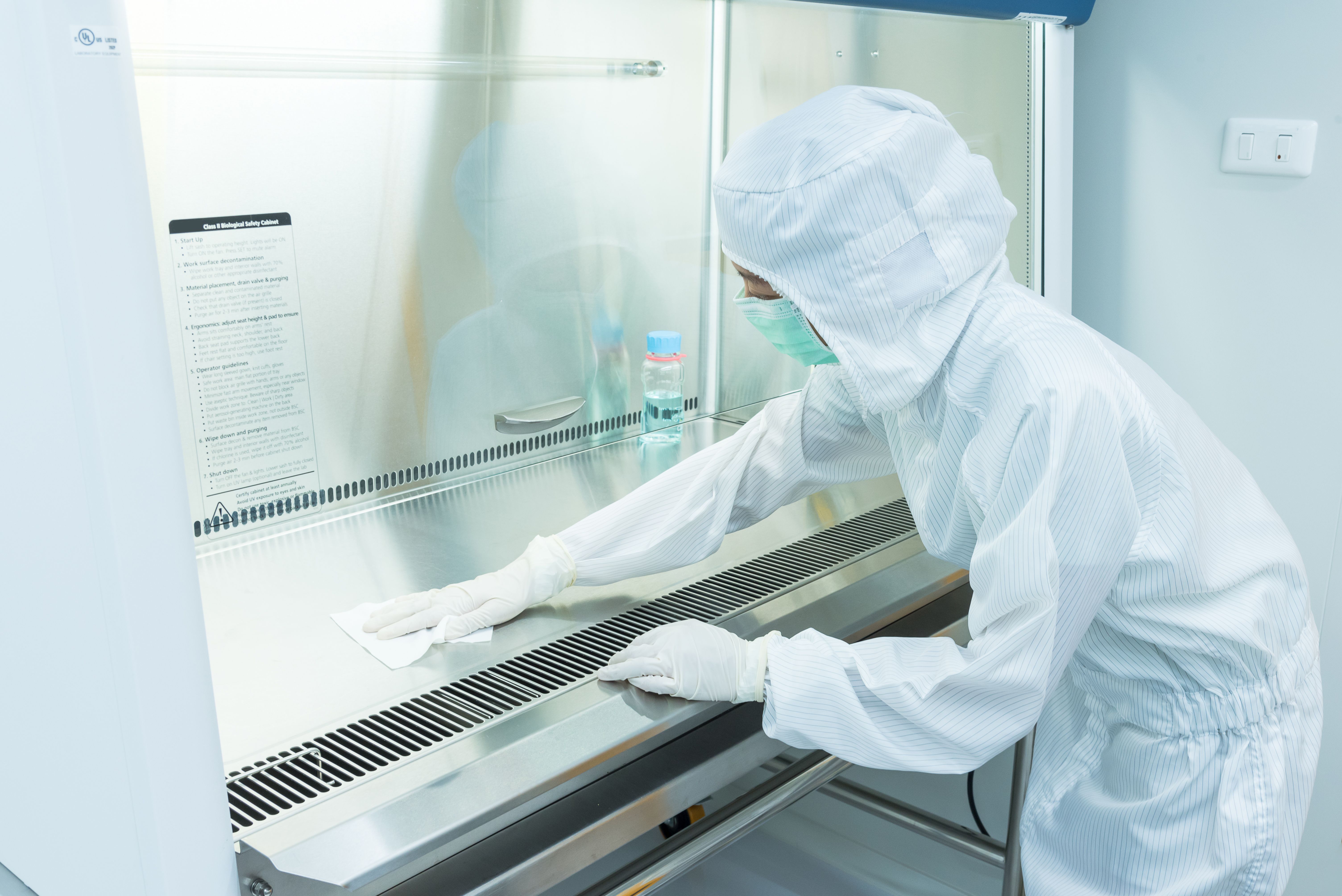
- Daily: Clean work surfaces and remove any spills or residues.
- Weekly: Check calibration and functionality of critical instruments.
- Monthly: Inspect equipment for wear and replace any worn-out parts.
Cleaning and Sterilization
Regular cleaning is essential for preventing contamination and ensuring accurate results. Use the appropriate cleaning agents recommended by the manufacturer for each piece of equipment. Pay special attention to instruments that come into direct contact with samples.
Always follow the manufacturer's guidelines for sterilization processes, especially for sensitive equipment like microscopes and spectrometers. Improper cleaning can lead to damage or inaccuracies.
Calibration and Testing
Calibration is essential for maintaining the precision of your measurements. Regularly test your equipment against known standards to ensure accuracy. Many instruments come with built-in calibration programs, but some may require manual adjustment.
For complex machinery, consider investing in calibration tools or software that can automate this process. This not only saves time but also reduces the risk of human error.
Inspection and Replacement of Parts
Regular inspection of your equipment can help identify potential issues before they become major problems. Look for signs of wear and tear, such as cracks, rust, or unusual noises. Replace any damaged parts immediately to prevent further damage.
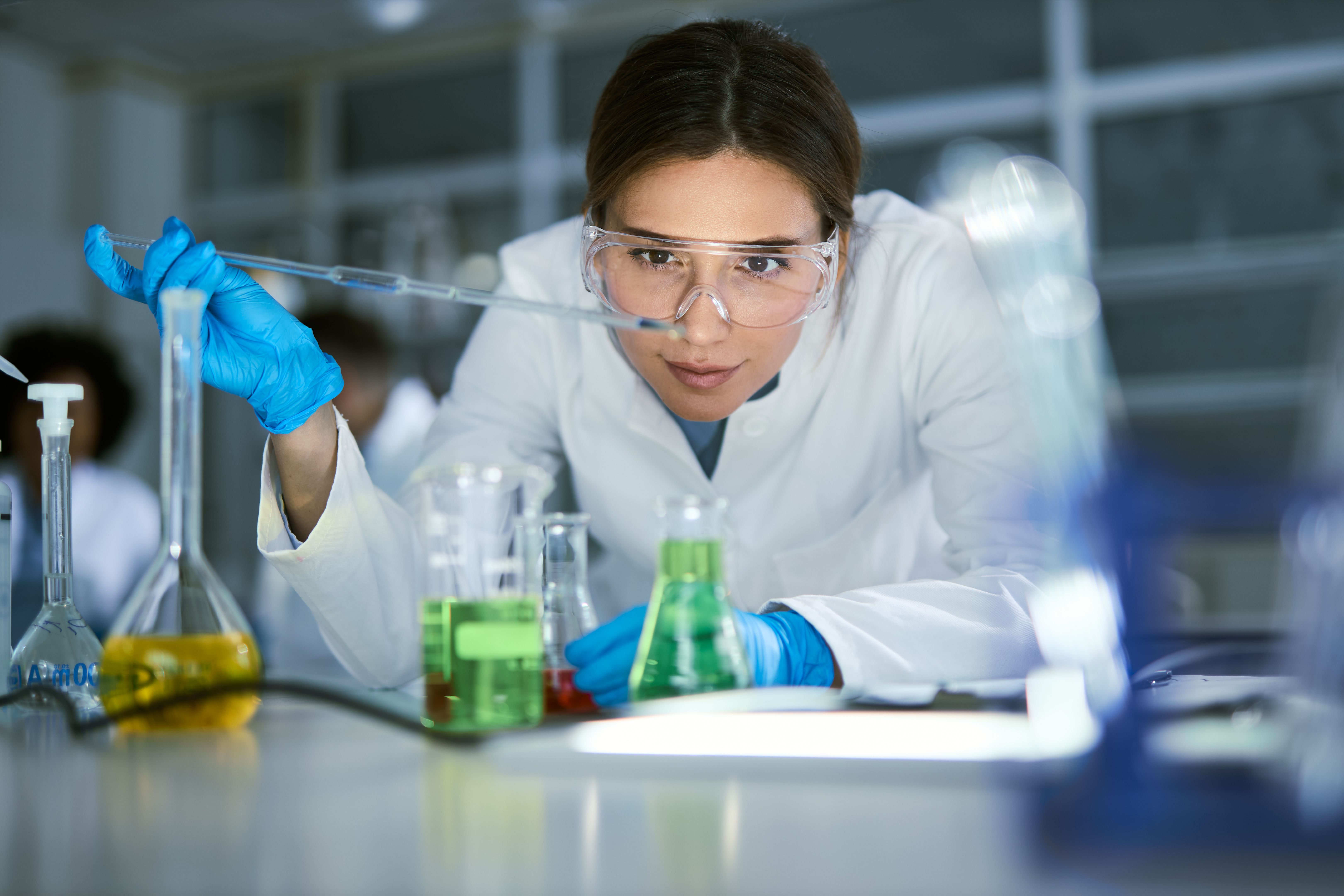
Having a stock of essential spare parts can minimize downtime. Items like fuses, gaskets, and filters should be readily available to quickly address any issues that arise.
Documenting Maintenance Activities
Keeping detailed records of all maintenance activities is vital. This documentation can help track the performance of your equipment over time and provide valuable insights into recurring issues.
Utilize digital tools or maintenance logbooks to record dates, tasks performed, and any observations. This information can be invaluable for troubleshooting and planning future maintenance activities.
Conclusion
By implementing these DIY maintenance tips, you can ensure that your lab equipment remains reliable and efficient. Regular maintenance not only saves money but also helps maintain the integrity of your research. Stay proactive, and your lab will thrive.