DIY Lab Equipment Maintenance Tips for Laboratories in Malaysia and Singapore


Maintaining lab equipment is crucial for the smooth operation of laboratories in Malaysia and Singapore. Regular maintenance not only ensures accuracy and precision but also extends the lifespan of the equipment. Here are some practical DIY maintenance tips to help you keep your lab running efficiently.
Regular Cleaning and Calibration
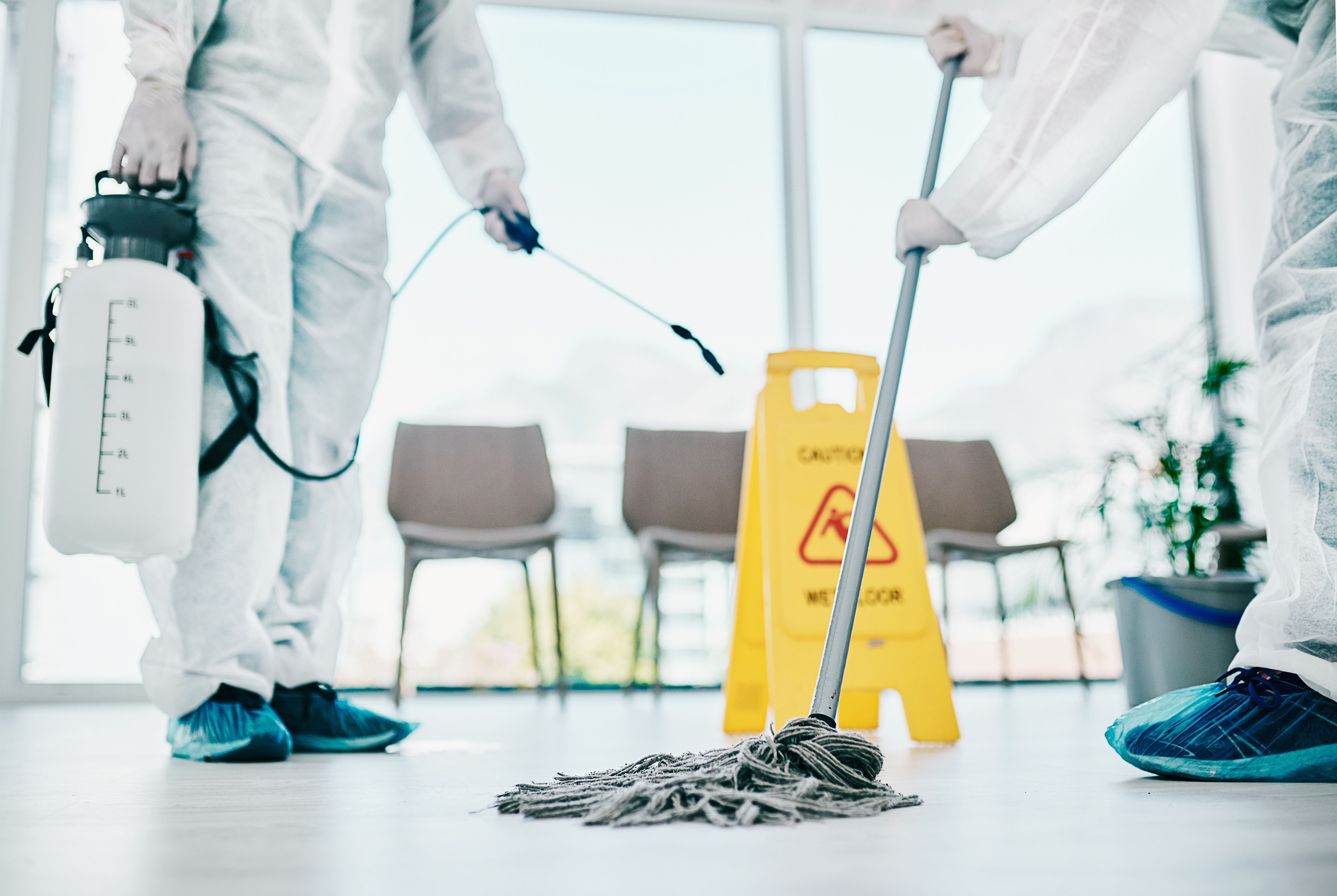
One of the most straightforward maintenance tasks is regular cleaning. Dust and residues can accumulate on equipment, affecting their performance. Use appropriate cleaning agents and follow the manufacturer's guidelines to prevent any damage. Equally important is the calibration of equipment, which should be performed regularly to maintain accuracy.
Calibrating balances, pipettes, and other precision instruments ensures that your measurements remain reliable. Keep a log of calibration activities to track when each piece of equipment was last calibrated.
Inspection and Troubleshooting
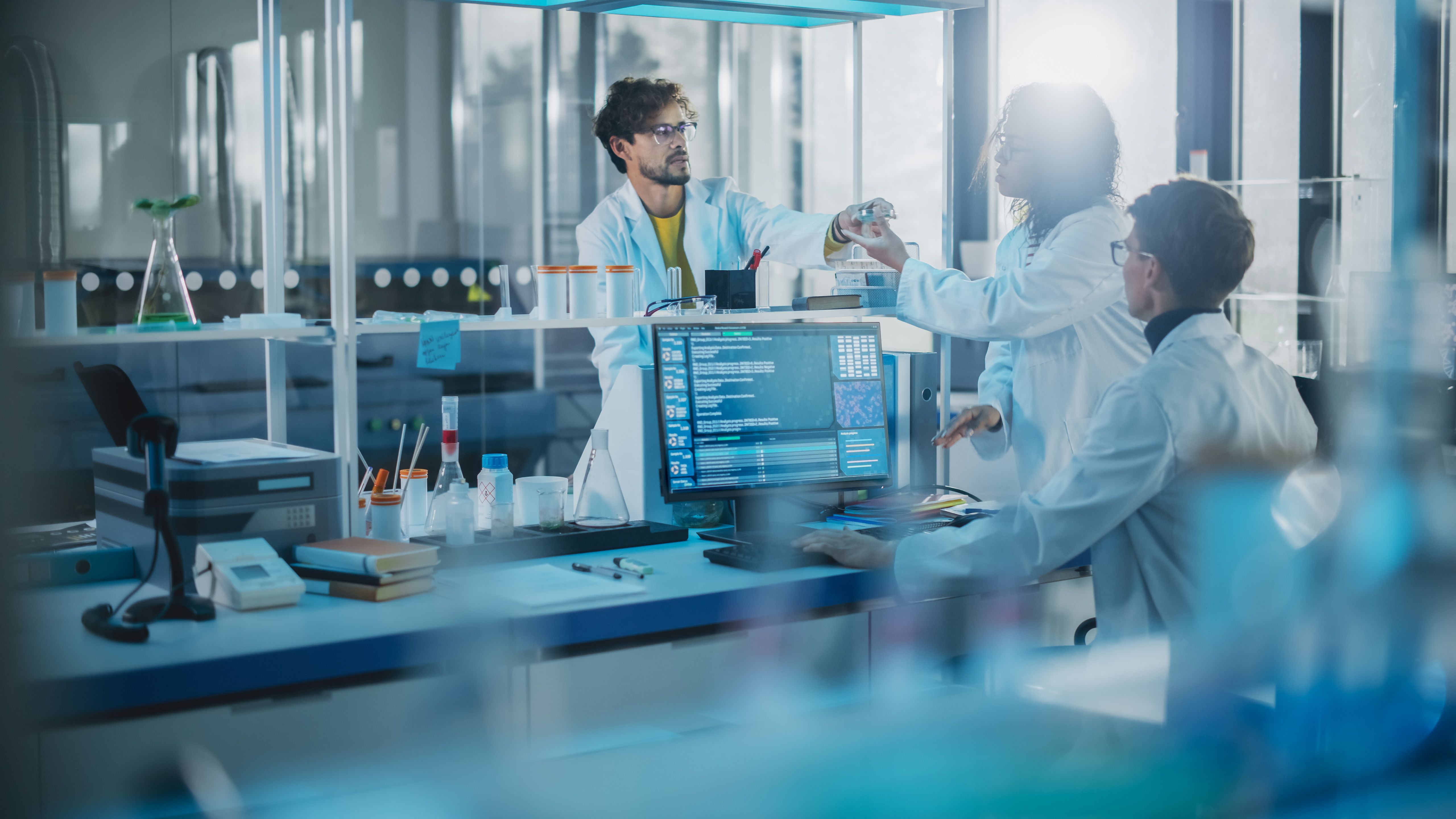
Routine inspections are vital for identifying potential issues before they become serious problems. Check for wear and tear, loose connections, and any signs of damage. Early detection can save time and money by preventing major repairs.
Common Issues and Solutions
Some common issues include fluctuating readings, unusual noises, or overheating. If you encounter these problems, consult the equipment manual for troubleshooting steps. Often, these issues can be resolved with simple adjustments or part replacements.
Proper Storage and Handling
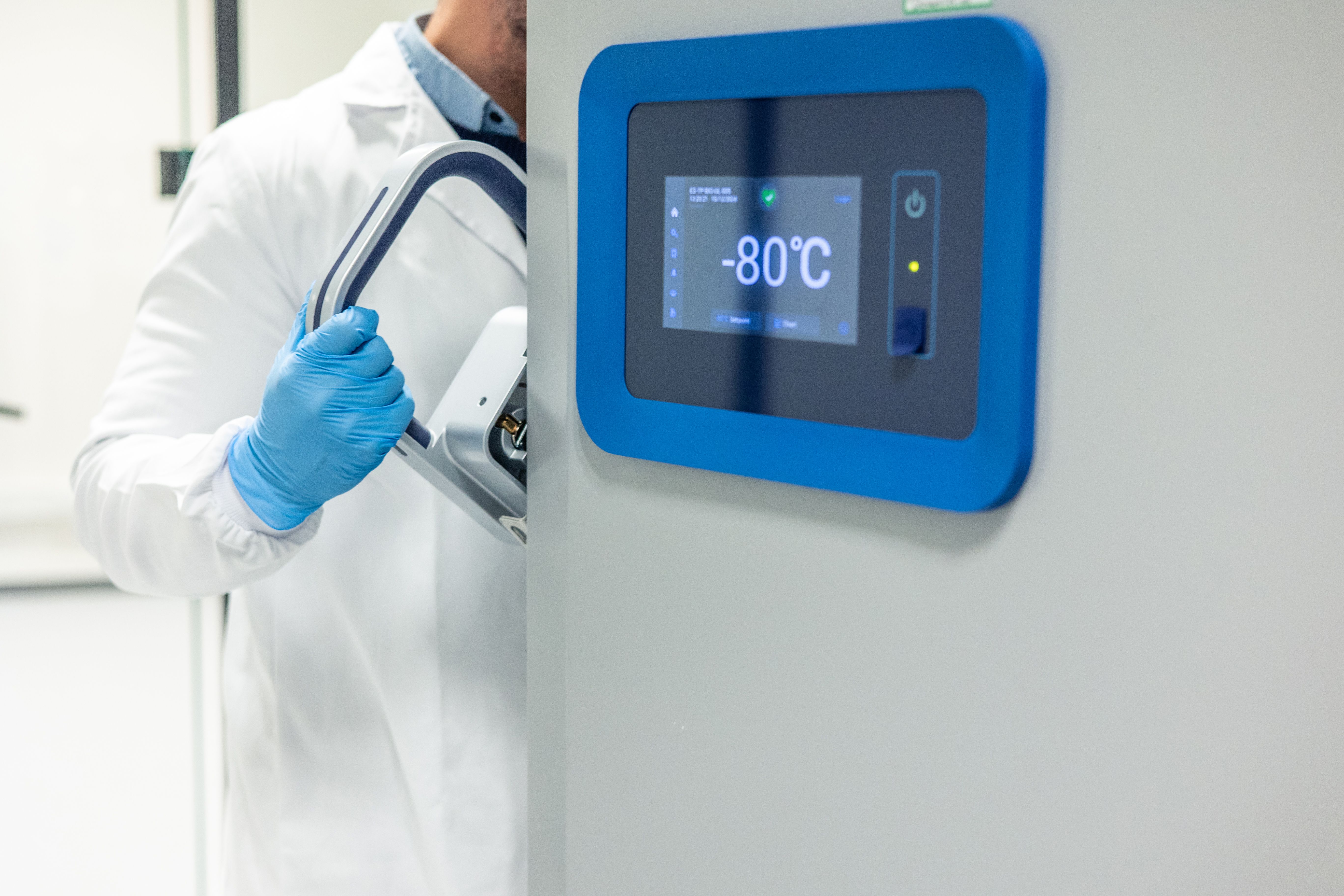
How you store and handle your lab equipment can significantly impact its longevity. Ensure that all equipment is stored in a clean, dry environment, free from extreme temperatures and humidity. Use protective covers when necessary to shield sensitive devices from dust and contaminants.
- Store glassware in designated racks to prevent breakage.
- Keep electronic devices away from water sources.
- Label and organize tools for easy access and reduced handling time.
Documentation and Training
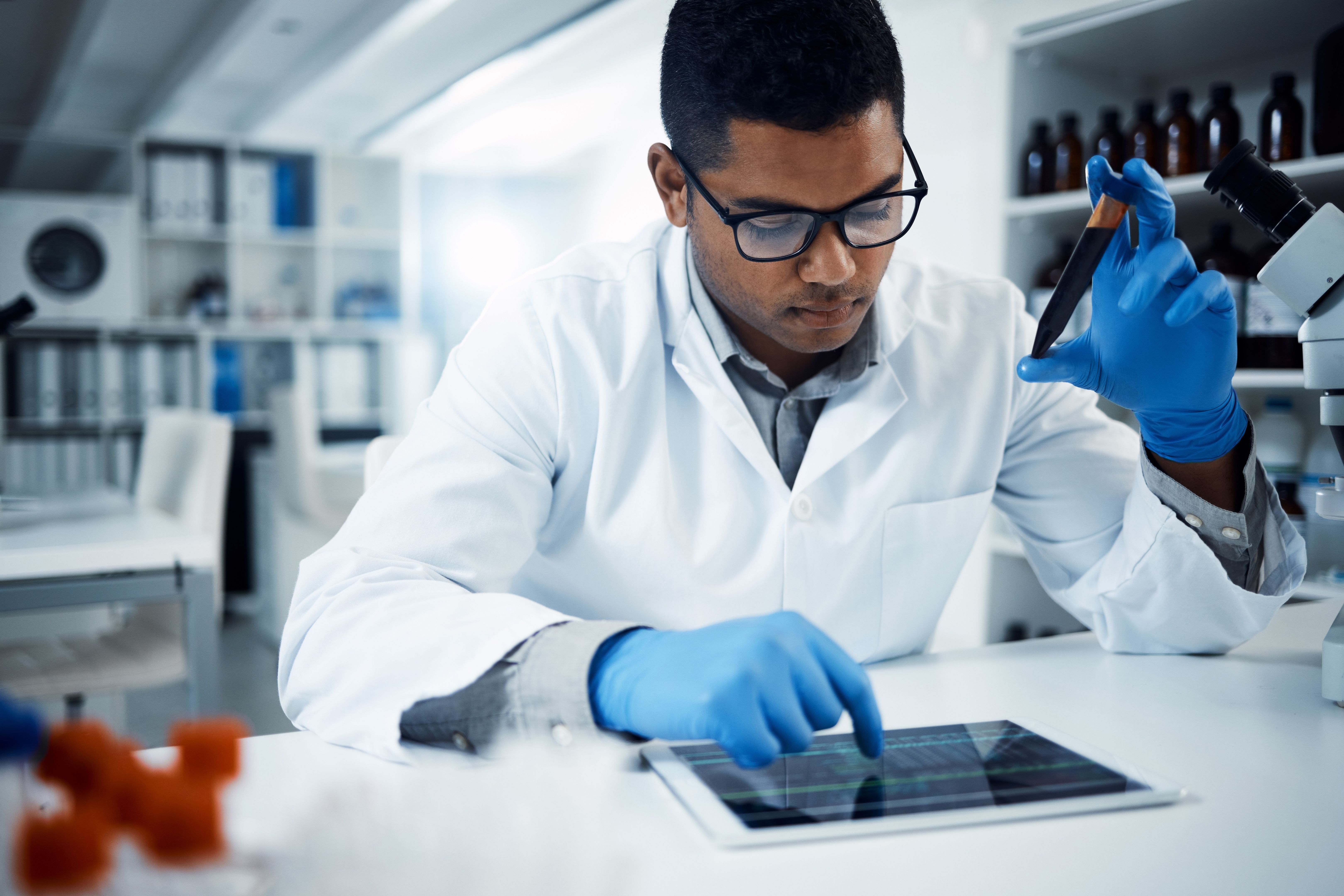
Maintaining detailed records of all maintenance activities is essential. Documentation helps track the history of each piece of equipment and ensures compliance with regulatory standards. Training staff in proper maintenance procedures is equally important to ensure that everyone is equipped with the knowledge to perform basic maintenance tasks.
Consider setting up a maintenance schedule and checklist that outlines routine tasks and responsibilities. Regular training sessions can keep your team updated on best practices and new techniques.
Conclusion
By implementing these DIY maintenance tips, laboratories in Malaysia and Singapore can enhance the efficiency and reliability of their equipment. Regular cleaning, proper storage, routine inspections, and well-documented maintenance activities are key to prolonging the lifespan of your lab equipment. A proactive approach to maintenance not only saves costs but also ensures the success of your scientific endeavors.