DIY Calibration Techniques: When to Call the Experts


Understanding DIY Calibration
Calibration is crucial for maintaining the accuracy and efficiency of various devices and instruments. Whether you're dealing with a home thermometer or a sophisticated piece of lab equipment, ensuring that your tools are properly calibrated can make a significant difference in their performance. While many people opt for professional calibration services, there are several DIY techniques you can use to handle simple calibrations yourself.
Before diving into DIY methods, it's important to understand the basics of calibration. Calibration involves adjusting and verifying the accuracy of a device by comparing it with a standard. This process helps ensure that your measurements are as accurate as possible. While DIY approaches can be cost-effective, they require a good understanding of the equipment and the calibration process.
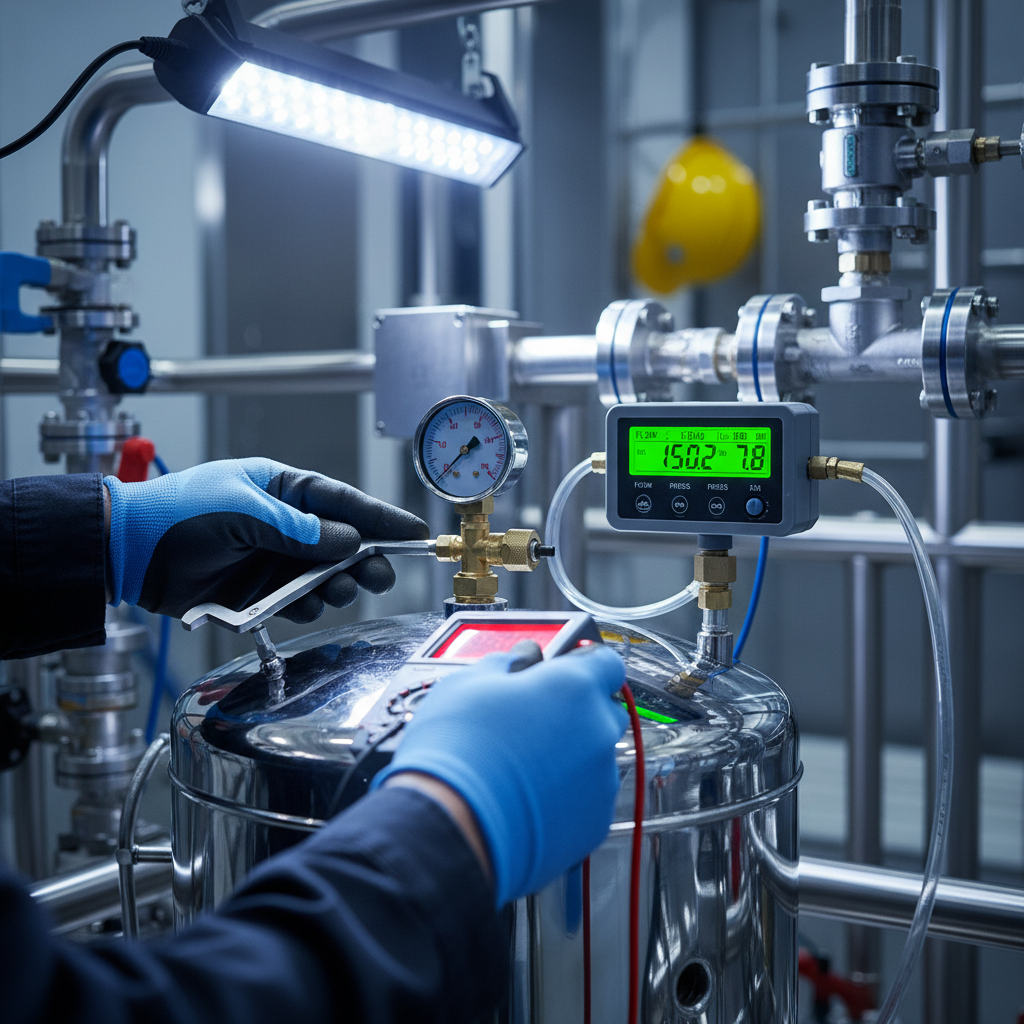
Basic DIY Calibration Techniques
There are several straightforward DIY calibration techniques you can employ for everyday devices. For instance, calibrating a kitchen scale might involve using known weights, such as a 1 kg bag of sugar. Adjust the scale until it reads the correct weight, ensuring that your measurements in future recipes are precise.
Another common DIY calibration task is adjusting a thermostat. If you suspect your thermostat is off, you can compare its reading against a reliable indoor thermometer. Make small adjustments to the thermostat settings until both readings match. This simple step can help improve energy efficiency and comfort in your home.
When DIY Calibration Falls Short
While DIY calibration can be effective for basic tasks, there are situations where calling in the experts is essential. Complex equipment, such as industrial machinery or medical devices, requires precise calibration that typically involves specialized tools and expertise.
When dealing with high-stakes equipment, even a slight miscalibration can lead to significant consequences. In such cases, entrusting the task to professionals ensures your equipment is in top condition and minimizes the risk of costly errors.
Signs You Need a Professional
There are several indicators that suggest it’s time to call in the experts for calibration. If you notice inconsistent readings from your equipment despite repeated DIY calibration attempts, it’s a sign that professional intervention is needed.
Additionally, if your equipment has not been calibrated for an extended period, it’s wise to have a professional assessment. Regular calibration ensures that any drift in measurements is corrected, maintaining the accuracy and reliability of your instruments.
Choosing the Right Calibration Service
When selecting a professional calibration service, consider their reputation and expertise in handling your specific type of equipment. Look for services that are certified and have a proven track record of delivering accurate and reliable calibration.
Another important factor is the turnaround time. Depending on the critical nature of your equipment, you may need a service that offers quick calibration without compromising quality. Researching and choosing the right service can save you time and ensure your equipment’s optimal performance.
Conclusion
DIY calibration techniques offer a convenient option for maintaining the accuracy of everyday instruments. However, knowing when to call in the professionals is crucial for more complex equipment and high-precision requirements. Balancing DIY efforts with professional expertise ensures that your tools and devices provide reliable and accurate measurements over time.
By understanding the limits of DIY calibration and recognizing the signs that professional help is needed, you can maintain the performance and longevity of your equipment, ensuring that it continues to meet your needs effectively.