Debunking Myths: Common Misconceptions About Lab Equipment Calibration


Understanding Calibration: A Critical Process
Calibration of lab equipment is an essential process that ensures accuracy and reliability in scientific measurements. However, there are many misconceptions surrounding this practice. In this post, we aim to debunk some of these myths and shed light on the importance of proper calibration.
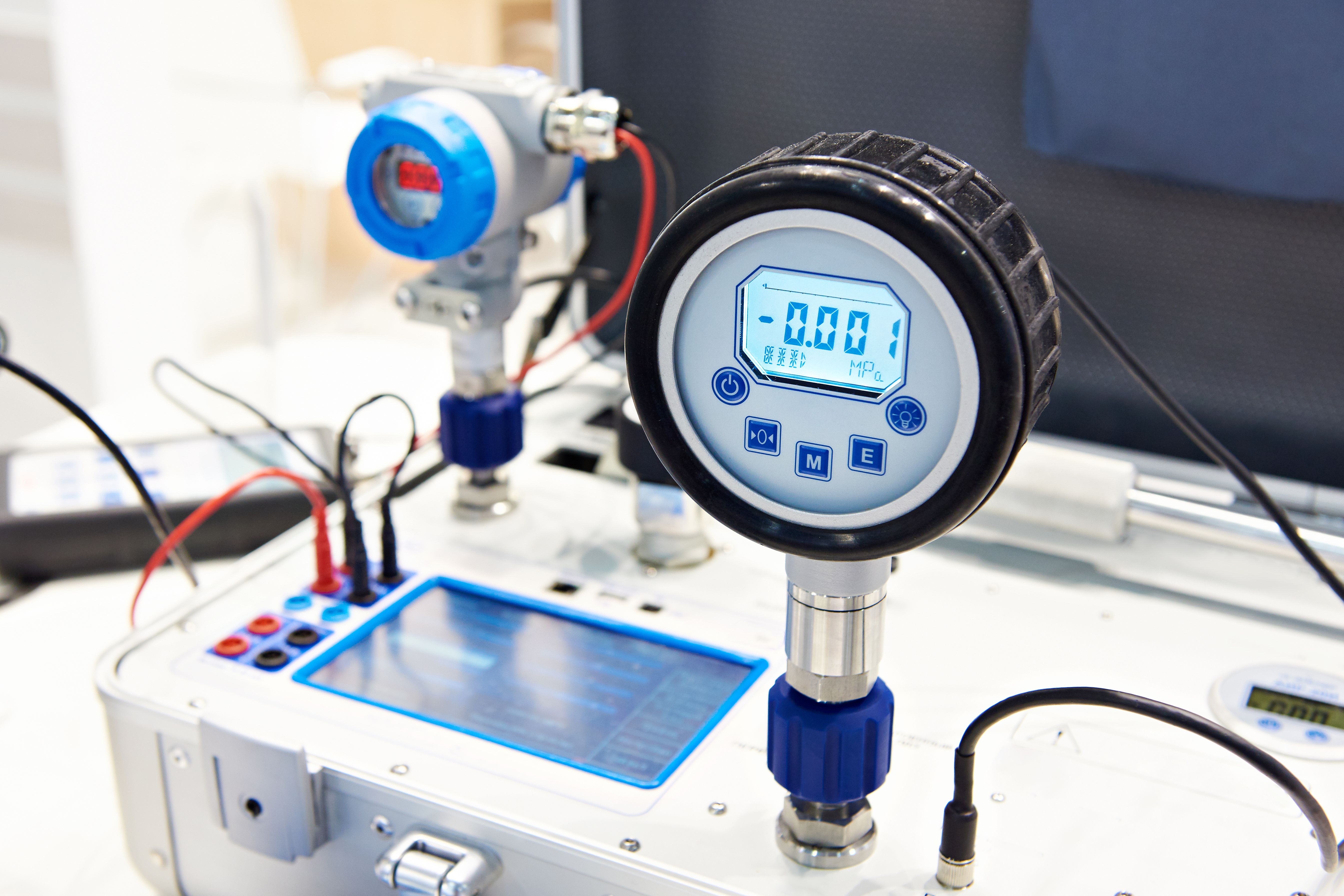
Myth 1: Calibration Is Only Necessary for New Equipment
One common misconception is that only new equipment requires calibration. In reality, regular calibration is crucial for all equipment, regardless of age. Over time, normal wear and environmental factors can affect the accuracy of lab instruments. Routine calibration helps maintain precision and extends the life of the equipment.
Myth 2: Calibration Is a One-Time Process
Some believe that calibration is a one-time event. This couldn't be further from the truth. Regular calibration schedules are important to ensure ongoing accuracy. Depending on the equipment and its usage, calibration might be required monthly, quarterly, or annually. Following the manufacturer's recommendations and industry standards is key.
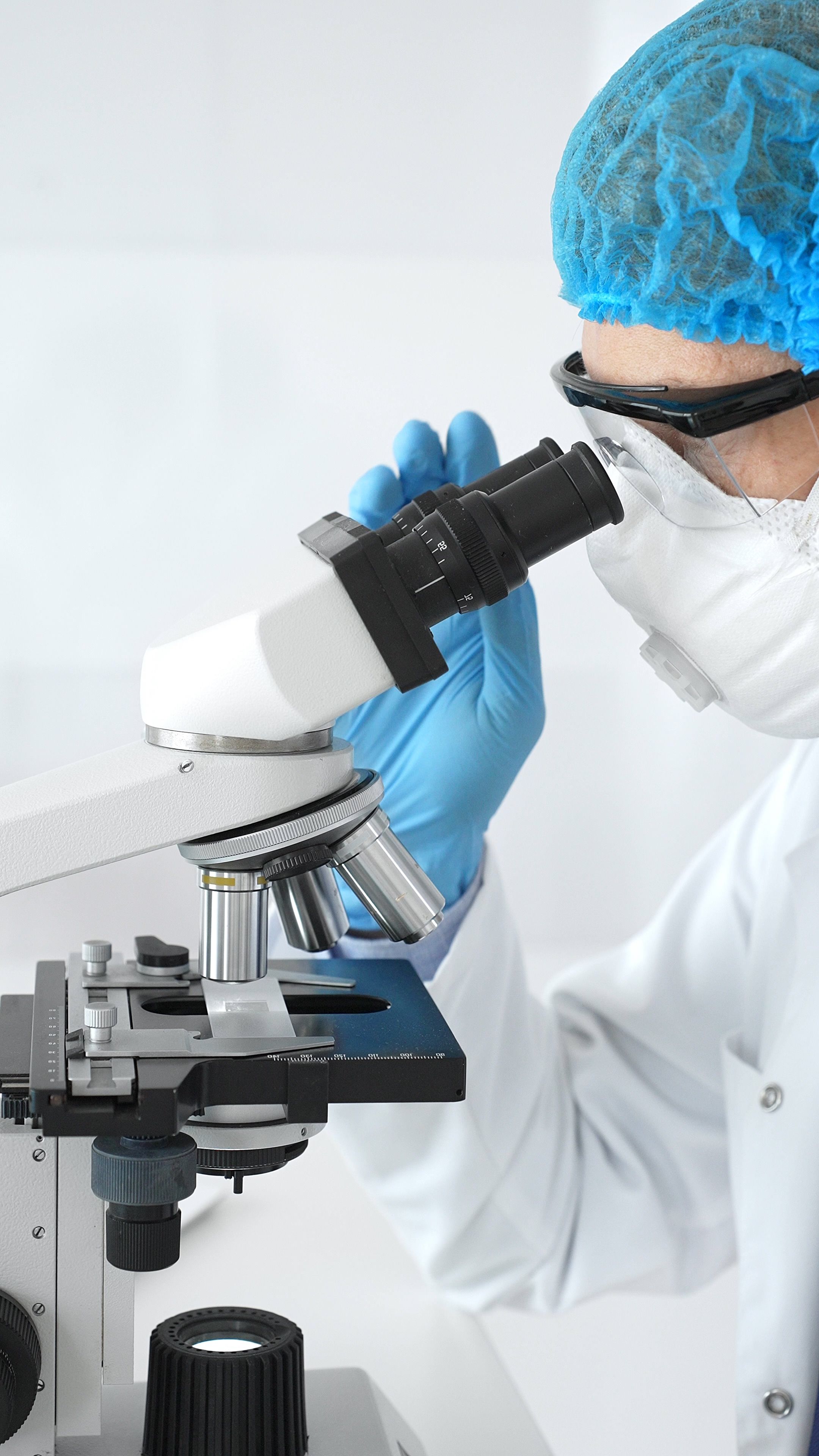
The Role of Calibration in Quality Assurance
Calibration plays a vital role in maintaining quality assurance across various industries. It ensures that lab results are consistent and reliable, which is crucial for decision-making processes. This is especially important in fields like pharmaceuticals, healthcare, and environmental science, where accuracy can have significant impacts.
Myth 3: Calibration Is Too Expensive
While some may view calibration as a costly procedure, the benefits far outweigh the expenses. Investing in regular calibration helps prevent costly errors, product recalls, and potential safety hazards. In the long run, it saves money by reducing the risk of inaccurate readings and equipment failures.

Myth 4: Any Technician Can Perform Calibration
Another myth is that anyone with technical skills can perform calibration. However, calibration requires specialized knowledge and expertise. It should be conducted by trained professionals who understand the nuances of each piece of equipment. This ensures that the calibration process is thorough and accurate.
Conclusion: Embracing Accurate Calibration
By debunking these myths, we hope to emphasize the importance of regular and professional calibration of lab equipment. Embracing accurate calibration practices not only enhances the reliability of scientific data but also contributes to overall safety and efficiency in the laboratory environment.
In summary, understanding and implementing proper calibration procedures is essential for maintaining the integrity and functionality of lab equipment. It's an investment in the quality and reliability of scientific work.