Avoiding Common Pitfalls in Lab Equipment Purchase and Maintenance


Understanding Your Needs
Purchasing lab equipment is a significant investment, and ensuring you select the right tools is crucial. Begin by understanding the specific needs of your lab. Consider the types of experiments you'll conduct and the precision required. This approach will help you avoid unnecessary purchases and focus on what truly benefits your operations.
Engaging with lab technicians and scientists can provide valuable insights into the essential features and capabilities required. Their input can guide you in making informed decisions, ultimately optimizing both performance and cost-efficiency.

Evaluating Quality Over Price
While budget constraints are a reality, opting for cheaper equipment can lead to higher costs in the long run. Prioritize quality over price by researching reputable manufacturers known for durable and reliable products. Investing in robust equipment minimizes the risk of frequent breakdowns and replacements.
It's also wise to read reviews and request demonstrations if possible. Ensuring the equipment meets industry standards and certifications can further guarantee its reliability and safety.
Ensuring Proper Installation and Training
Once you've selected your equipment, proper installation is critical. Incorrect setup can lead to malfunction or inaccurate results. Consider hiring professionals for installation to ensure compliance with safety regulations and optimal performance.
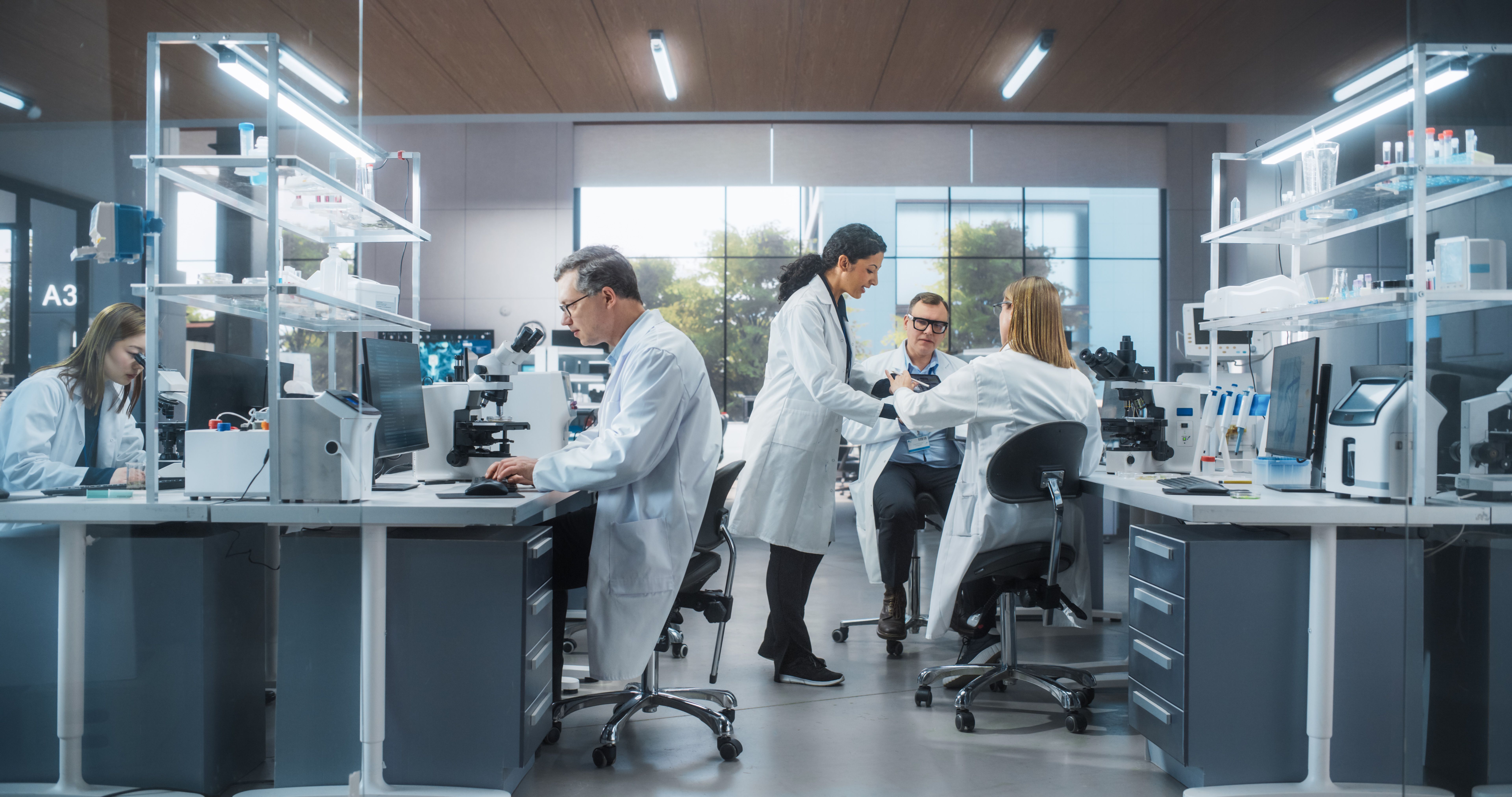
Training your staff on the new equipment is equally important. Providing comprehensive training sessions can reduce user errors and improve overall efficiency. Make sure to include both theoretical and hands-on training for the best results.
Regular Maintenance and Servicing
Maintenance is key to extending the lifespan of your lab equipment. Establish a regular servicing schedule to keep everything running smoothly. Routine checks can identify potential issues before they become significant problems.
Create a maintenance log to track all service activities, including repairs and part replacements. This record will be invaluable for future reference and can help in making decisions about equipment upgrades or replacements.
Building Relationships with Suppliers
Developing a strong relationship with your suppliers can be beneficial. They can provide valuable support, updates on new technologies, and assistance during troubleshooting. A reliable supplier will also offer transparent warranties and after-sales service.
Engage your suppliers in discussions about your lab's future needs. Their expertise can guide you in planning for upcoming trends and technological advancements.
Planning for Future Needs
As your lab grows, so will your equipment needs. Plan for scalability by selecting equipment that can adapt to future advancements. This foresight reduces the need for frequent replacements and ensures that your lab remains at the forefront of technology.
Incorporate flexibility into your purchasing strategy to accommodate evolving scientific demands, ensuring that your lab remains both innovative and efficient.